A closer look
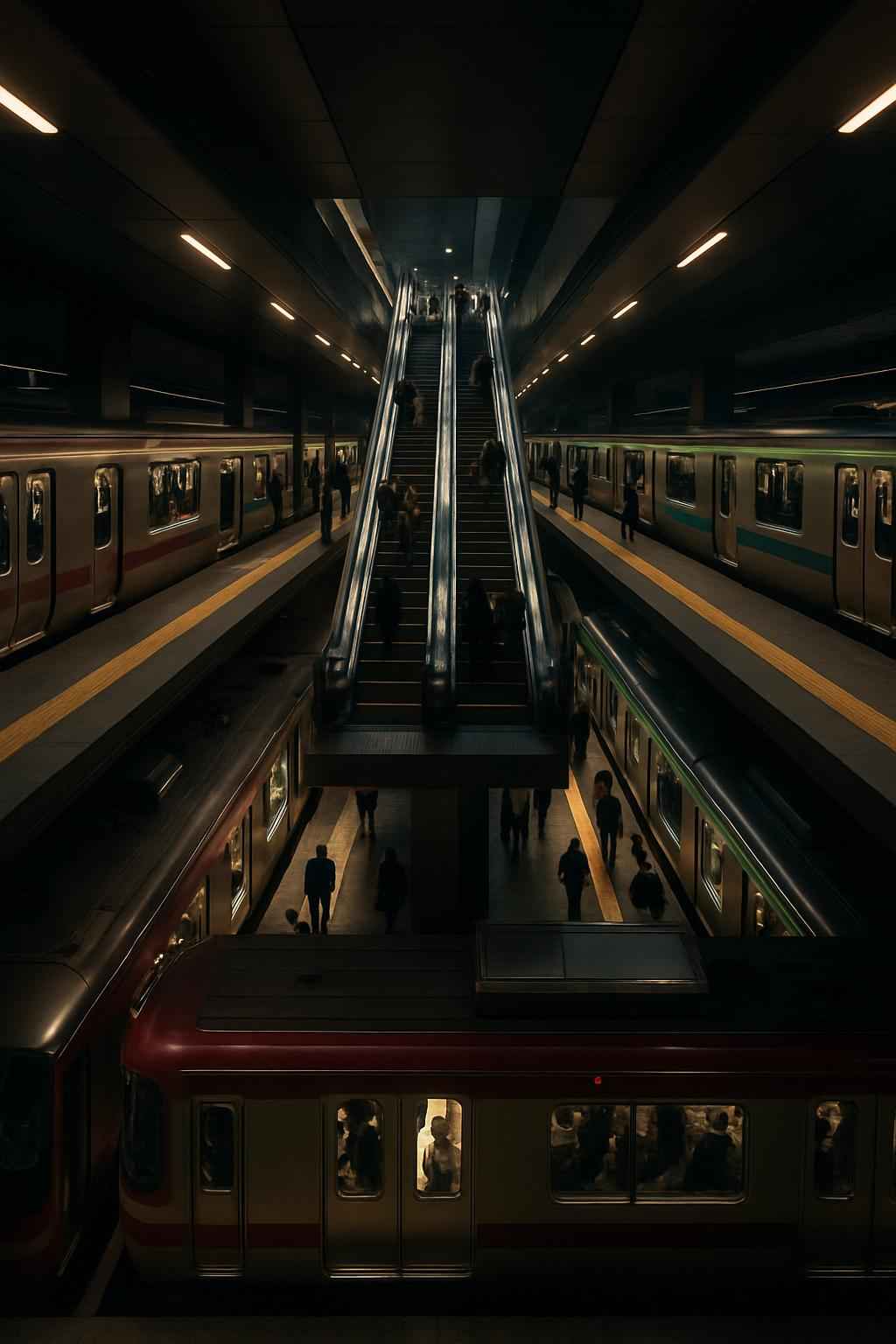
Embedded beneath Tokyo’s Shinjuku Station lies a marvel few commuters realize — a labyrinthine multilevel rail interchange moving 3.6 million people daily with minimal delays. Engineers choreographed its platforms like a bloodstream: opposing flows, layered gravity-fed escalators, synchronized door openings. During peak hours, real-time AI sensors subtly adjust lighting and pace announcements to reduce perceived crowd stress. The secret is psychological design, not brute strength — gentle cues guiding human flow like current around rock. The Japanese idea of space efficiency isn’t smaller spaces, but smarter rhythms. Every train departure is choreography disguised as routine.