A weapon that had to get dangerously close
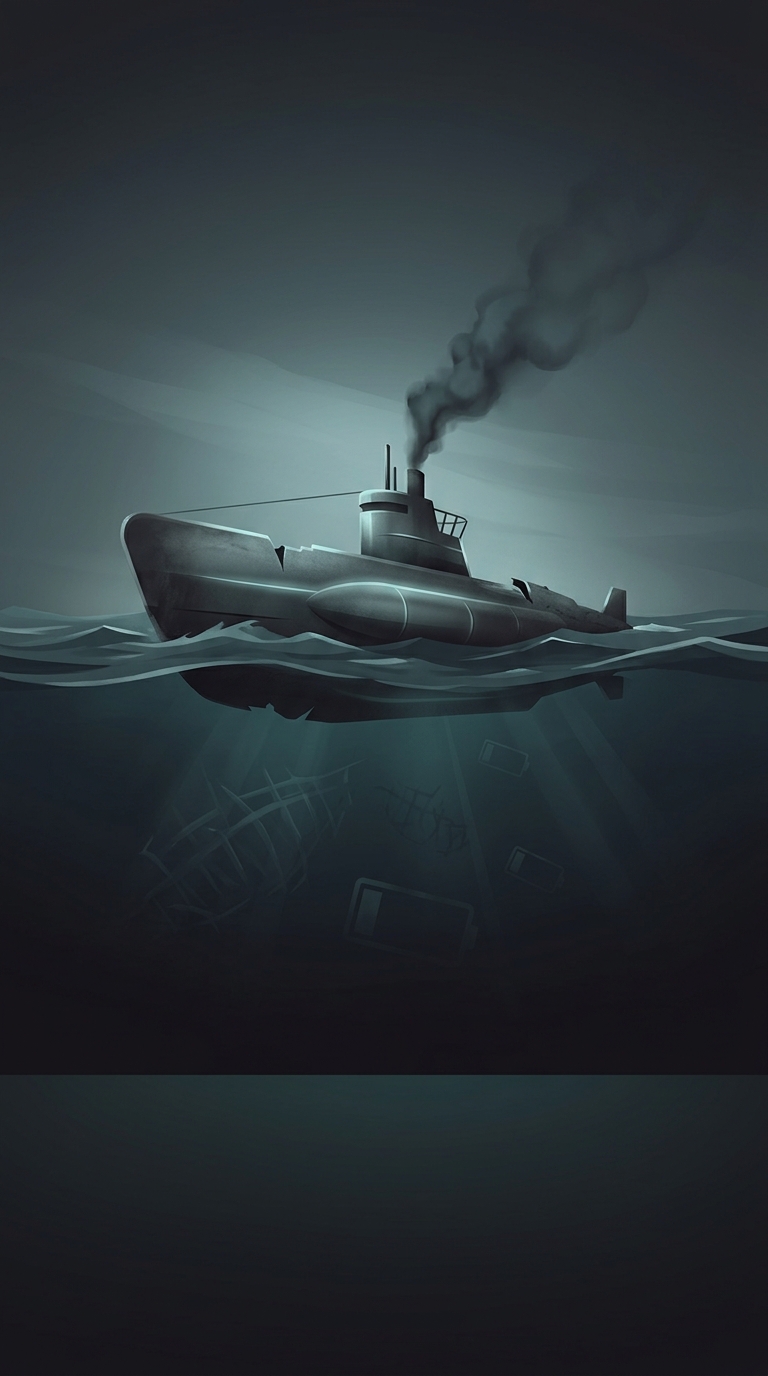
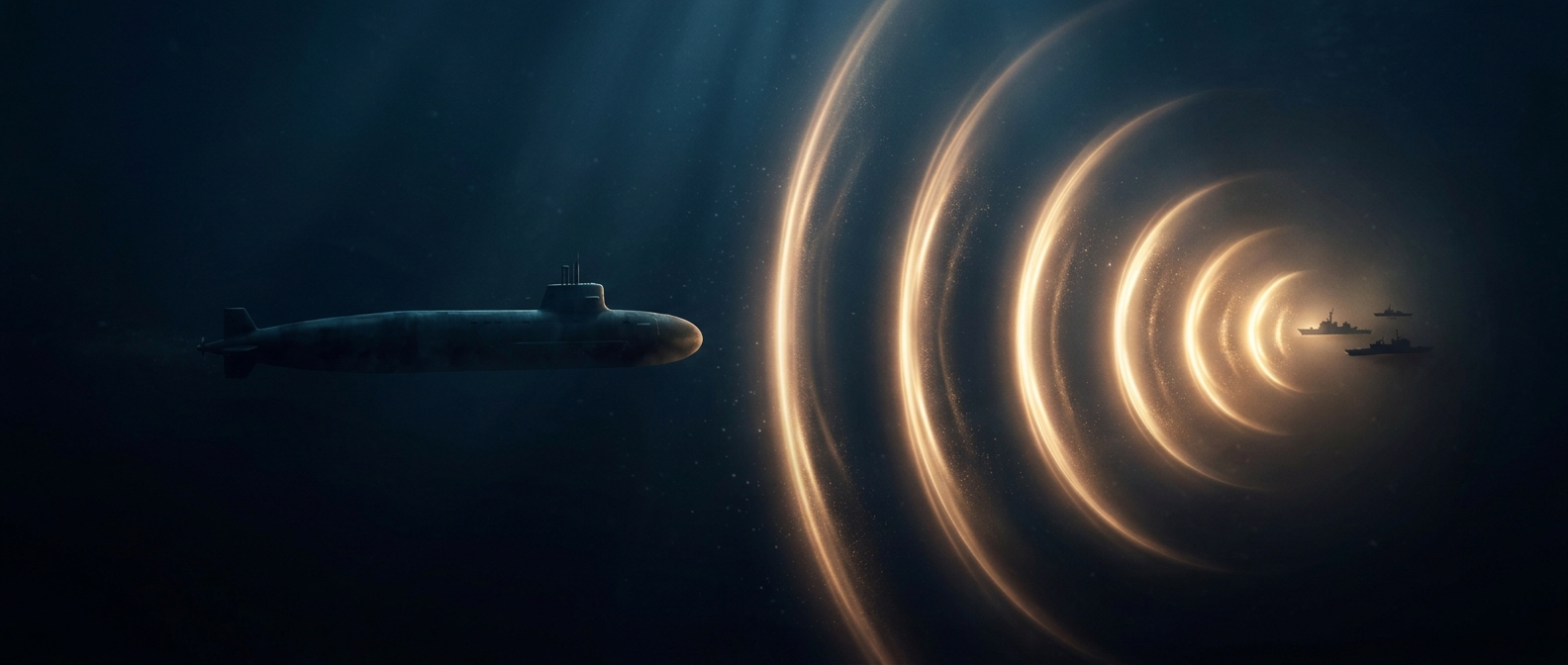
The H.L. Hunley was a hand-powered submarine built to attack a ship at anchor. Its weapon was a spar torpedo: an explosive charge fixed to a long pole at the bow. To use it, the submarine had to approach within a few yards, drive the charge against the target, and retreat before the blast and flooding could endanger the crew.
That design traded distance for simplicity. The Hunley had no engine to move it quickly away, and no system to replenish the air inside its sealed hull. Eight men turned a crank connected to the propeller, supplying the muscle for both the approach and the escape.
The attack was only half the mission
In February 1864, the Hunley struck the Union vessel USS Housatonic off Charleston, South Carolina. The charge detonated, and the ship sank—the first time a submarine had sunk an enemy warship. But success depended on the crew making the return journey after an explosion in close quarters, with limited air and a slow, human-powered craft.
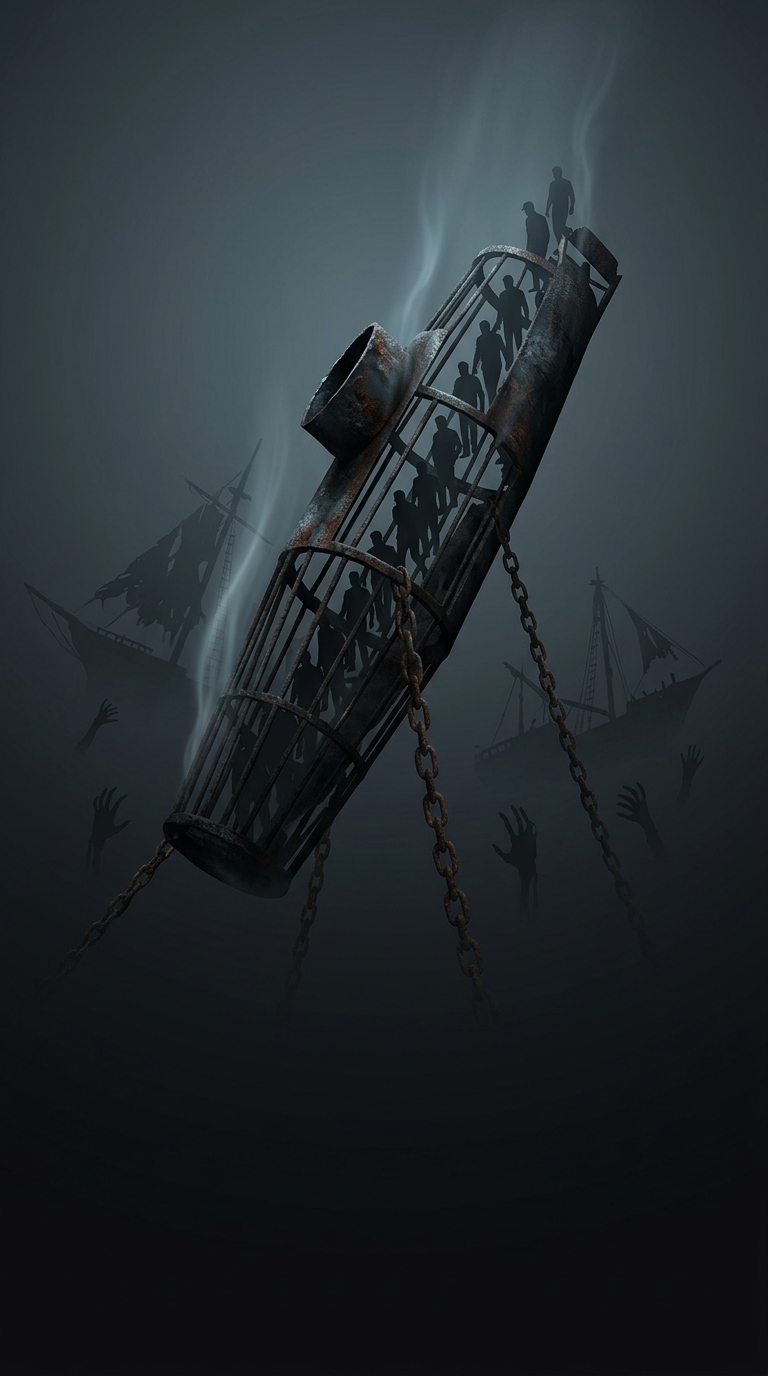
The Hunley never reached shore. It sank with all eight men aboard, though exactly why remains uncertain. The blast, damage to the submarine, difficult conditions, or some combination may have played a role; the attack’s success alone cannot explain the crew’s deaths.
A weapon with no safe margin
The crucial weakness was built into the mission: the submarine had to come close enough to make its weapon effective, then rely on the same exhausted crew and crank to get away. The torpedo could destroy a much larger ship, but it could not make the trip home safer.