Why a Submarine Uses a Game Controller
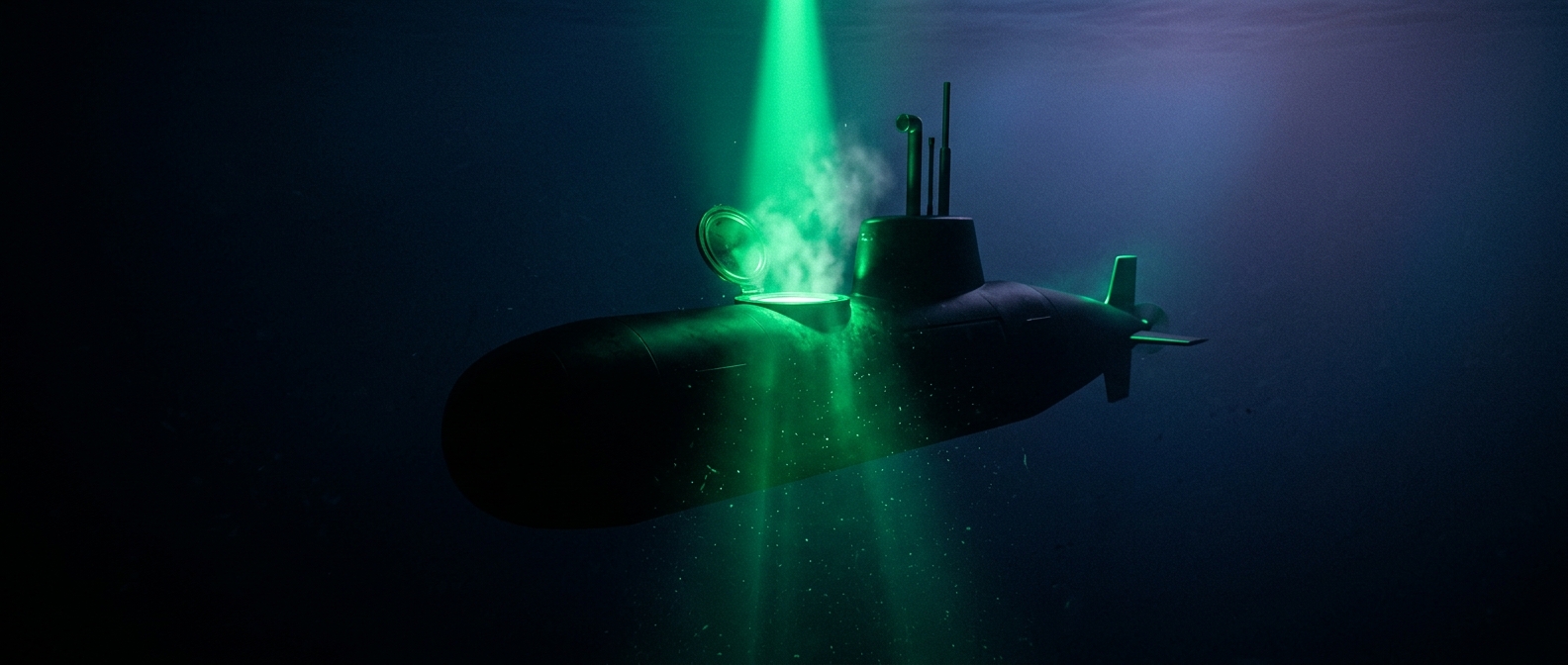
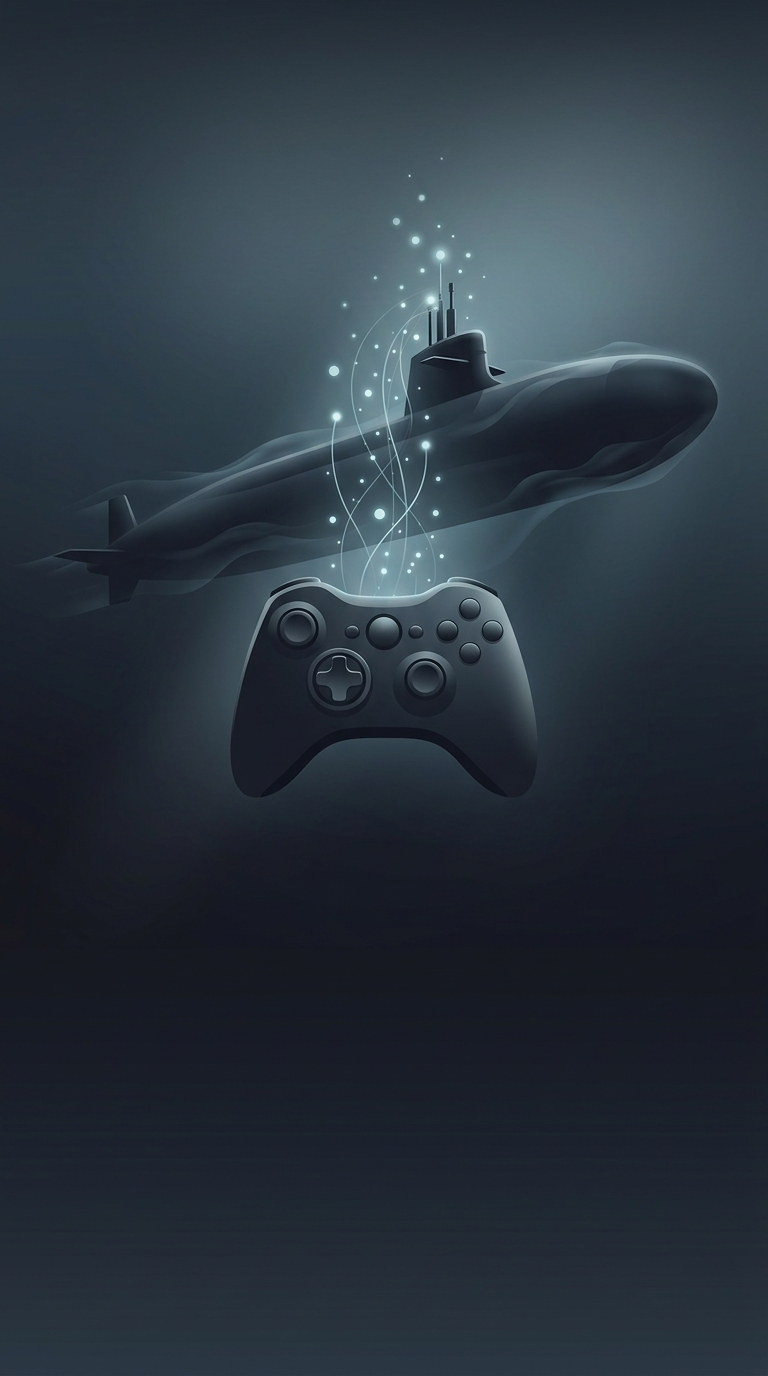
A Virginia-class submarine’s photonic mast does not rise as a viewing tube for an officer to put an eye to. Instead, cameras and other sensors at the top of the mast gather images and send them to displays inside the boat. Sailors can steer the mast’s view from there, using controls that feel more like a familiar hand-held gamepad than a bank of specialized switches.
That change reflects a broader shift in submarine design: the useful part of a periscope is the information it brings in, not the optical tube itself. Digital cameras let the crew look at a scene on screens, share the view, and use sensors beyond a simple visible-light sightline.
Familiar Controls, Practical Tradeoffs
The controller is an interface—a device that turns a person’s movements into commands for a machine. Its sticks and buttons let an operator point the mast and adjust what the sensors are looking at. Because many sailors already understand this kind of control, they can interact with it without learning an entirely unfamiliar arrangement of knobs and switches.
Using a commercially available controller also avoids the cost and delay of designing a one-off hand control. If a controller breaks, replacing it is simpler than sourcing a custom-built unit. The advantage is not that a gamepad makes the sensors more capable; it is that a straightforward, familiar control can operate complex equipment without adding unnecessary complexity for the person using it.
The Important Work Still Happens Elsewhere
The controller is only the human-facing part of the system. It does not make the mast’s cameras, processing, or submarine equipment ordinary consumer electronics. Those systems still have to function as part of a military vessel; the gamepad simply provides a convenient way for a sailor to direct them.
That division is the memorable engineering choice: sophisticated sensing on the outside, familiar controls on the inside. A device designed for living-room play can help steer a submarine’s view because the hardest technology is in what the mast sees—not in the shape of the operator’s hands.