The difficult part was keeping the oars working
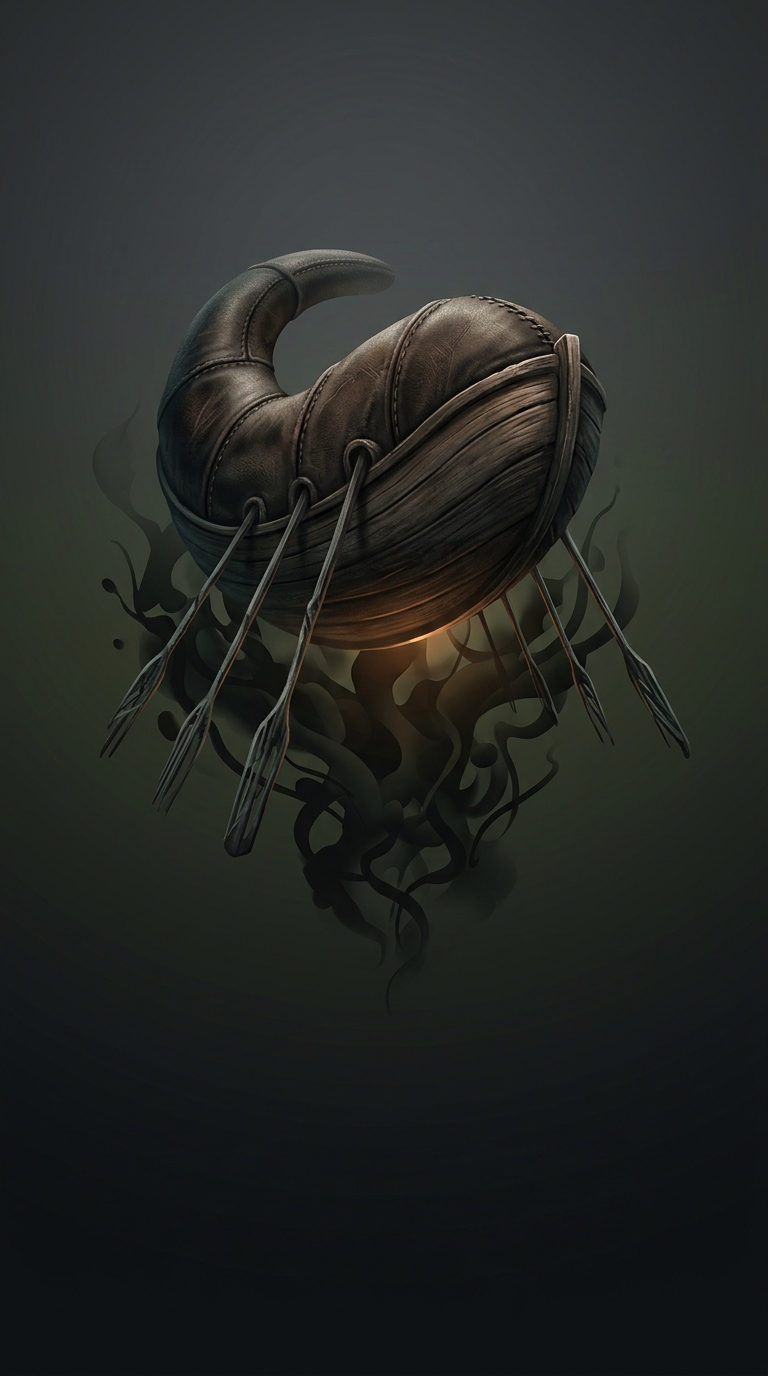
A boat can be made watertight by sealing its openings, but that creates a problem: ordinary oars need to pass through the hull. Drebbel’s solution was to fit leather sleeves around the oars where they crossed the boat’s sides. The leather closed the gaps while still flexing as the oars moved, so the rowers could keep pushing against the water without leaving an open leak into the cabin.
That small detail addressed a central challenge of underwater travel. A submerged craft needs both a sealed hull and a way to move; the oar openings were where those requirements collided. Rather than abandon familiar rowing, Drebbel adapted its connection to the boat.
From surface boat to underwater craft
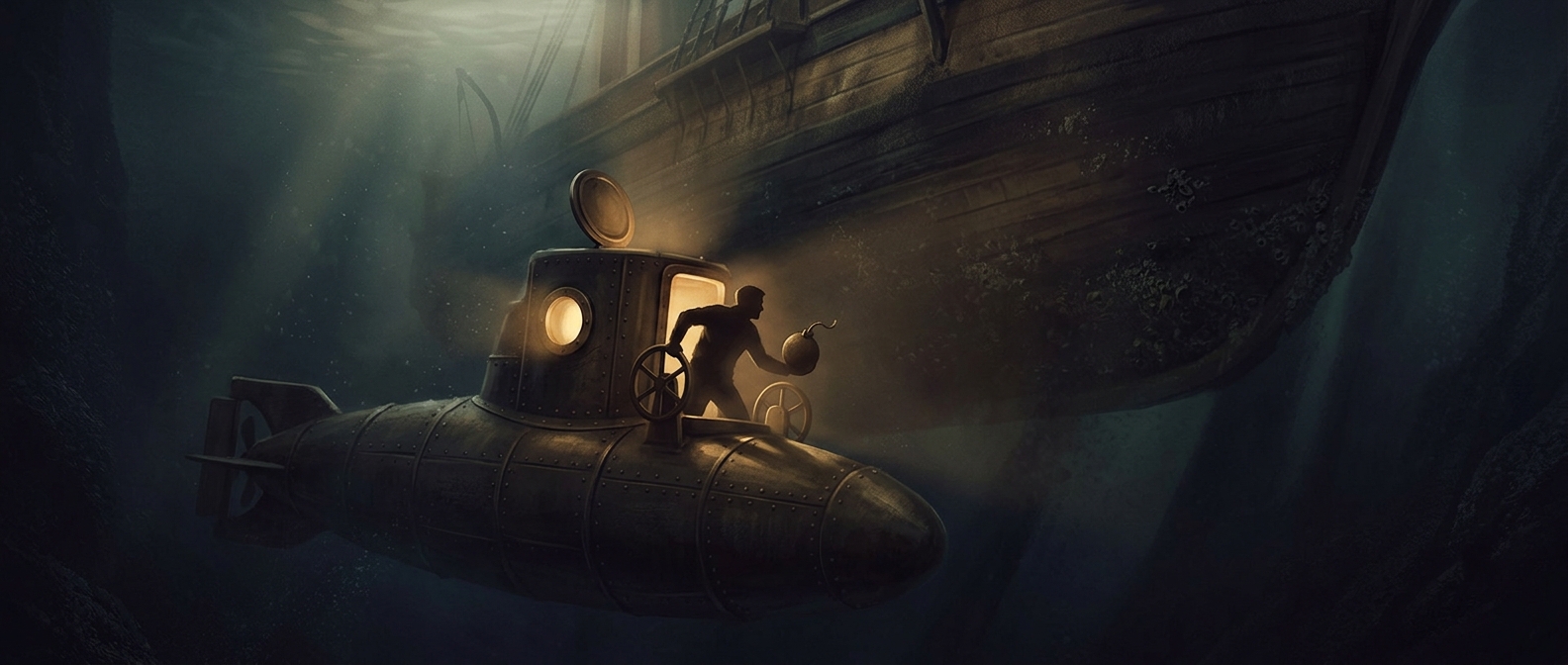
The vessel began with the recognizable logic of a rowboat, but submerging one required more than waterproofing. The hull had to remain enclosed as water pressed against it, and the craft had to be controlled at a depth where it could no longer simply float on the surface. Drebbel’s design is remembered as an early working attempt to combine those demands in a human-powered vessel.
The River Thames test made the idea tangible: this was not just a sealed container lowered beneath the water, but a craft that could be rowed while submerged. Its success depended on integrating the seal with the motion of the oars, not treating propulsion as an afterthought.
A practical fix with a long afterlife
Leather sleeves were not a modern mechanical seal, but they performed the essential job in a simple way: they moved with the oars while blocking the route water could take into the hull. That is the engineering insight behind the episode. Underwater vehicles still face the same basic tradeoff—moving parts must cross a pressure boundary without opening a path for water. Drebbel’s rowers could keep their day job because the boat’s vulnerable openings had been made flexible, not simply closed.