Why a car needs so many electrical paths
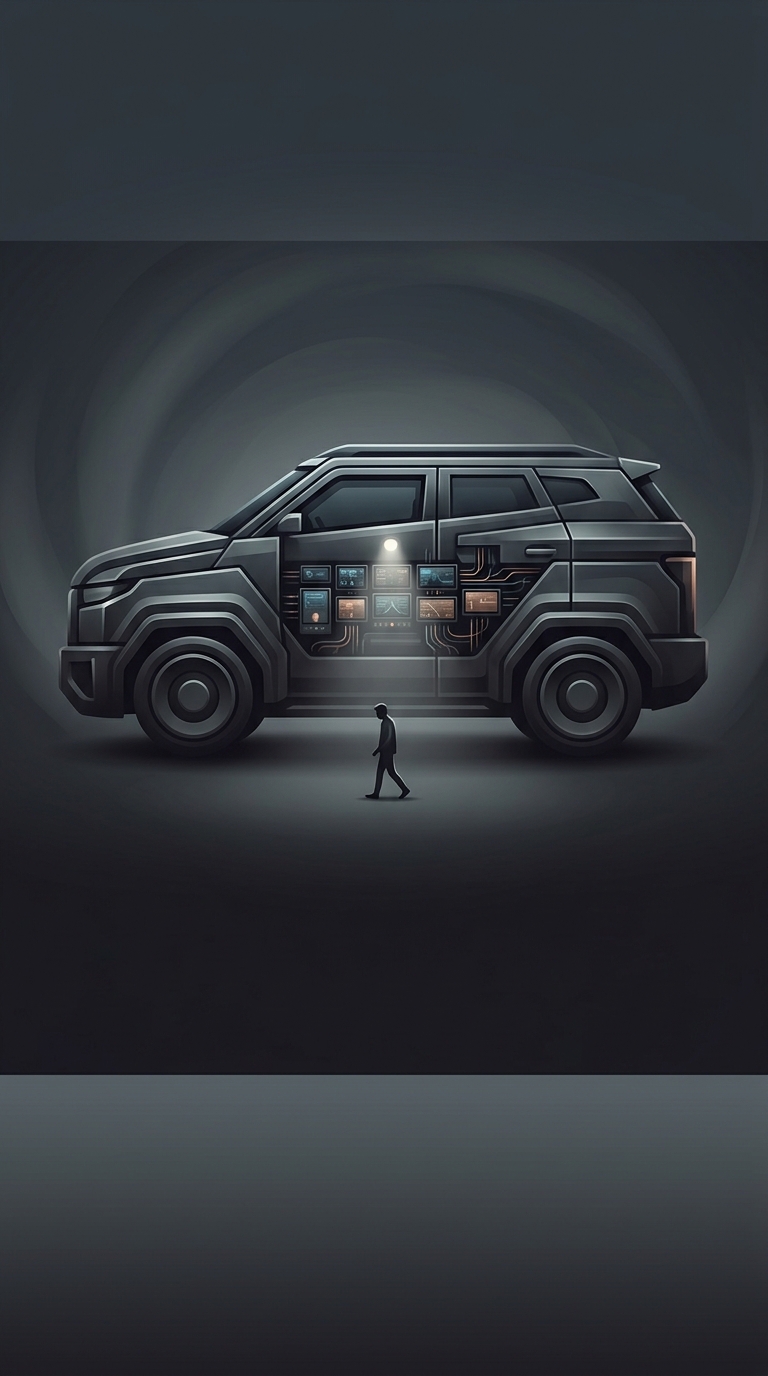
A modern car is a network of powered devices, not just an engine with a few lights. Heated seats draw current to warm their elements; screens and speakers need power and data connections; sensors send information to control systems that adjust functions such as braking, lighting, or climate control. Each device must be connected to a power source, a controller, or both.
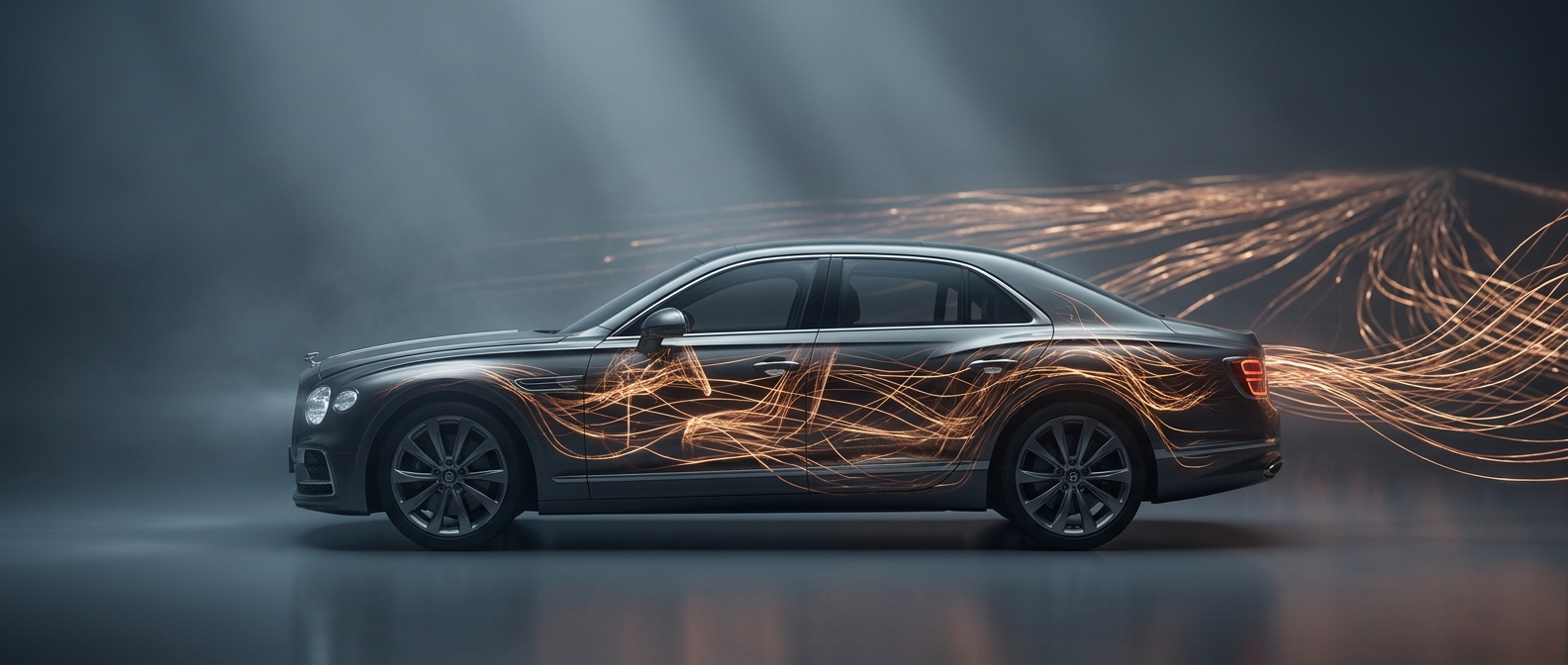
Those connections run through wire harnesses: bundled wires routed through the body, doors, dashboard, and cabin. A single harness may split into branches so one supply can serve several components, while separate wires carry signals between sensors and computers. The route has to reach moving parts such as doors and seats without snagging, rubbing through insulation, or interfering with other equipment.
The tradeoff behind the hidden network
Copper is used because it conducts electricity well and can be drawn into flexible wire. But every added circuit brings more conductor, insulation, connectors, and protective wrapping. Over a vehicle, the many short runs add up to substantial length—and mass. That weight is distributed through the car, often tucked behind trim where passengers never see it.
Automakers therefore face a packaging tradeoff: adding powered features improves comfort and capability, but it also means more wiring to fit, protect, and assemble. Engineers can group circuits into harnesses and use electronic modules to manage multiple functions, yet the devices still need physical connections to receive power and communicate.
The sleek interior is thus only the visible surface of a much denser system. A seat that warms at the touch of a button depends on a hidden route from the vehicle’s electrical supply, through the car’s wiring network, to the heating element beneath the upholstery.