Why Backup Wires Need Different Routes
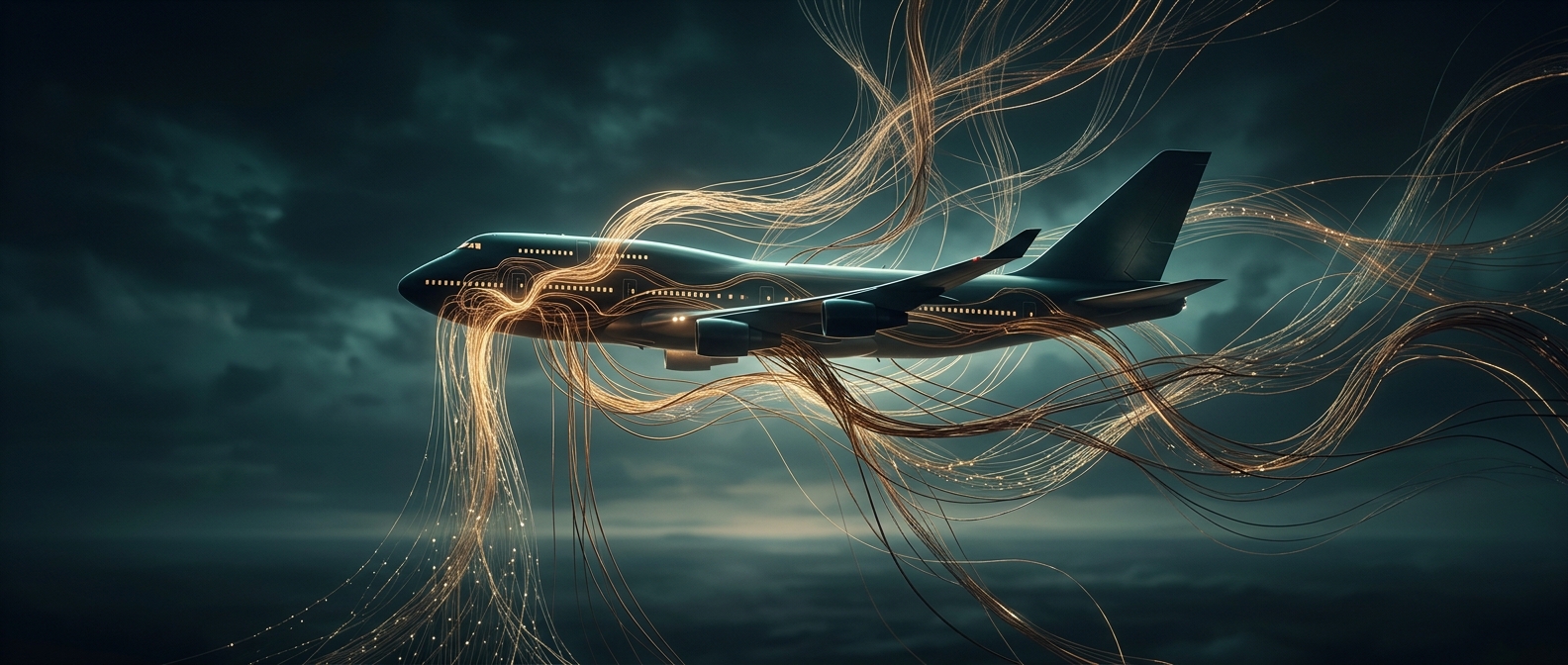
A backup is useful only if the same mishap cannot disable it along with the primary system. That is why aircraft designers consider not just how many electrical paths exist, but where those paths run. If two channels are bundled together, a cut or intense heat in that spot could take out both. Separating routes makes that shared failure less likely.
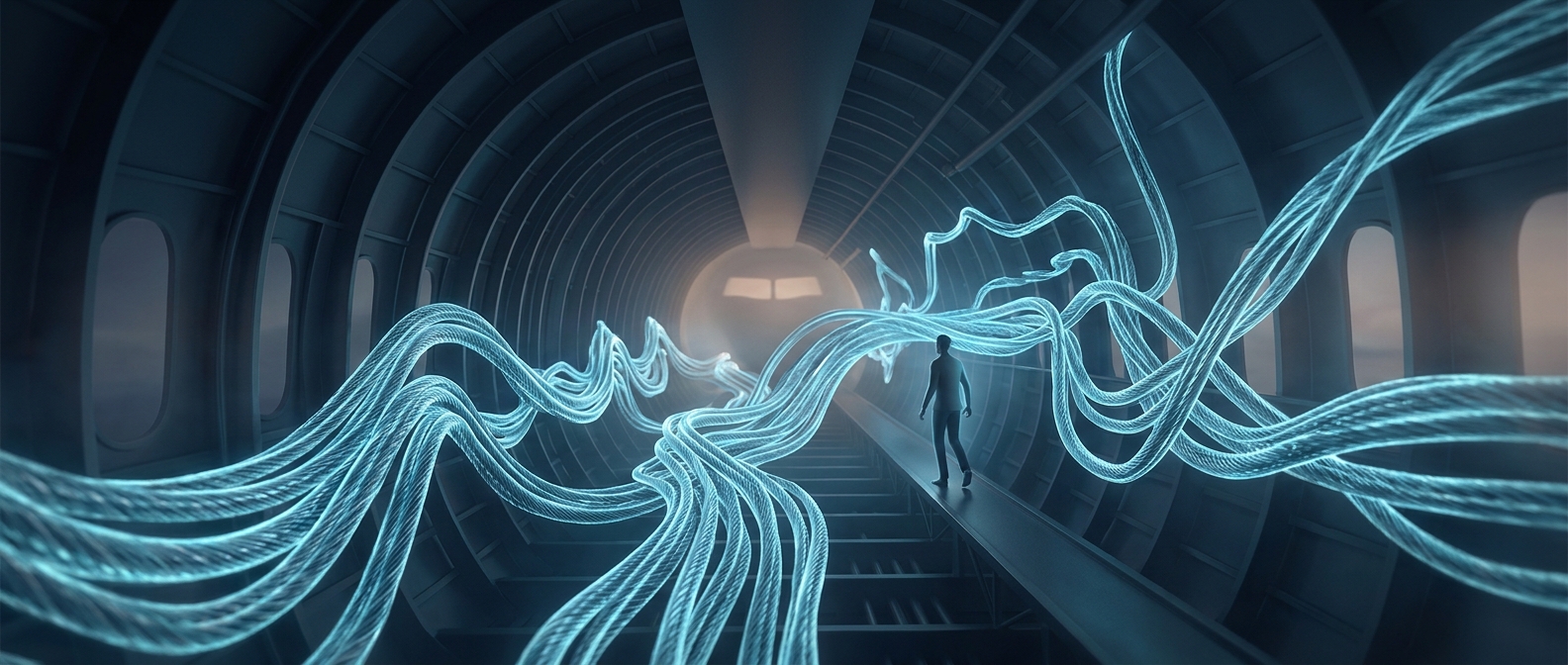
The idea is called physical separation. Depending on the aircraft and system, redundant circuits may follow different paths through the airframe, use separate connectors, or draw power from distinct sources. The details vary: not every wire is duplicated, and not every aircraft uses the same layout. The goal is to keep one local failure from becoming a failure of every channel serving a critical function.
Redundancy Is a System, Not Just Extra Wire
A wire carries signals or power between components; it does not decide what the aircraft should do. For a backup channel to help, the connected equipment and the system’s design must also allow another path to take over or continue operating. Engineers therefore consider the whole chain—power, wiring, sensors, computers, and controls—rather than counting spare cables alone.
Route separation also has costs. Longer or more complex paths can add weight and make installation, inspection, and repair more demanding. Designers have to balance those costs against the risk that one damaged area could affect multiple circuits. Maintenance crews then need to preserve the intended separation when wiring is repaired or replaced.
That is the practical point of routing: a damaged patch should remain a local problem, not become a single point of failure for several backups at once. The aircraft’s resilience depends partly on choices that are invisible to passengers, including which route a wire takes behind a panel.