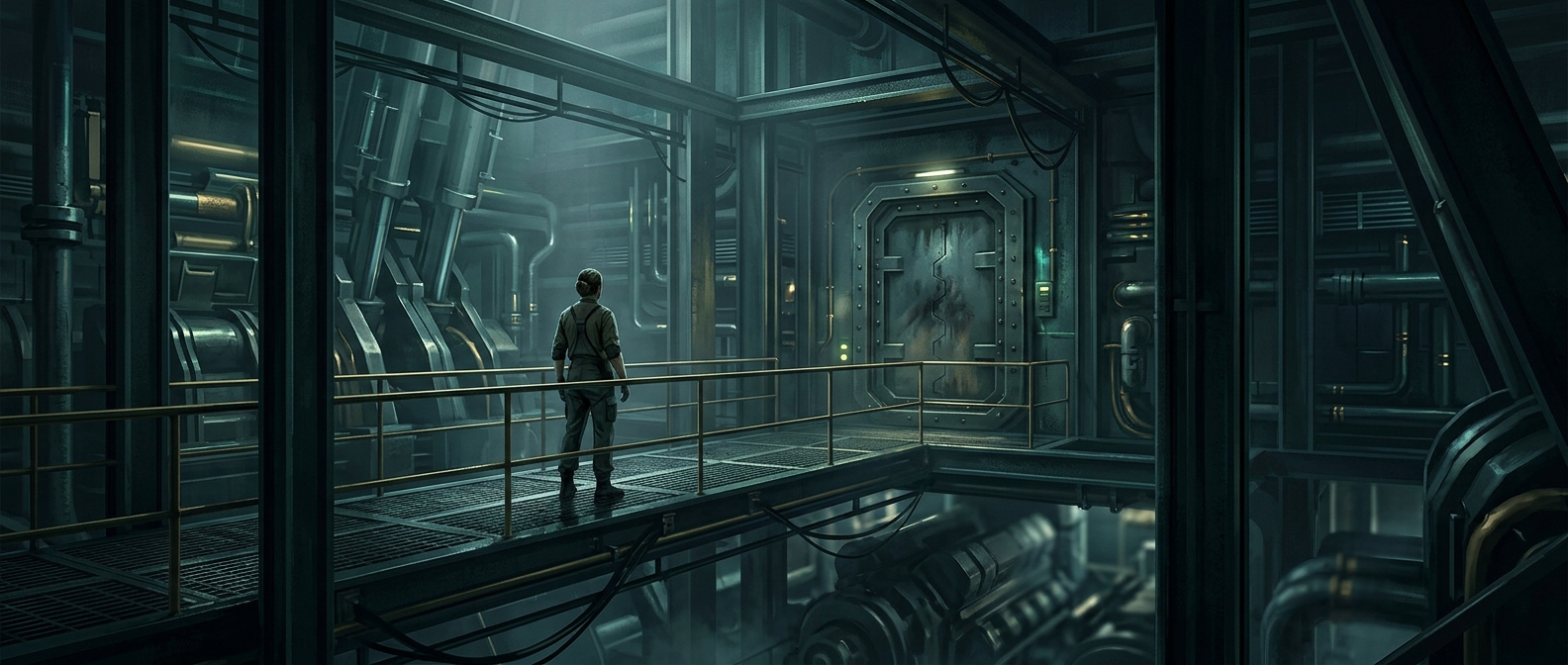
A sewer system packed into a moving hull
A ship cannot simply send every drain to one pipe. Toilets produce blackwater, which contains human waste; showers, sinks, and laundry produce graywater, which carries soap, oils, and other residues. These streams may be handled separately or combined, depending on the vessel’s design. In either case, pipes and tanks have to keep wastewater contained while the ship pitches, rolls, and operates far from shore.
Space is tight, so plumbing often relies on pumps and carefully controlled flow rather than the gravity-fed layout common in buildings. On many ships, vacuum toilets use a small amount of water and suction to move waste through narrow pipes. That saves both freshwater and tank capacity—important when thousands of passengers and crew are using the system every day.
Treatment has to work in stages
Before treated water can be discharged, a shipboard plant reduces what is in it. Screens remove larger solids; settling or flotation separates some material from the water. Biological treatment then uses microorganisms to consume dissolved waste, much as they do in a municipal sewage plant. Further filtering and disinfection can reduce remaining particles and disease-causing organisms.
The equipment has to fit within the vessel and keep working amid vibration, changing loads, and limited access for maintenance. Treatment also depends on steady operation: a sudden surge from heavy use can challenge a system sized for a particular flow. That makes monitoring and storage important, not just the treatment machinery itself.
Capacity shapes the whole operation
Wastewater is not the only demand on board: treatment competes for room, power, and fresh water with propulsion, kitchens, and other essential systems. Holding tanks provide a buffer when discharge is not permitted or practical, but they take up valuable space and eventually must be emptied or processed.
The result is a compact utility plant with a daily rhythm set by people: morning showers and repeated flushes create peaks that the system must absorb. A ship’s sewage problem is therefore not simply how to treat waste, but how to keep treatment, storage, and water use in balance inside a vessel that cannot pull over to call a sewer crew.