How a slanted plate stretches a projectile’s path
Armor’s listed thickness is measured straight through the plate, but a projectile approaching at an angle has to travel farther inside it. For a flat plate of the same material and physical thickness, that longer path can make penetration harder: the round encounters more steel before reaching the protected space. The effect is called line-of-sight thickness.
The angle can also make an impact less direct. Rather than striking squarely, a projectile may skid, deform, or be deflected. That is not guaranteed; the result depends on the projectile, the armor, and the exact impact angle. Sloping helps by changing the conditions of the hit, not by making the plate invulnerable.
Protection has to fit around the crew
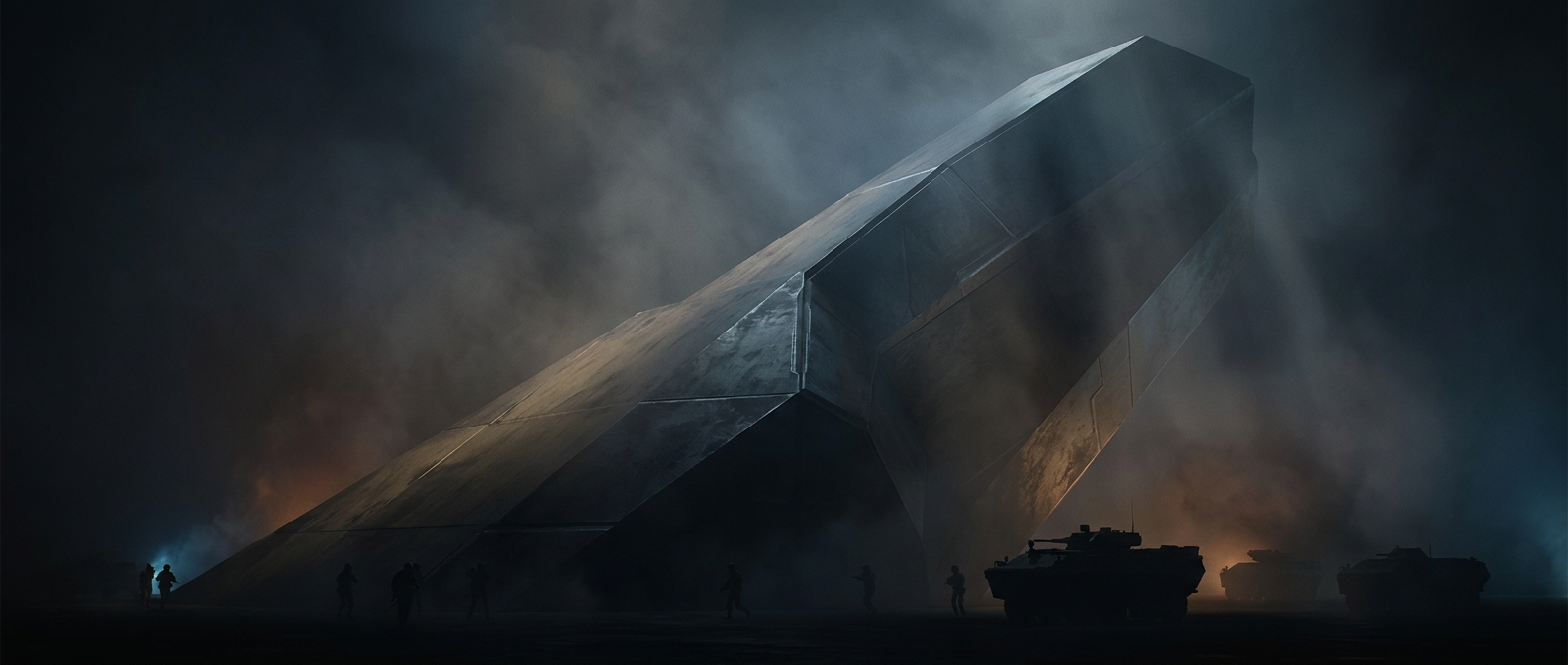
A vehicle designer cannot simply tilt every surface as far as possible. Steeper slopes can improve protection for some impacts, but they also alter the space inside the hull and the shape of the vehicle. Crew positions, equipment, hatches, and the need to carry people all compete for room. The armor’s weight must also be supported by the vehicle.
That makes sloping a practical engineering trade: use the plate’s orientation to gain protection without adding the same amount of material everywhere. Its benefit is most obvious in the hull’s broad surfaces, where a carefully chosen angle can make an ordinary sheet of armor act like a harder obstacle to a direct hit.