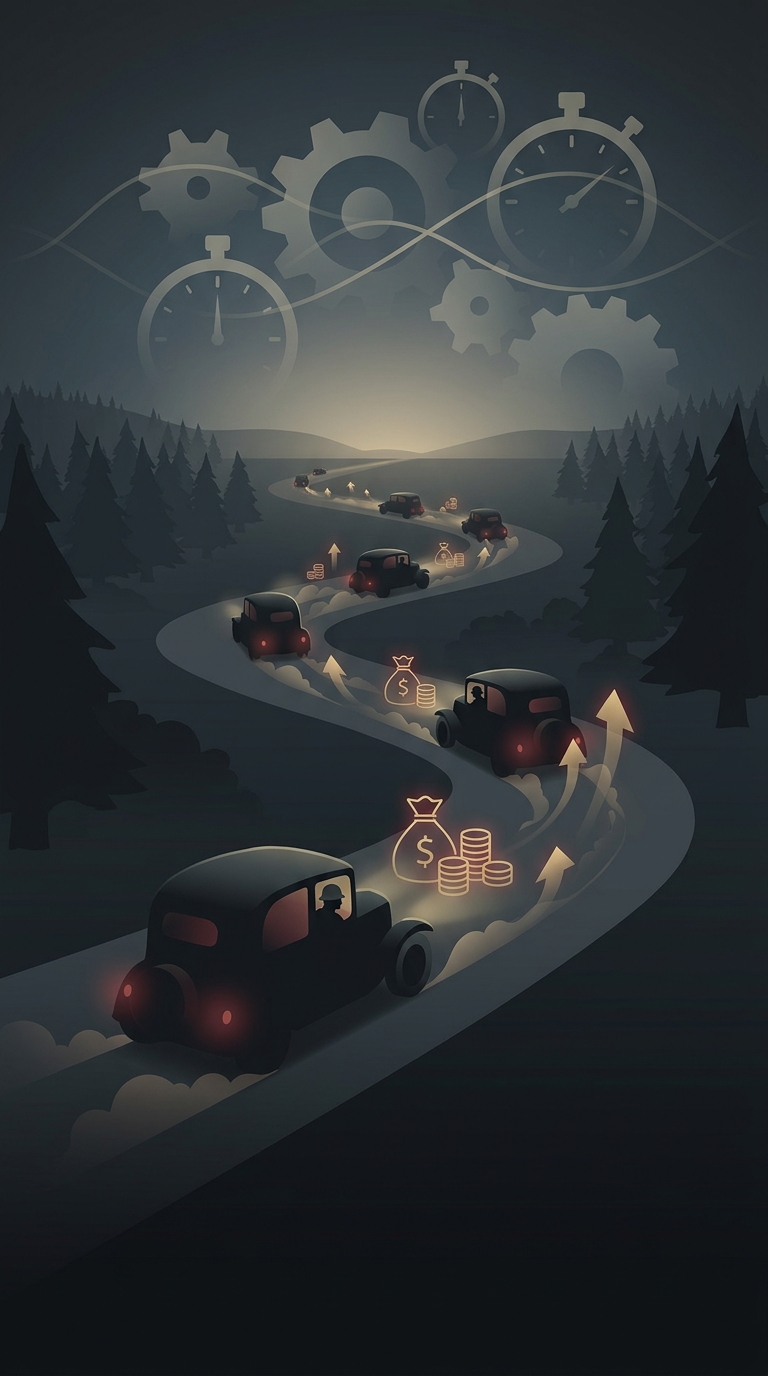
Why the army turned to Parisian taxis
In early September 1914, French forces were trying to halt the German advance east of Paris. The railways could move large formations, but they could not solve every last-mile problem: troops still had to reach the particular roads and villages where commanders needed them. As the Battle of the Marne unfolded, French leaders urgently reinforced the Sixth Army near the Ourcq River.
The taxis offered a way to move soldiers from Paris toward that threatened sector without waiting for a dedicated transport plan. Authorities gathered vehicles, loaded them with troops, and sent them out in groups. A taxi carried only a small squad, but hundreds of cabs could put men on the road quickly, using drivers and vehicles already in the city.
A useful shuttle, not a fleet of battle vehicles
The cars did not charge across the battlefield or replace the army’s trains. They carried soldiers toward the front, where the men could join their units and continue under military direction. The operation was a practical response to a sudden transport bottleneck: getting available troops from a major city to a nearby front while the larger mobilization was already in motion.
The meters remained part of the arrangement. They recorded the journeys, and the rides were treated as a charge rather than as free service. That small detail captures the operation’s improvised character: civilian transport was pressed into military use, but it still ran according to the ordinary machinery of a taxi fare.
The taxis were not, by themselves, what decided the Marne. Their enduring significance is more specific: in an emergency, a city’s everyday transport network could become a rapid link between the capital and a front that was shifting by the hour.