How a route becomes a mental sequence
A cab driver cannot simply memorize a line between two points. A useful route is a chain of decisions: which street to take, where it meets the next one, and what landmark confirms the turn. Candidates practise tracing these sequences until they can call them up from memory and explain them in order.
That method matters because London’s streets do not form a neat grid. A short distance on a map may involve several junctions and possible turns. Knowing the street names alone is not enough; the driver must connect them into a route that can be followed on the ground.
Why the test asks for journeys
A question naming two locations tests more than whether a candidate recognizes either place. It tests whether they can retrieve the links between them and keep the route coherent as they describe it. The landmarks act as checkpoints, helping organize a sprawling street network into memorable pieces.
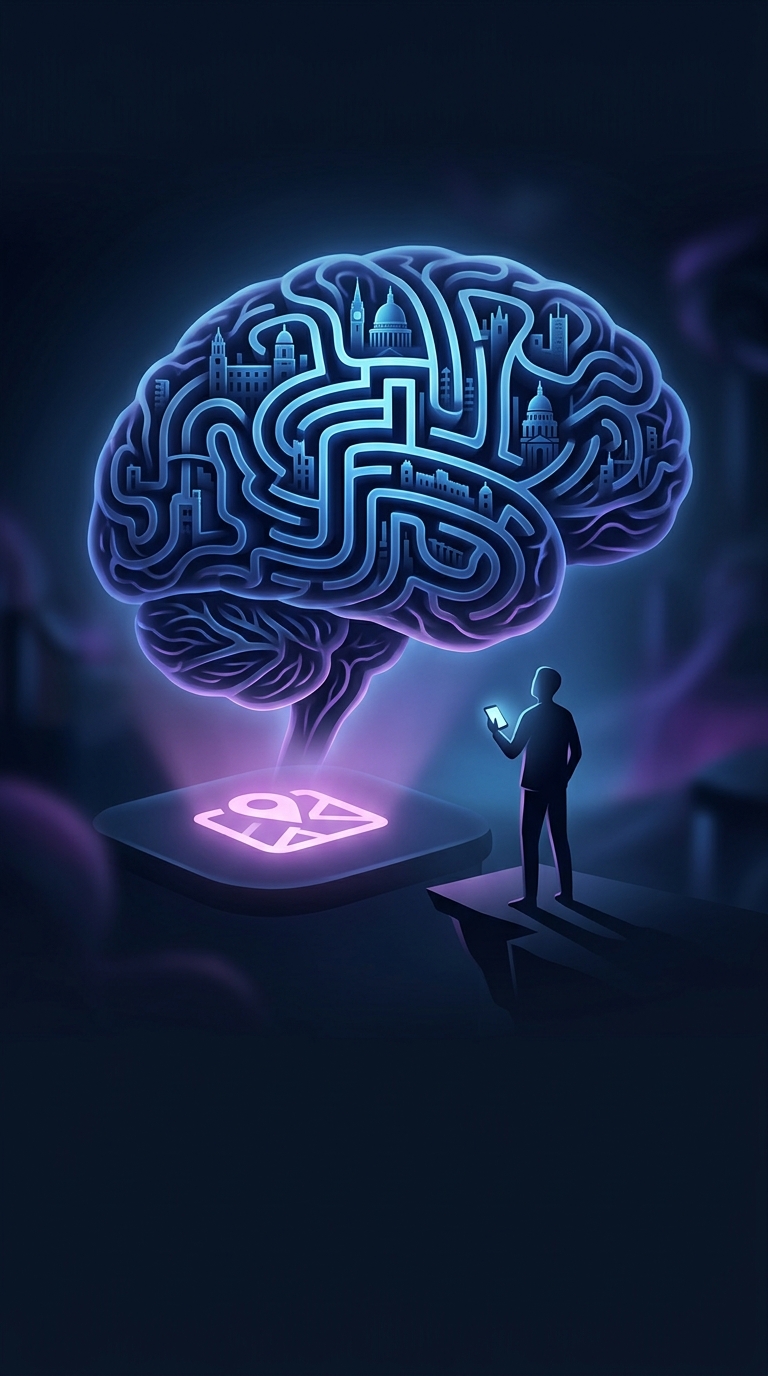
This is a different kind of navigation from following a moving dot on a screen. A device can suggest a route while displaying it; a driver who has learned the network can begin with the destination and produce the route from memory. That knowledge can also make it easier to understand how streets connect when a preferred path is unavailable.
A map built for use
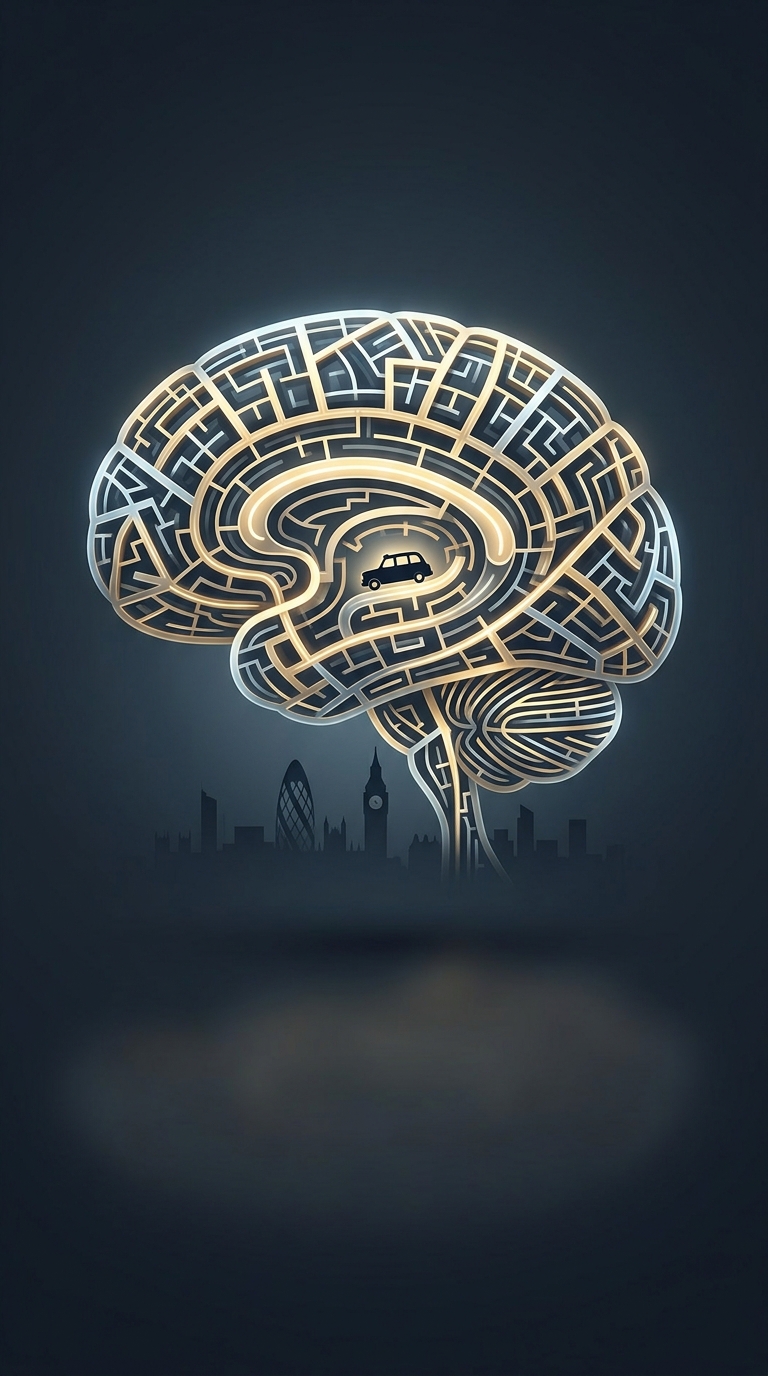
The years of preparation turn London from a collection of names into a practical mental model: streets are connected to one another, and landmarks help locate the connections. The striking consequence is not merely that a driver can recite a route. It is that the city’s layout has become something they can search in their head, one junction at a time.