The mental map behind a London taxi route
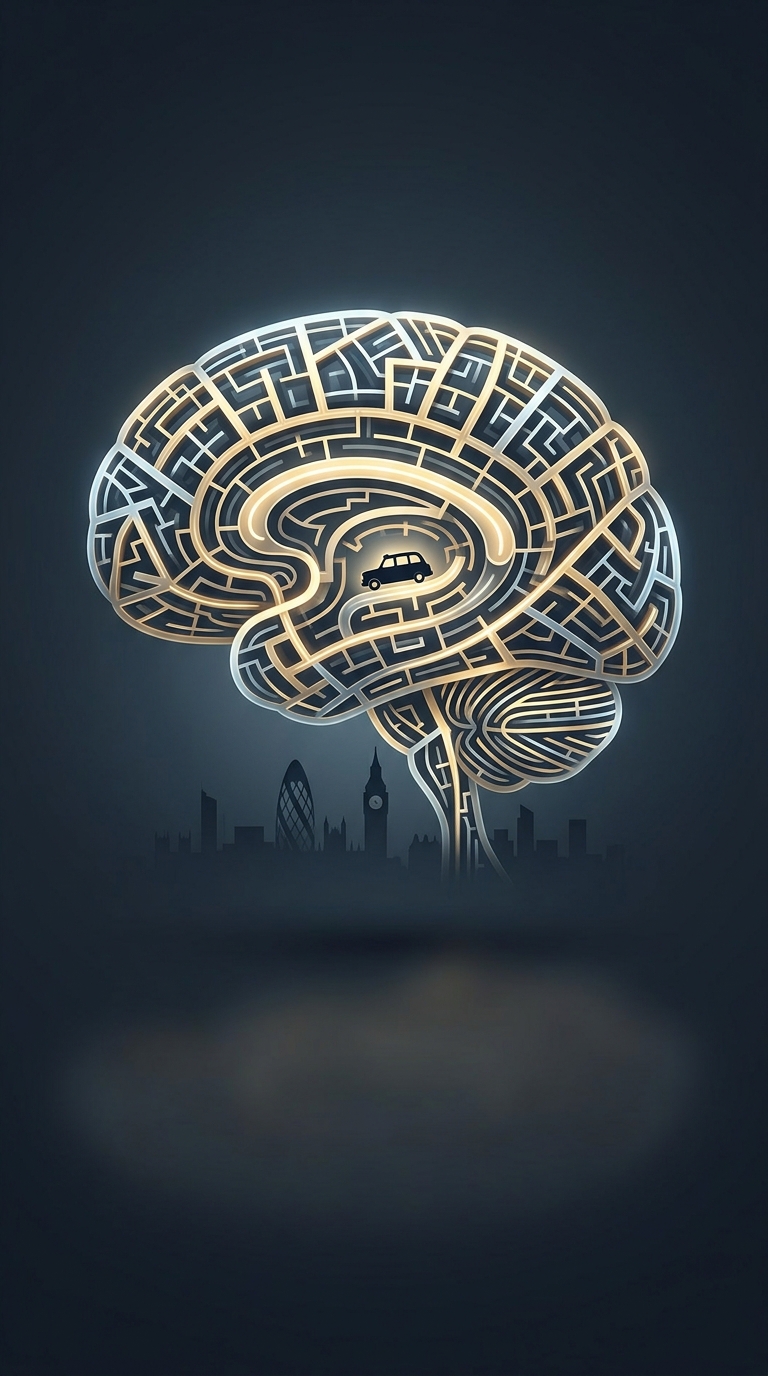
To earn a traditional London taxi licence, drivers train for a demanding exam known as the Knowledge. They must learn routes across the city and recall how to travel between locations, including the streets and landmarks that help connect one part of the map to another. The task is not simply memorizing a list of turns: a driver needs to picture how places fit together and work out a route when the starting point or destination changes.
That kind of practice repeatedly calls on the hippocampus, a brain region involved in forming memories and navigating through space. As drivers build a detailed mental map, the brain adapts to the work. Research comparing taxi drivers’ brains with those of other people has found differences in the hippocampus, including a larger posterior portion in experienced drivers. Changes have also been observed as trainees progress through their studies, consistent with the idea that intensive navigation practice helps shape the brain.
Practice changes what the brain is trained to do
The adaptation is not a new navigation organ appearing overnight. The brain is plastic: frequently used skills can alter the structure and organization of the networks that support them. Repeatedly retrieving routes and landmarks gives those networks sustained practice, much as rehearsing a movement strengthens the ability to perform it.
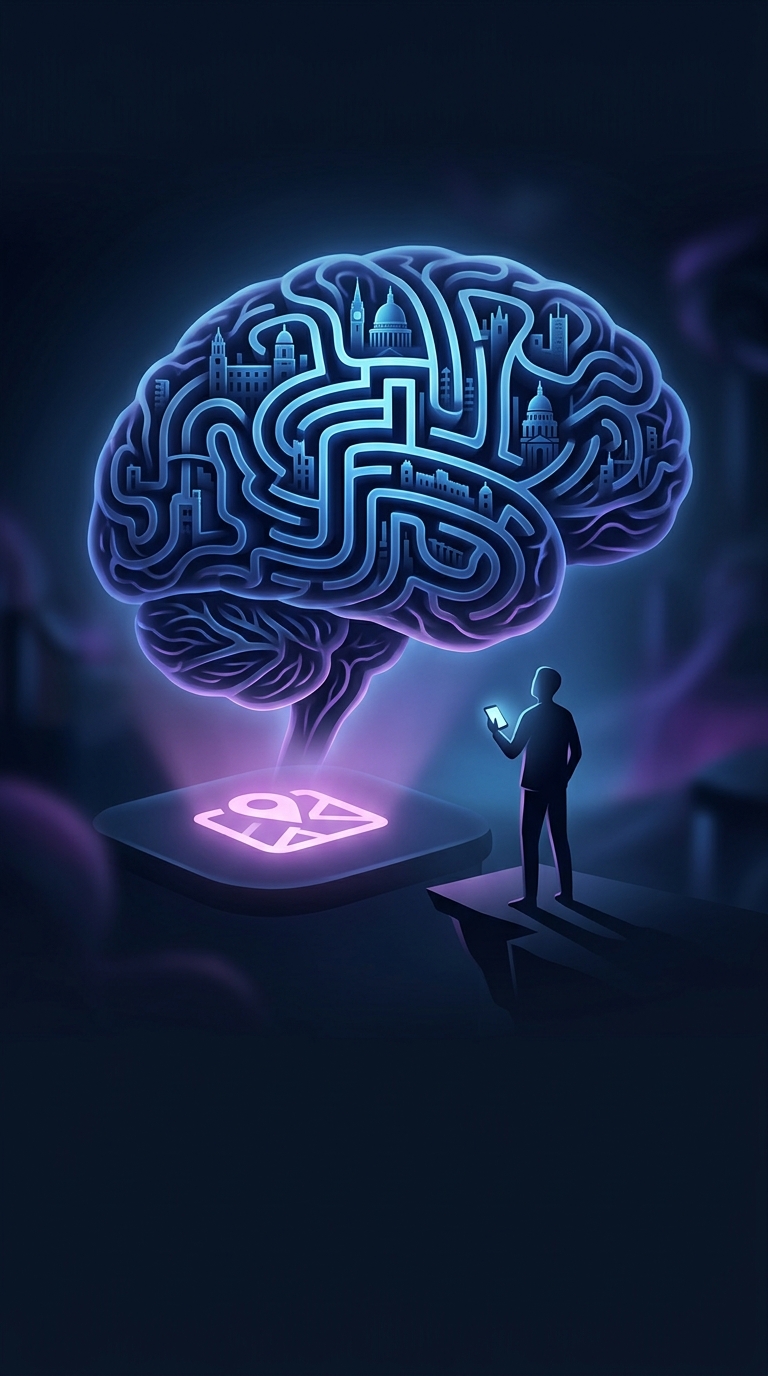
A well-trained driver can use that internal map to choose a route, adjust when a road is blocked, or navigate without following a device’s turn-by-turn prompts. GPS has different strengths: it can draw on a vast digital map and update directions as conditions change. The comparison is not that human memory always beats software, but that years of studying London train the brain for flexible, place-based navigation—and leave a measurable imprint on the hippocampus.