Why city driving is hard on brake pads
A brake pad is a replaceable friction surface. When the driver presses the brake, the pads clamp onto a rotating metal disc called a rotor. That contact slows the wheels by converting the car’s motion into heat—and gradually wears away material from the pads.
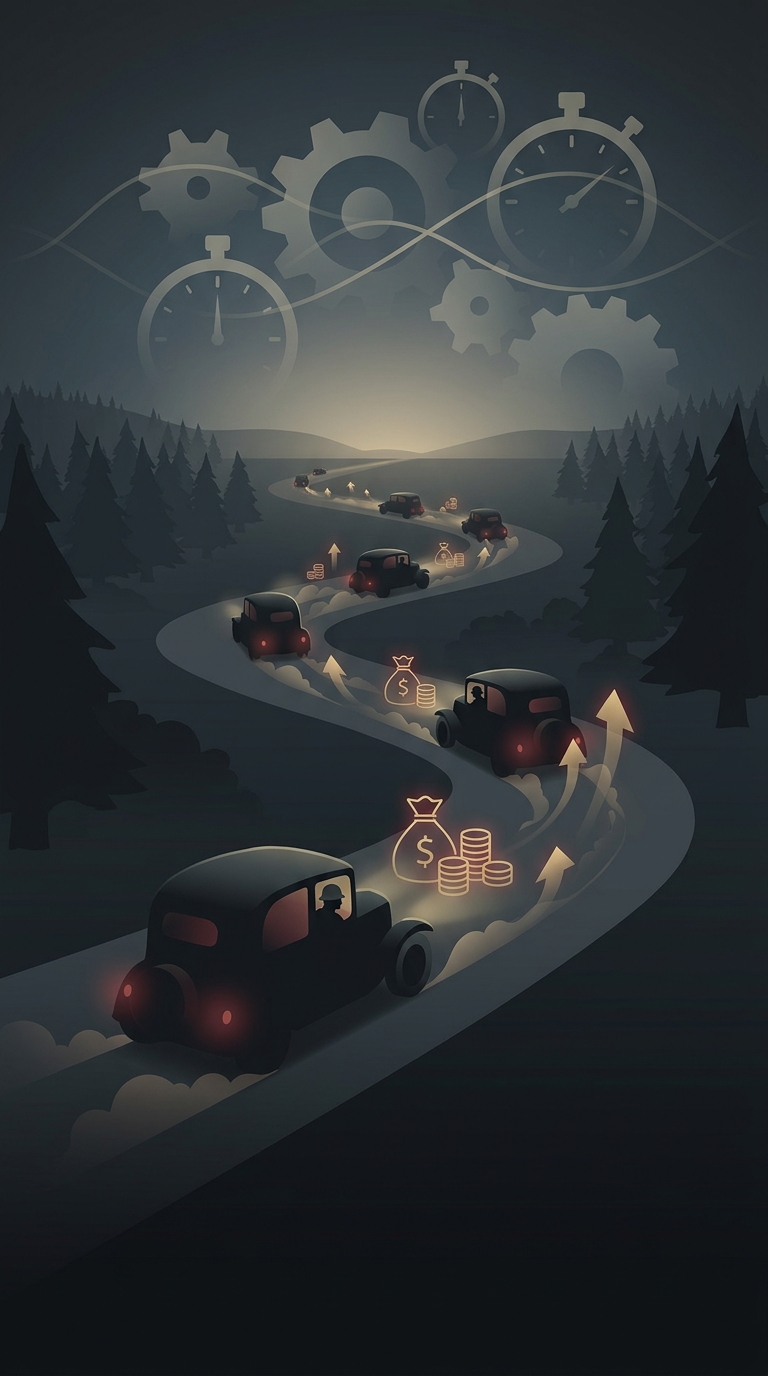
A taxi in dense traffic repeats this process far more often than a car cruising steadily. Each red light, queue, and short gap can mean another slowdown, followed by another acceleration and slowdown. The key burden is not simply how long the engine runs; it is how often the car must shed speed.
The wear adds up between fares
On a clear road, a car can maintain speed for long stretches, with relatively few braking events. In stop-and-go traffic, the same distance may involve many more stops. For a taxi, which spends much of its working day circulating through busy streets and responding to changing traffic, those repeated braking cycles make pad wear a routine maintenance concern.
Heat is part of the process, but it is not the only factor: every application also removes a little friction material. Eventually, the pads need replacing so they can continue slowing the vehicle effectively. A cab’s mileage can therefore understate the strain on its brakes: two cars that travel the same distance may accumulate very different amounts of braking.