The gas cap can trigger a warning meant for the engine
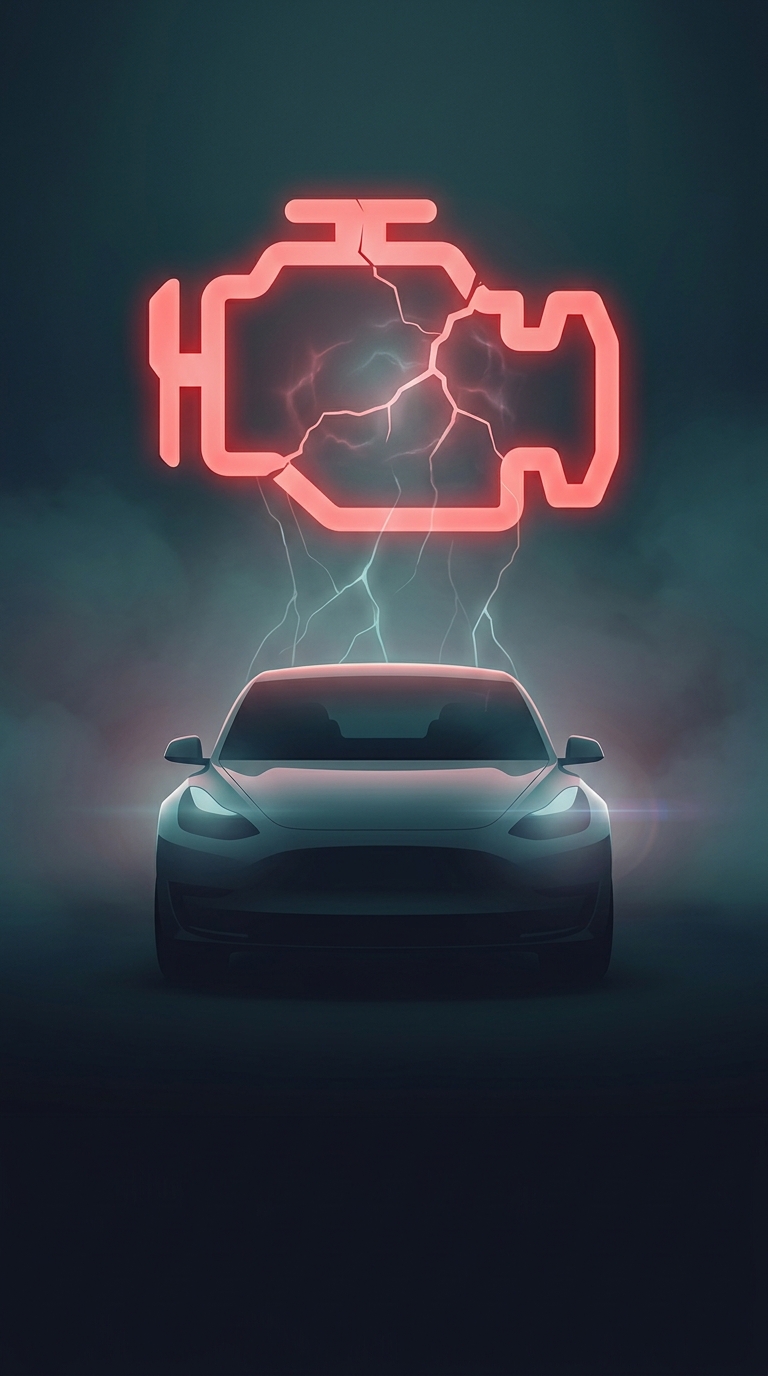
One of the simplest reasons a check-engine light comes on is a loose or poorly sealed gas cap. The cap is part of the car’s evaporative-emissions system, which keeps gasoline vapors from escaping the fuel tank into the air.
When the cap does not seal, the system can detect that it is losing pressure. The car’s computer treats the leak as an emissions problem and switches on the warning—even though the engine may seem to run normally. A cap that is cracked or has a worn seal can cause the same issue, so tightening it will not always solve the problem.
Why the light may stay on
After you secure or replace the cap, the car may need to complete its own checks before the light goes out. Those checks happen during ordinary driving, so the warning may remain for a while. If it stays on, a mechanic or code reader can retrieve the diagnostic code—the information that helps identify what the car detected.
A steady light is different from a flashing one, which can signal a serious engine misfire that risks damaging the catalytic converter. In that case, reduce driving and get the car checked promptly. The small cap is worth checking first, but the warning itself is the car’s request to investigate, not proof that the cap is the whole story.