Inspecting the railway from the rail itself
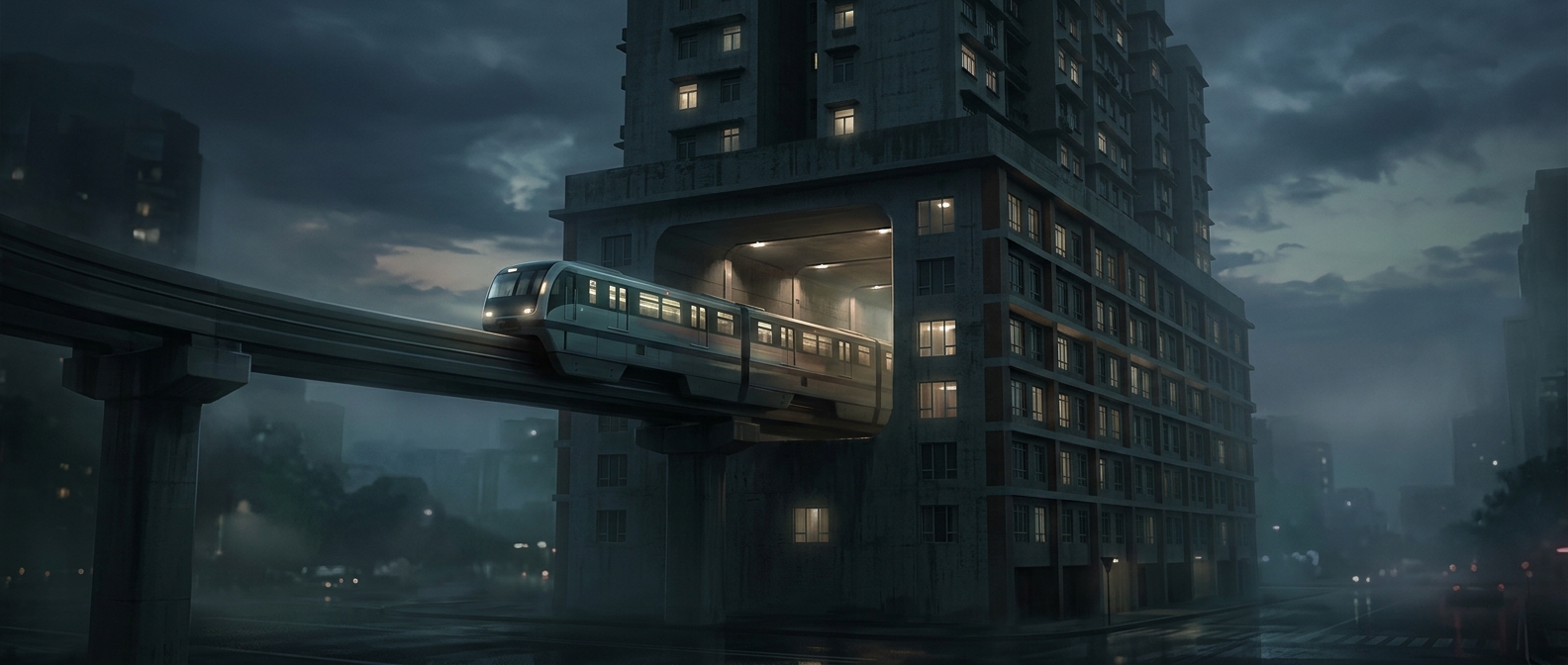
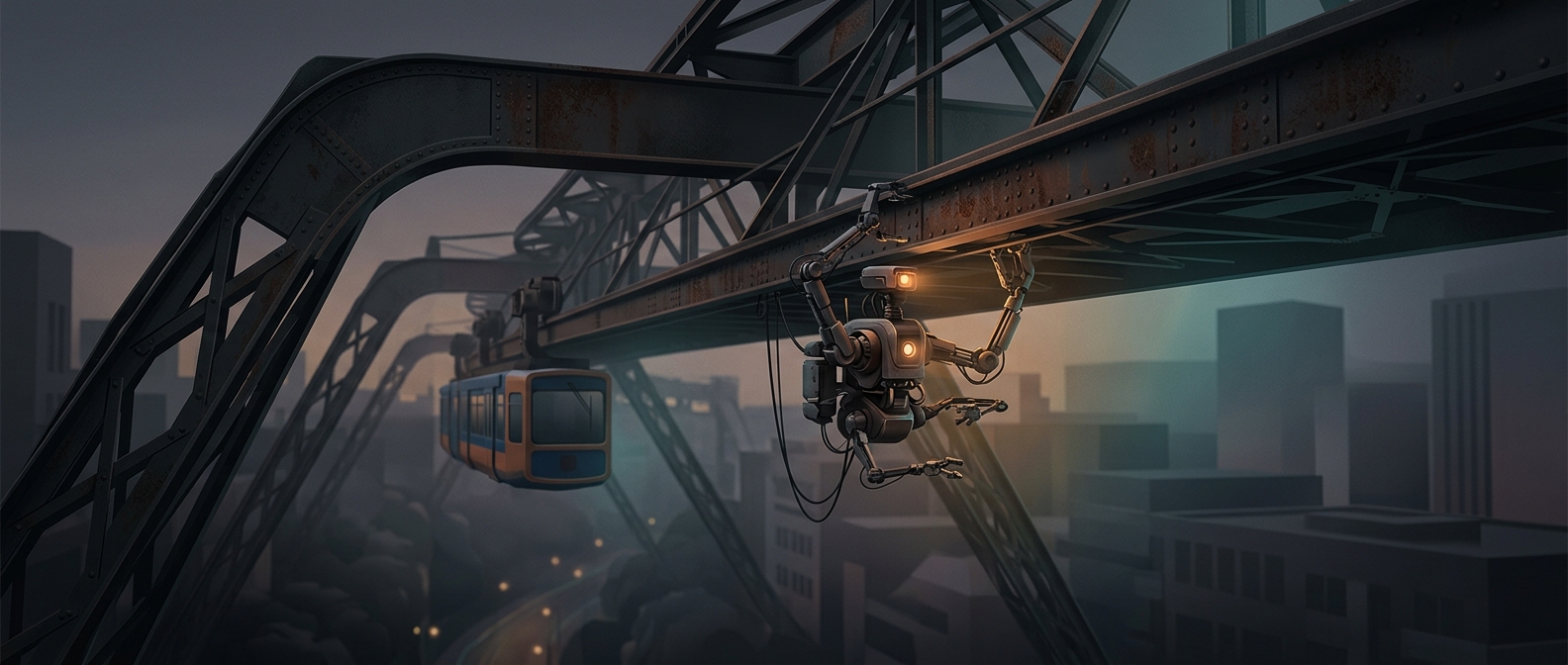
Wuppertal’s railway is unusual because its cars hang beneath an elevated track instead of running on rails at street level. That arrangement makes the track and supporting structure difficult to reach: much of the inspection work takes place above streets and other obstacles, where setting up access for people can be awkward and potentially hazardous.
A robot that travels along the railway turns the route into its own access path. Rather than bringing a person to each hard-to-reach section, crews can send the machine along the elevated line to examine the track and structure. The essential advantage is repeatable access without putting an inspector in a precarious position for every pass.
A closer look, not a replacement crew
Inspecting an elevated railway means paying attention not only to the running surface but also to the structure that holds it in place. A mobile inspection platform can cover sections that would otherwise require workers to reach them from below or from specialized access equipment. It also lets the railway be examined along its actual route, rather than only at convenient points.
The robot does not make maintenance automatic. Finding a possible problem and deciding what it means are different tasks; crews still have to interpret inspection results and carry out any needed work. But moving the first look onto the railway itself can make difficult sections easier to check—and lets maintenance begin with information gathered without asking someone to balance above the street.