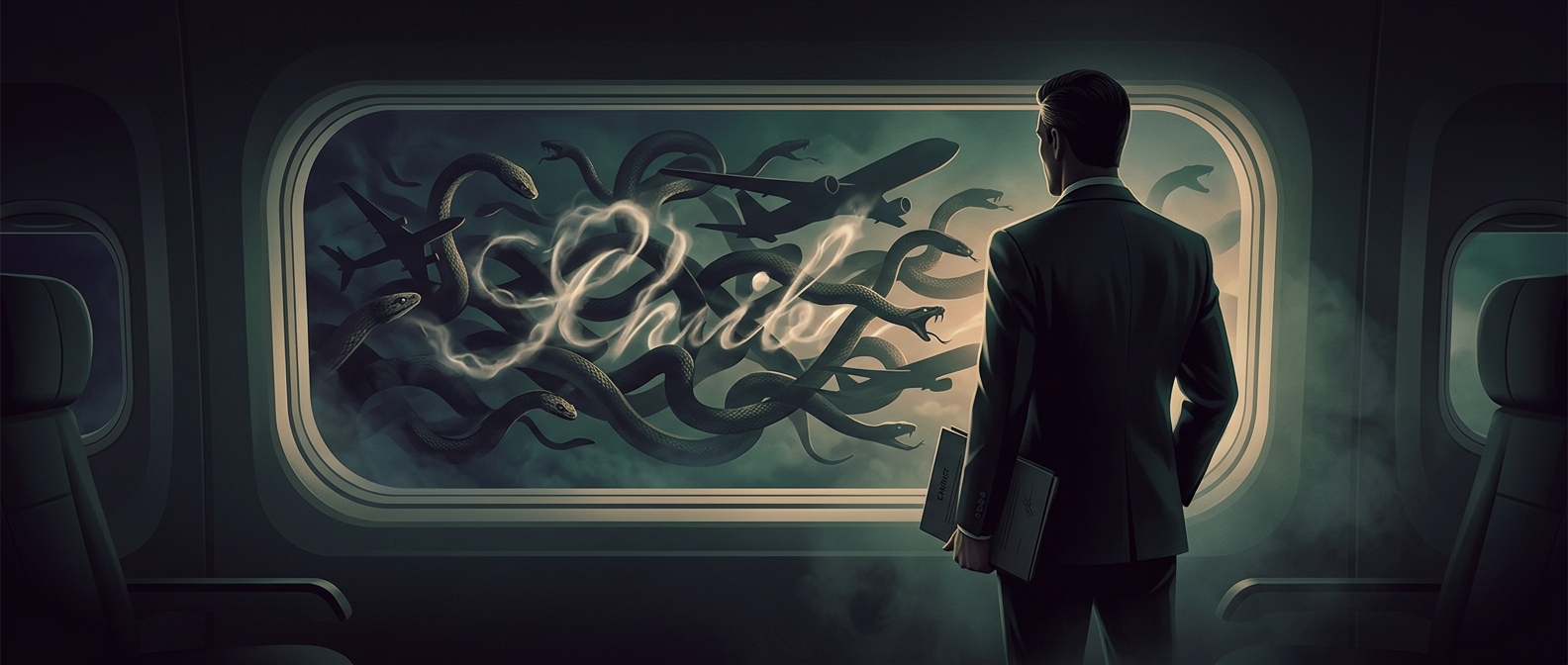
Why Snakes on a Plane needed its title
A movie title can do more than identify a film: it can tell audiences what kind of experience they are being offered. Snakes on a Plane makes its premise unmistakable in four words. The bluntness is part of the entertainment promise—an outrageous danger, a confined setting, and no need to guess what the movie is about.
That clarity was at risk when the studio considered the more formal Pacific Air Flight 121. The alternative sounds like a flight number, not a high-concept thriller. It withholds the image that makes the original title instantly memorable.
The title was part of the appeal
Samuel L. Jackson’s decision to sign on because of the title shows how a simple phrase can function as a creative pitch. It tells a performer, and potential viewers, the movie’s central hook before they know anything about its characters or plot. Jackson’s threat to quit when the name was in danger of changing made that hook a condition of his participation, not just a marketing preference.
The episode also reveals a practical tension in film promotion: a studio may favor a title that sounds conventional, while a distinctive one can make a movie easier to recognize and talk about. In this case, the name was not packaging added after the concept. It was the concept’s clearest selling point.