How Superman Worked Around Brando’s Refusal to Memorize Lines
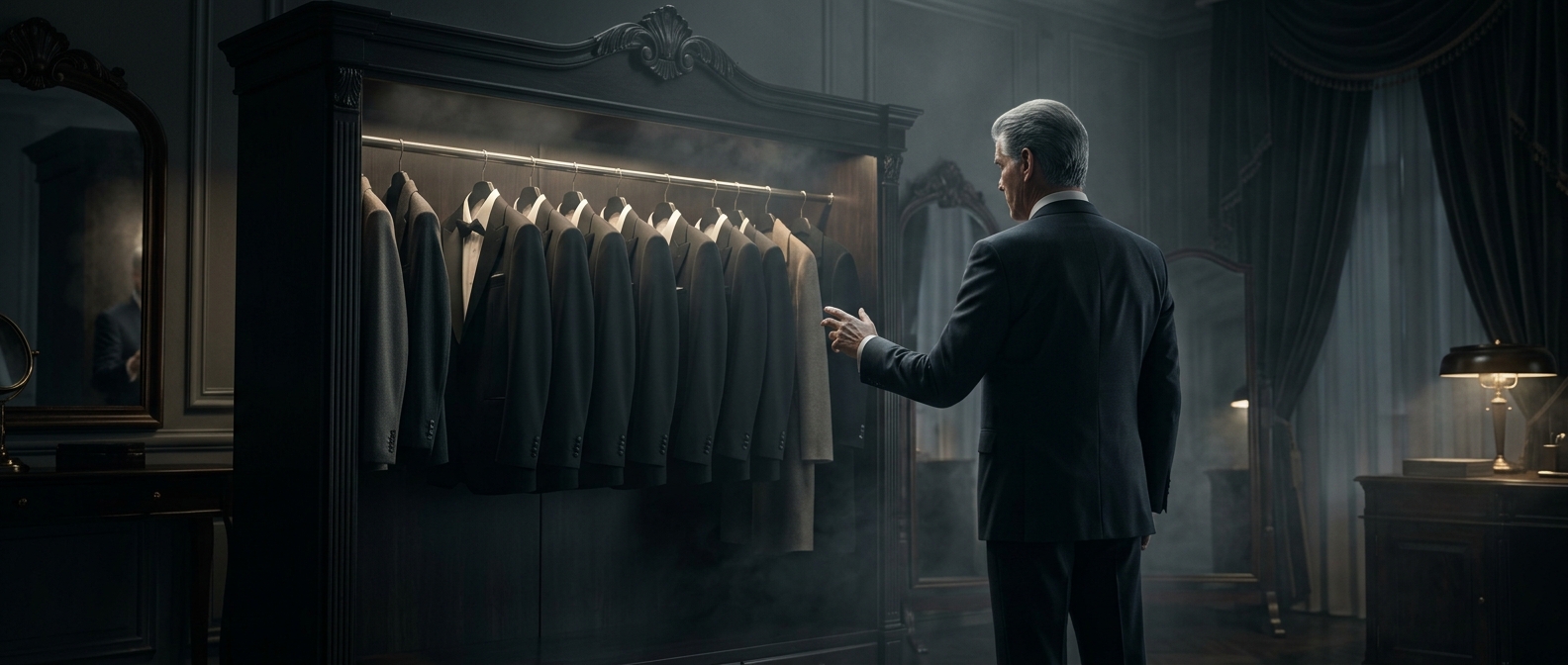
Marlon Brando’s brief appearance as Jor-El posed an unusual production problem: the actor would perform the role, but would not learn its dialogue. The crew’s solution was to turn the set into a network of prompts. They taped cue cards to nearby props and surfaces—and even to other actors’ chests—so Brando could find his next line while the scene was being filmed.
That workaround shifted part of the performance burden onto the staging. A cue card had to be close enough for Brando to read, yet placed so the camera would not reveal it. When a prompt was attached to another actor, that performer also had to hold position and keep the scene natural while serving, in effect, as a human script page.
The Price of Getting Jor-El on Screen
Brando was paid $3.7 million for the role, plus a share of the film’s profits. His compensation reflected the unusual leverage a major star could bring to a large production: a short appearance could still supply a film with a famous face and a high-profile event around its release. The tradeoff was that the production had to accommodate a working method that would be unthinkable for most actors.
The cue cards did not make the performance effortless; they made it filmable. Each prompt had to be positioned for Brando without distracting the audience, while the other actors carried the rhythm of the exchange. In the end, the production’s workaround was as revealing as the fee: even a few minutes on screen could command enormous resources when the performer was a star of Brando’s stature.