When Saruman’s scene needed no coaching
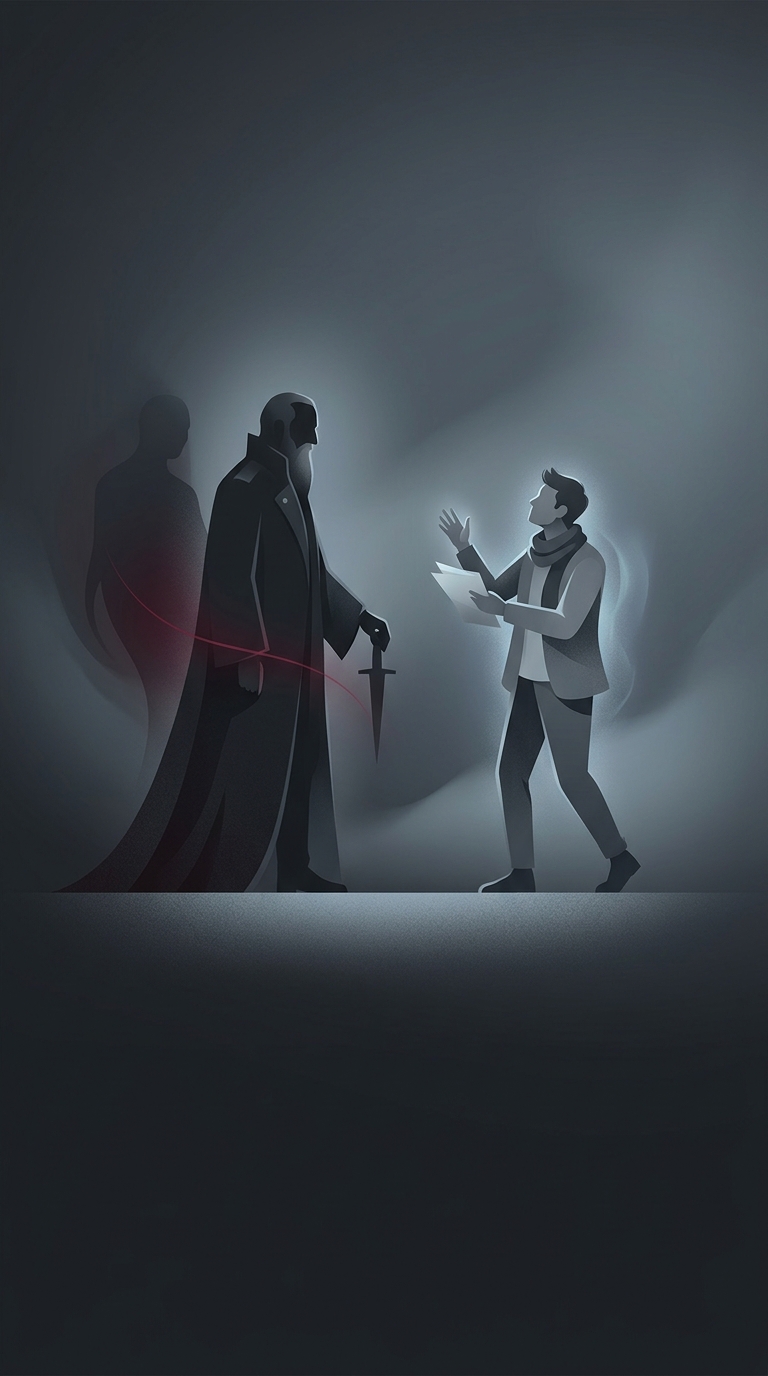
In The Lord of the Rings: The Return of the King, Saruman is stabbed from behind by Gríma Wormtongue. For a director, a moment like that normally calls for careful guidance: an actor has to make the impact legible to the camera without making the reaction feel theatrical or unconvincing.
Peter Jackson found that Christopher Lee needed no such instruction. Lee’s response rested on experience he had gained long before he played the wizard: he had served in British Intelligence during World War II and knew the sound a person makes when stabbed from behind.
Experience changes what a director can ask
The anecdote is striking because it reverses the usual relationship on a film set. Jackson was the director, but on this narrow point Lee brought knowledge Jackson did not. Rather than inventing a reaction from convention, Lee could draw on a real-world reference—and tell the director why the moment did not require coaching.
That did not make the scene less of an acted performance. It gave Lee a precise basis for portraying it. In a fantasy film full of invented creatures and magic, one small detail came from an actor’s experience outside the story, making Saruman’s final moment feel grounded in something recognizably human.