When a Household Object Outlives Its Use
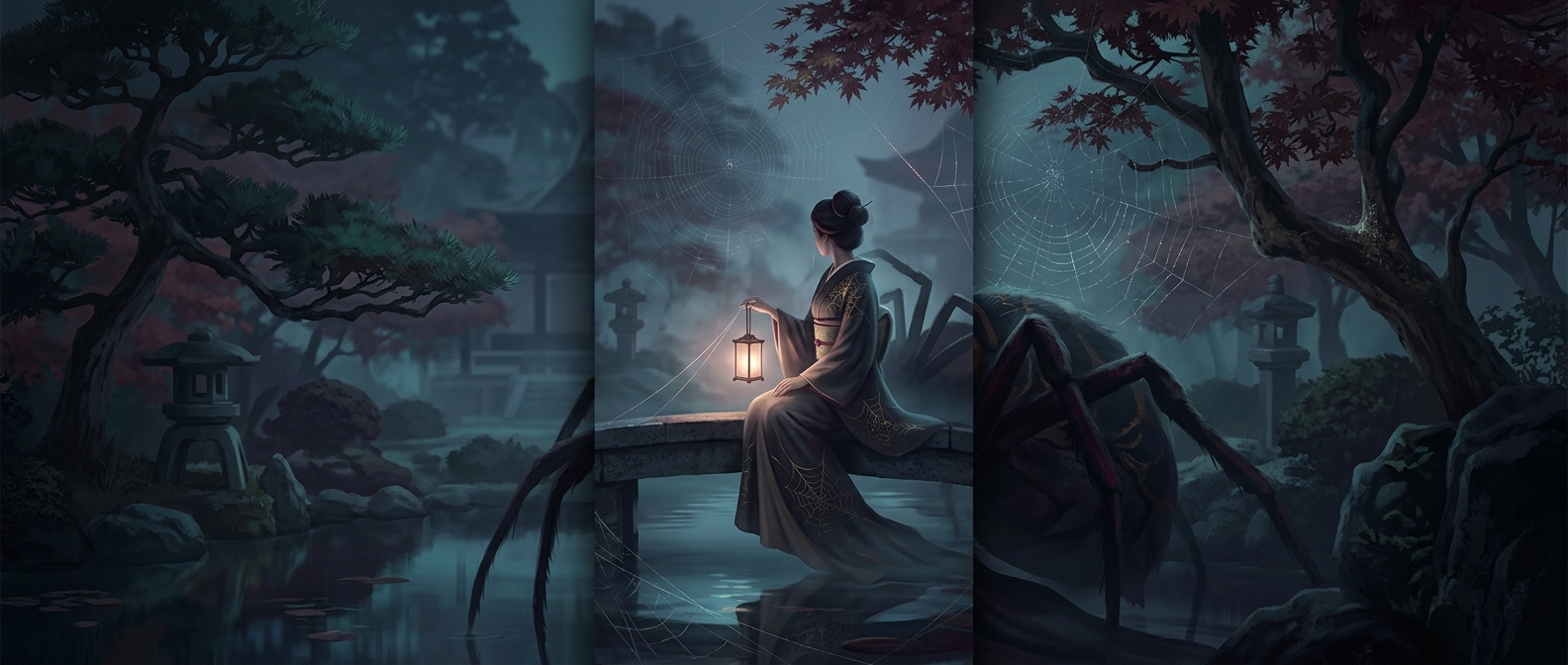
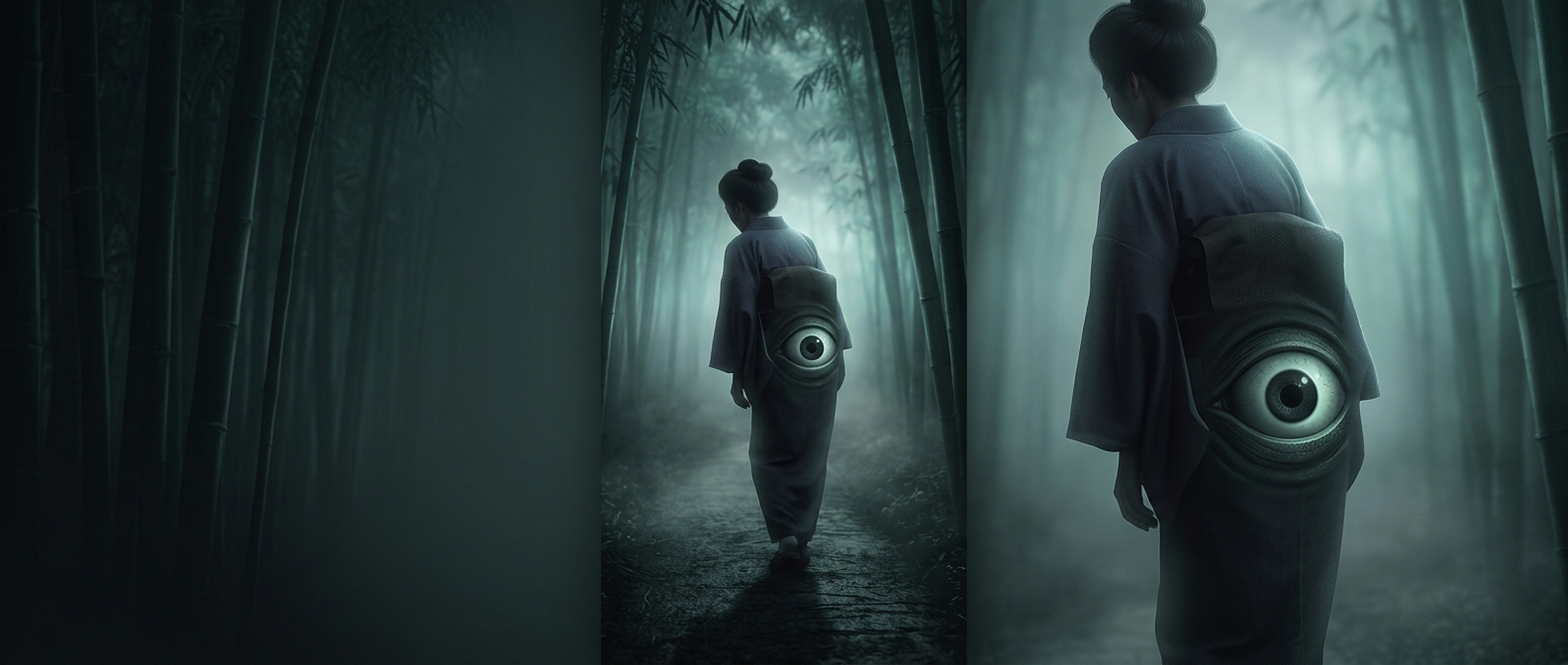
In Japanese folklore, a tsukumogami is an everyday object imagined to acquire a spirit and a life of its own. The familiar rule says this can happen after a tool has lasted a hundred years. A sandal, broom, or lantern may then sprout eyes and limbs, turning something ordinary into a mischievous or frightening presence.
The transformation gives discarded belongings a story: an object that has served people for generations is not necessarily inert just because its owner is finished with it. In tales where tsukumogami turn hostile, their anger makes neglect visible—and gives the abandoned object a way to answer back.
A Warning Wrapped in a Ghost Story
These stories can be read as a playful, unsettling reminder to treat possessions with care. A tool has been part of daily life, handled and relied on; imagining it as a creature forces people to picture what happens when it is abruptly thrown away. The hundred-year wait also makes the change feel like a consequence of age and accumulated history, not a sudden spell.
That idea is especially vivid because the objects are so familiar. A lantern that once lit a room or a sandal that carried someone along a road becomes uncanny precisely because it was once useful. Tsukumogami turn the household into a place where even the things left in a corner might remember how they were treated.