The cost of licensing Beatlemania
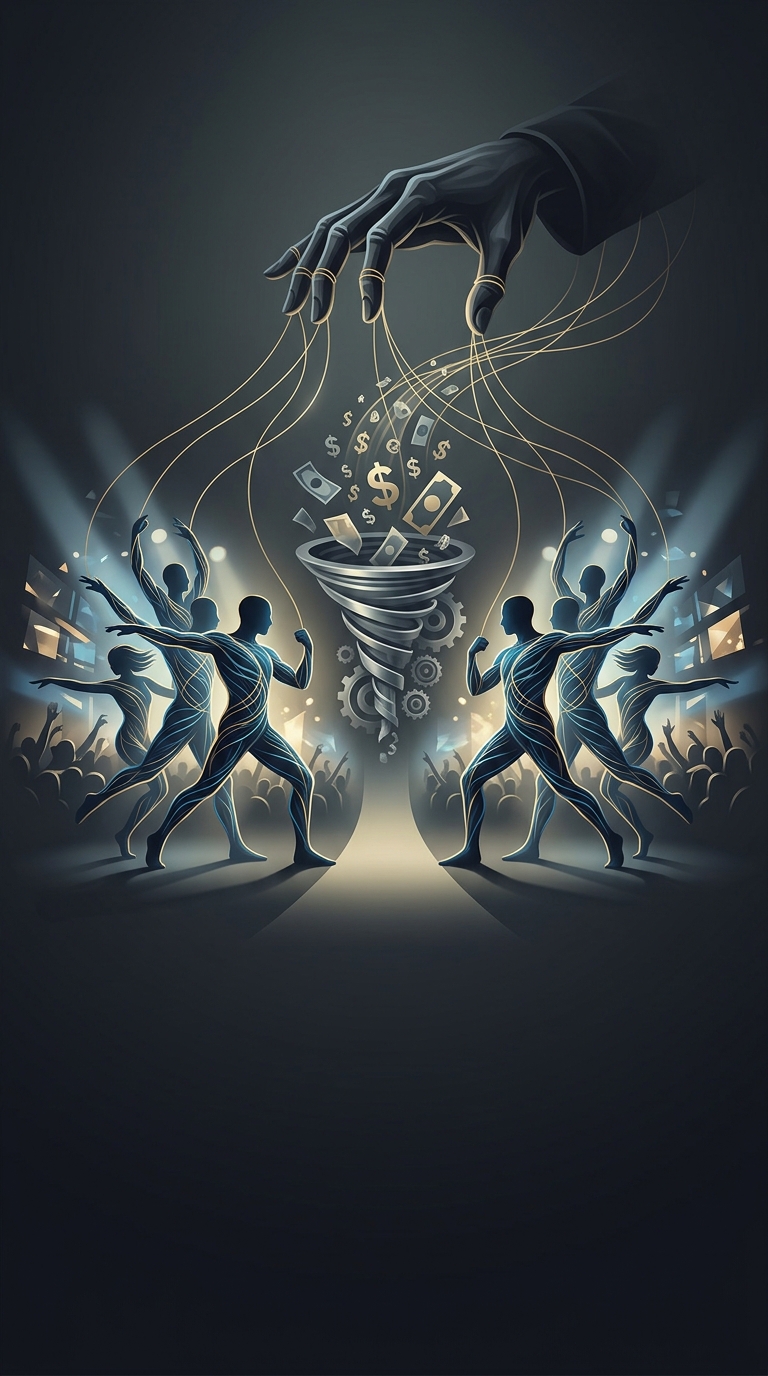
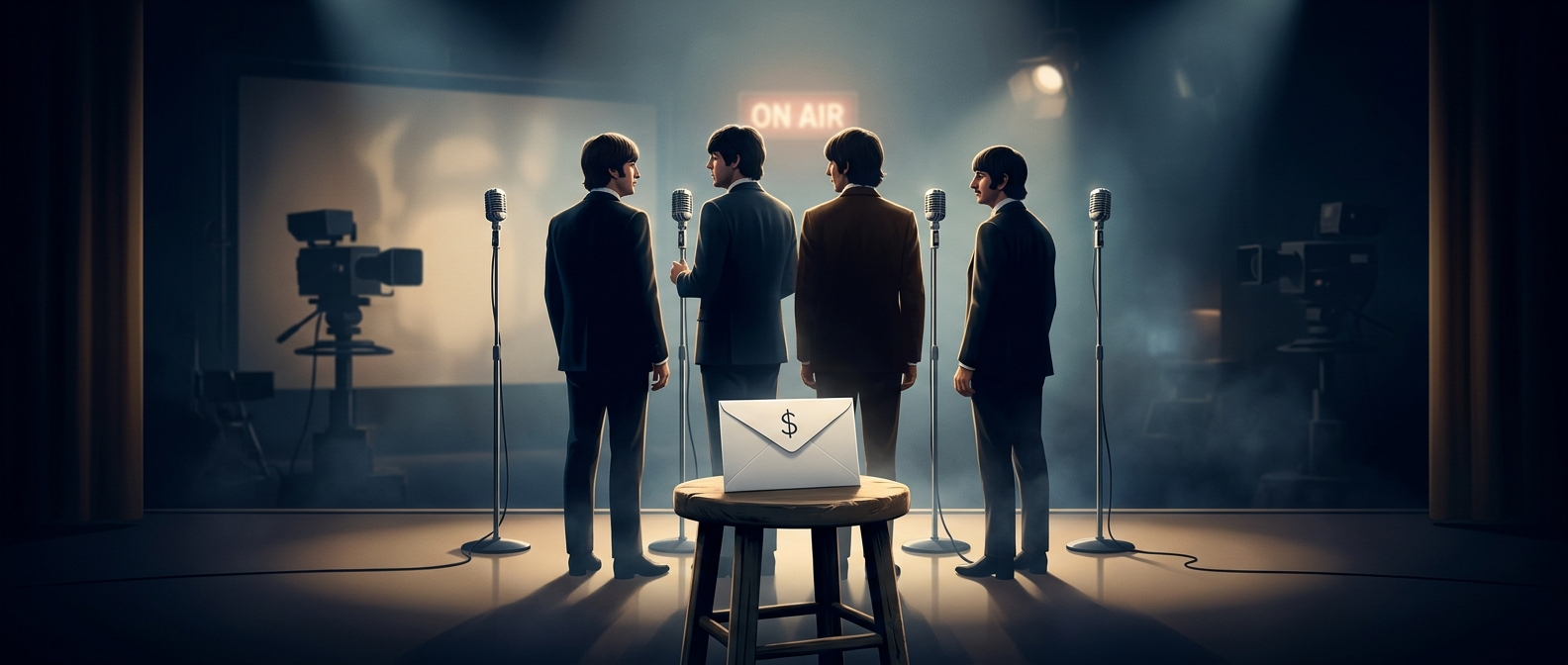
The key to the deal was not the price of any single wig or lunchbox. It was who held the right to turn the Beatles’ image into products—and who collected the money as demand surged. Seltaeb received broad merchandising rights, allowing it to license the band’s name and likeness to manufacturers making goods such as T-shirts and lunchboxes.
That arrangement separated the Beatles from much of the business their fame created. A manufacturer could make and sell a product under license; Seltaeb stood between those manufacturers and the band. The Beatles’ popularity drove sales, but the contract determined how much of the resulting income reached them.
When a small deal met a huge market
In 1963, the scale of the coming merchandise boom was difficult to predict. The Beatles were becoming a mass phenomenon, and their image could be reproduced across many kinds of products. Once millions of items were selling, a contract that assigned most of the merchandising rights away had consequences far beyond the initial payment.
The mismatch was especially stark because merchandise was not just a side effect of the band’s fame: it was a business built directly on recognition of their faces and name. Seltaeb’s position gave it a powerful place in that business, while the band’s share was limited by terms negotiated before the full scale of demand was clear.
The lesson in the fine print
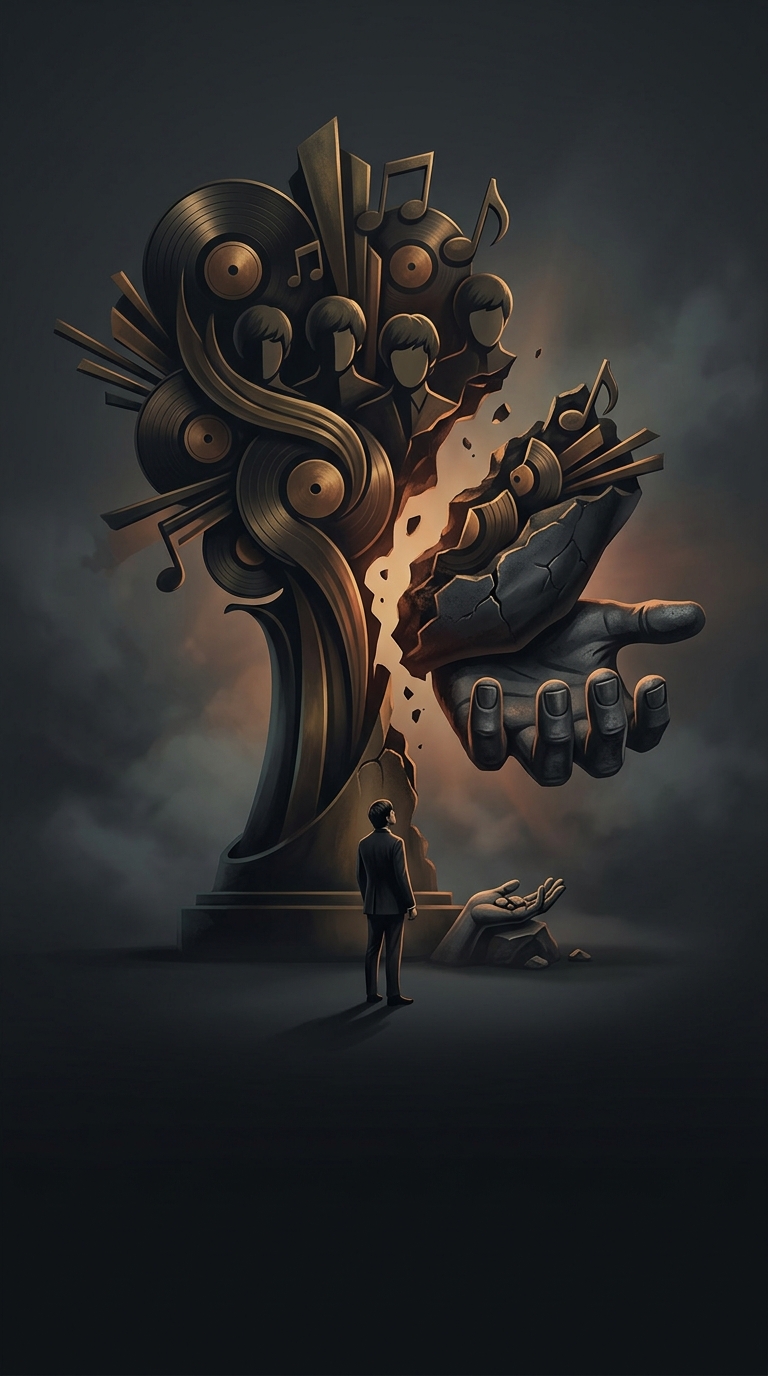
Merchandising deals can look modest when a new star’s future popularity is uncertain. But an exclusive or wide-ranging license can become extraordinarily valuable if the audience grows—and difficult to undo if the rights have already been granted. The Beatles’ deal became a cautionary example of how fame can generate enormous sales without automatically giving the famous people control over, or most of the proceeds from, the products bearing their image.