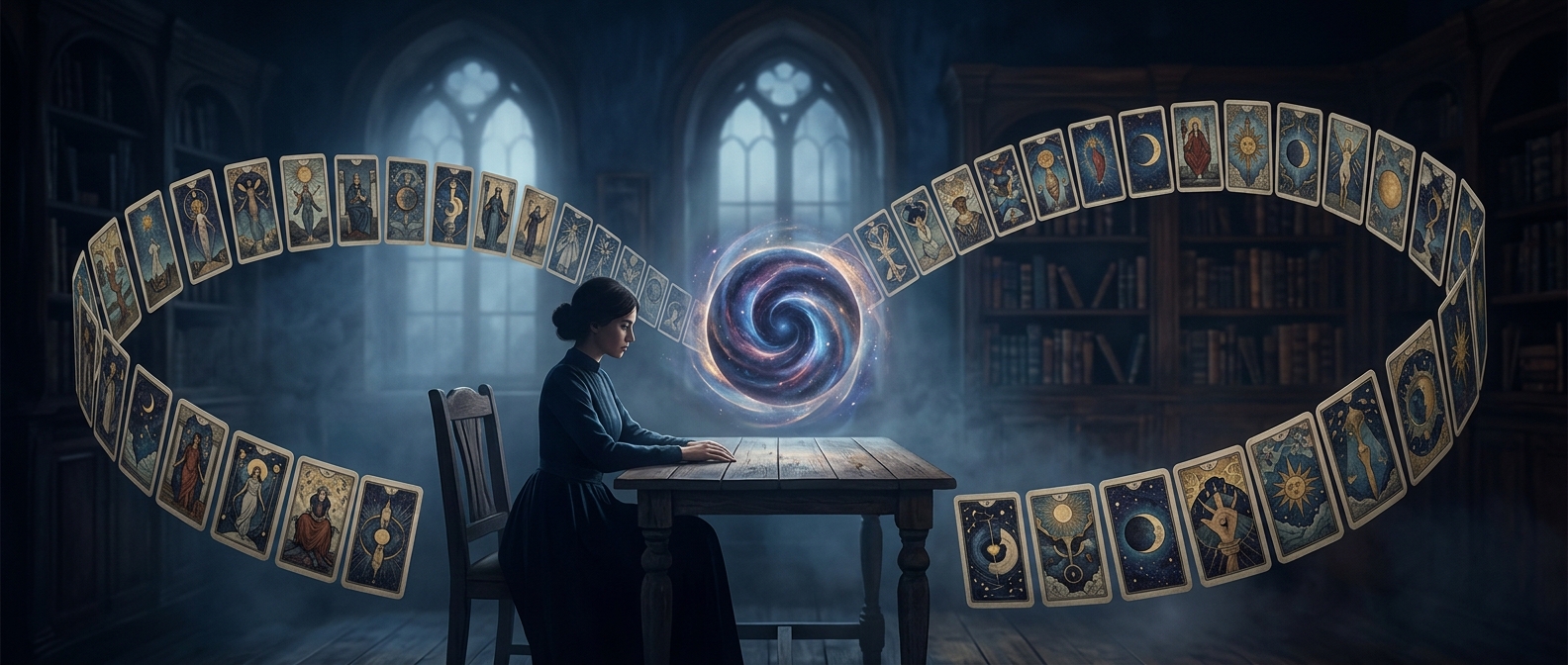
A Game Deck Before It Was a Fortune-Telling Tool
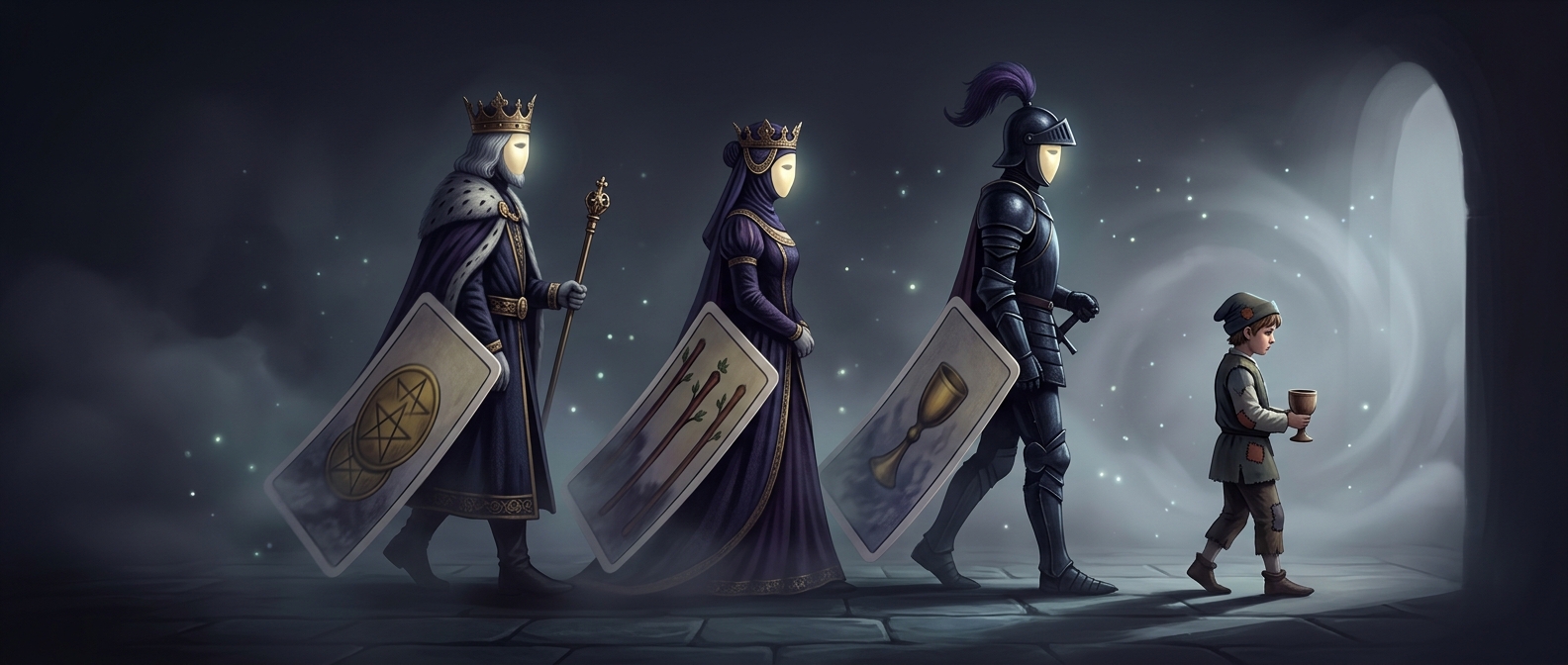
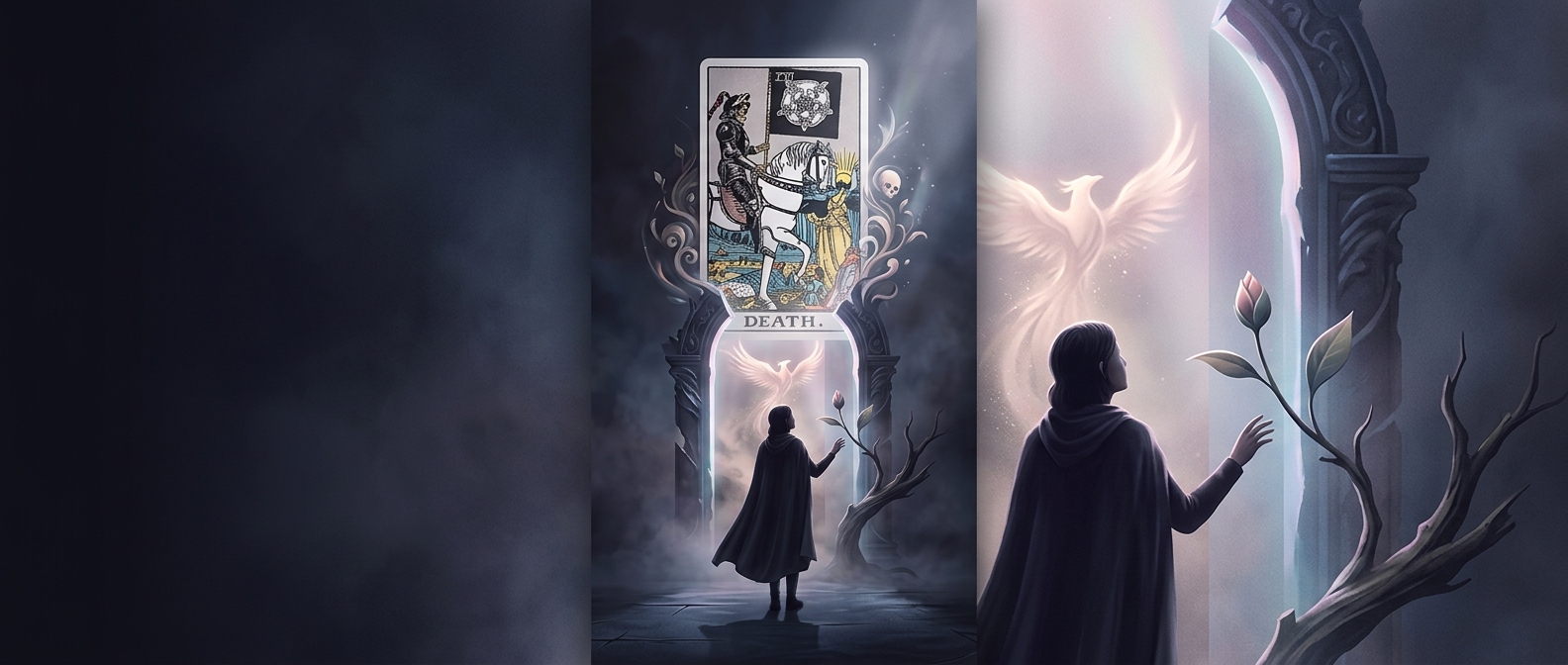
In 15th-century Italy, tarot cards belonged to a trick-taking game played by wealthy households. Players competed to win rounds of cards, much as in other card games; a special group of trump cards could beat cards from the ordinary suits. The trump images—often figures such as a ruler, a virtue, or Death—made the deck more elaborate than a standard pack, but their presence did not originally make the game a system for predicting the future.
The game spread and changed across Europe. “Tarocchini” is the name of a later Italian game played with a shortened tarot deck, not the general name for every early tarot game.
How an Egyptian Story Changed the Cards’ Meaning
In the 1780s, French clergyman Antoine Court de Gébelin proposed that tarot preserved ancient Egyptian wisdom. That origin story was speculation, not established history, but it offered a powerful new way to look at the deck: its pictures could be treated as fragments of a hidden teaching rather than as illustrations in a game.
Once the cards were read as a symbolic system, using them for divination became more plausible to occult enthusiasts. The shift was not built into the cards from the start; it came from people assigning new meanings to familiar images. The same deck could move from the card table to a reading because its suggestive pictures invited interpretation—even though the Egyptian explanation was invented centuries after the game appeared.