How music changes the feel of effort
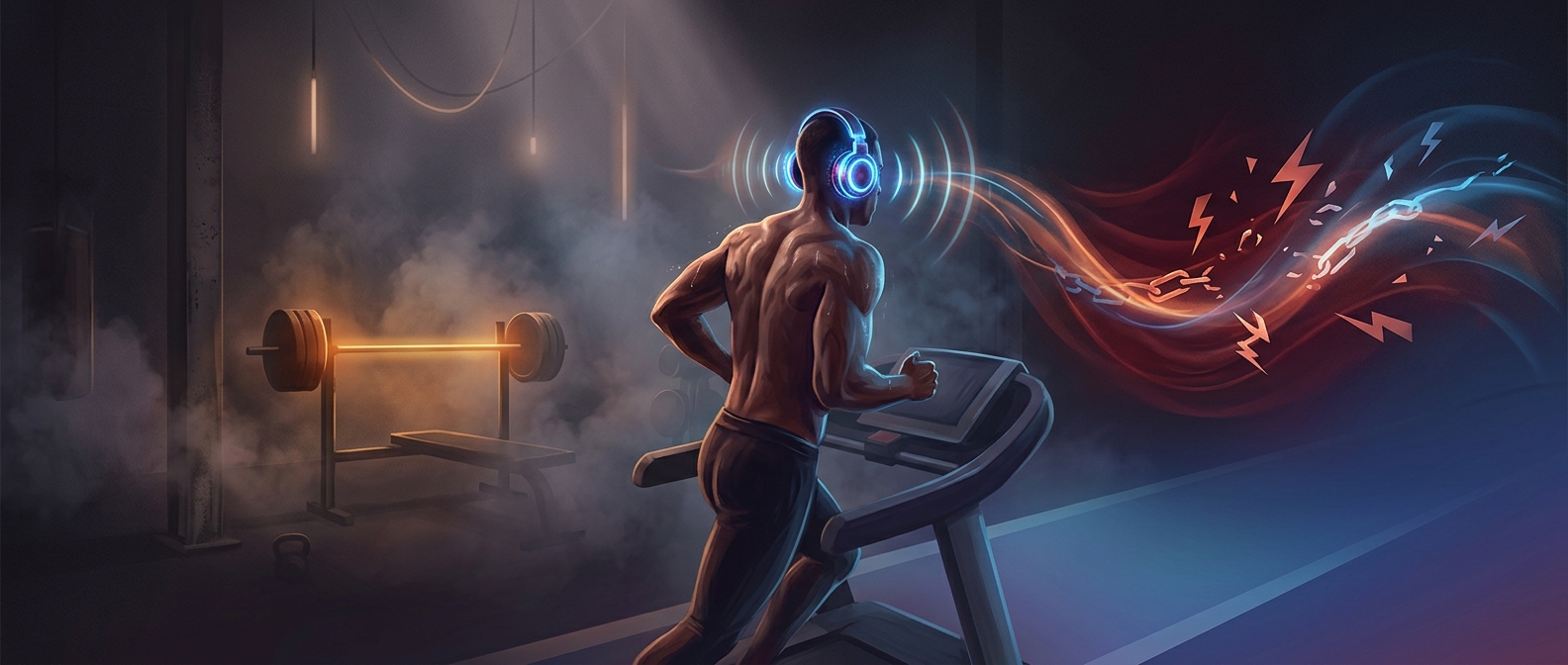
During hard exercise, muscles and other tissues send signals that the brain interprets as discomfort. The signals still arrive when music is playing, but the brain does not experience them in isolation. A strong rhythm, familiar lyrics, or an emotionally charged song can draw attention and shape mood, making discomfort less dominant in the moment.
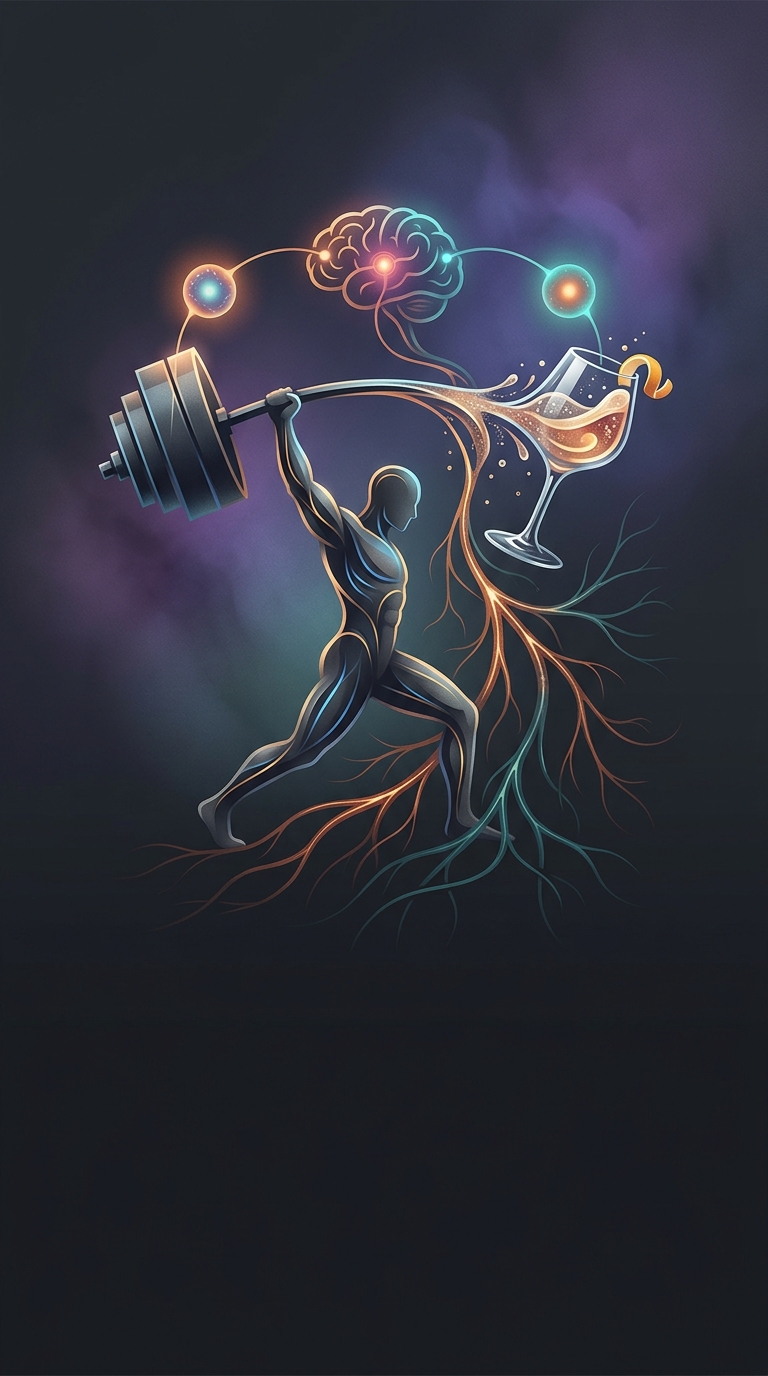
Exercise also engages the body’s own pain-regulating systems. Endorphins are chemicals the body produces that can bind to some of the same receptors targeted by opioid pain medicines, reducing how strongly certain pain signals are felt. Music can add to the workout’s emotional and rewarding feel, helping some people tolerate discomfort; it does not switch off pain or erase the physical strain.
Less painful is not the same as less demanding
The distinction matters because pain and effort are related but not identical. A song may make a difficult interval feel more manageable without making the muscles use less energy or changing the work required. That can help explain why someone can keep moving through a tough stretch while still breathing hard and feeling their muscles tire.
Music is therefore a way to change the experience of exertion, not a reliable gauge of whether the body is safe. A workout that feels easier can still be demanding, and sharp or unusual pain should not be dismissed as something a playlist can mask. The useful effect is narrower: music can make discomfort easier to bear while the effort itself remains real.