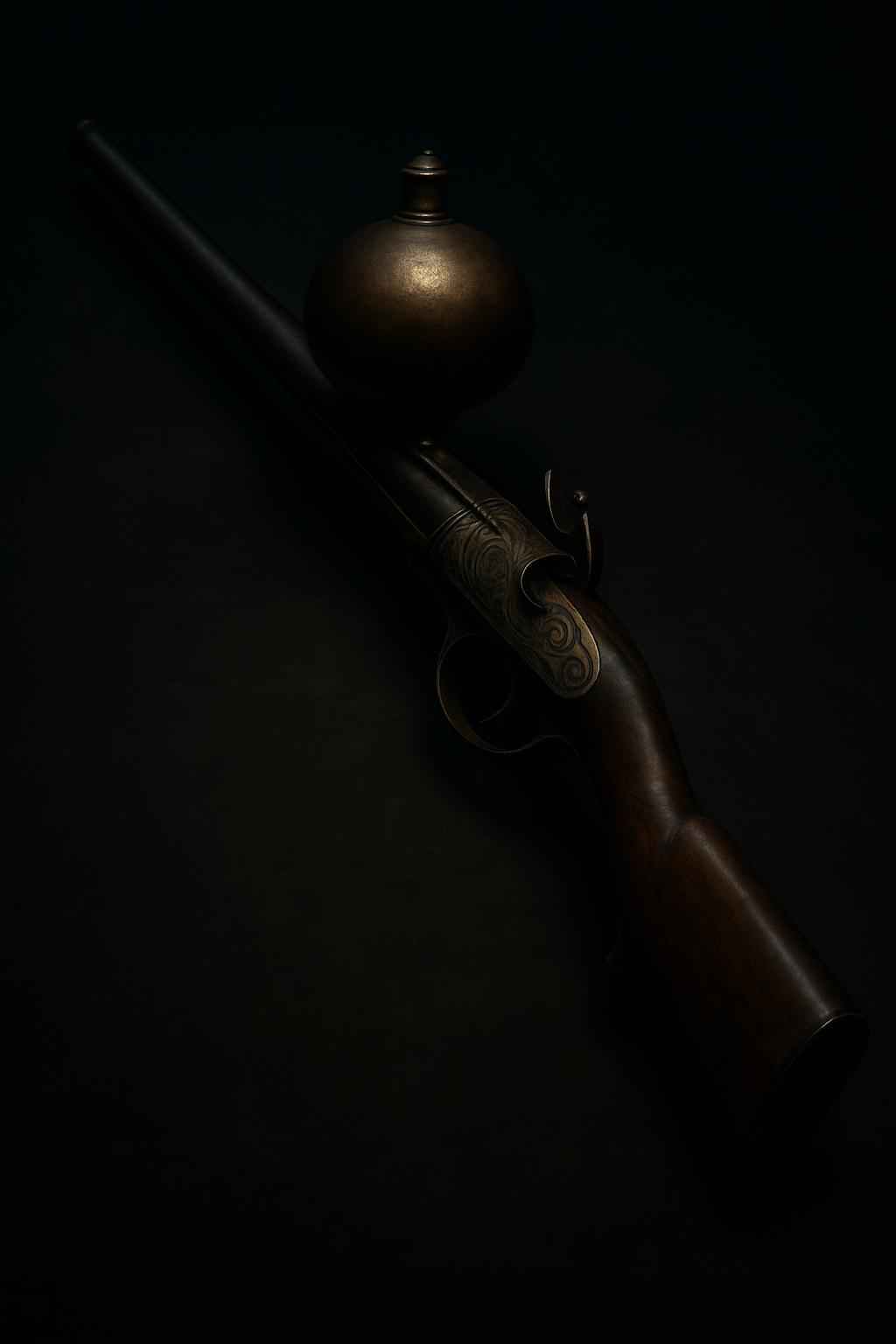
A shot powered by stored air
A wind gun replaced the expanding gases of burning gunpowder with air held under pressure. The shooter first compressed air into a reservoir; pulling the trigger opened a valve, letting a burst of air push a pellet or ball down the barrel. The gun therefore depended on pressure stored before the shot, rather than an explosion at the moment of firing.
That change removed the most conspicuous signs of a conventional firearm. There was no powder flash at the muzzle and far less smoke to reveal where a shot came from. The weapon was not literally noiseless: moving parts and escaping air could still make sound. But without the explosive report of gunpowder, a shot could be harder to notice and locate.
Why quiet changed the threat
For officials, the danger was not simply that the gun could injure someone. Its usual warning signals were reduced. A gunshot in a public place could announce an attack and draw witnesses; a quieter weapon might leave people unsure that a shot had been fired at all, or where it came from. That raised the unsettling possibility of a concealed attack without the immediate commotion that normally followed.
The tradeoff was practical as well as political. An air gun needed its reservoir charged in advance, and its performance depended on the pressure available; it did not get a fresh supply of driving force from each cartridge of powder. Yet its different sound and smoke made it difficult to judge by the familiar rules of firearms. The unsettling innovation was not just a new way to launch a projectile, but a shot that gave the crowd fewer clues that it had happened.