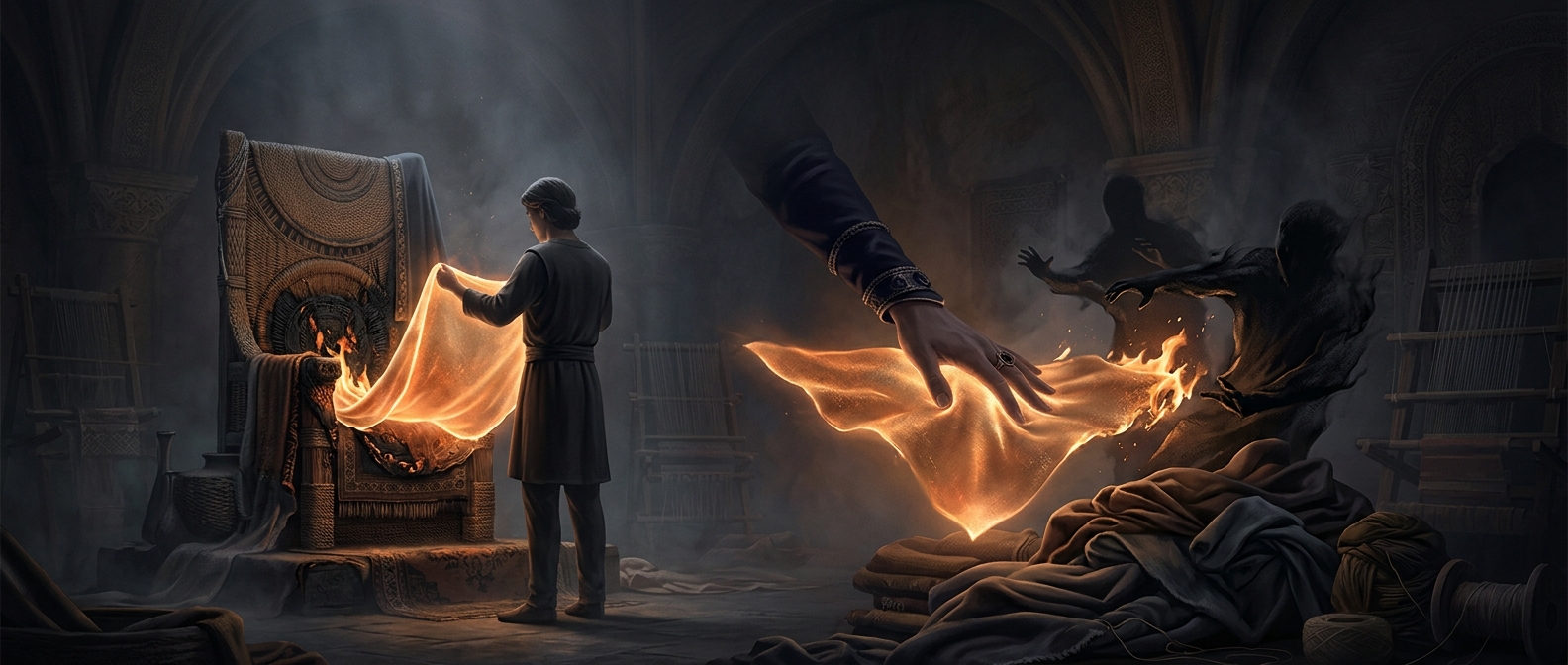
The cloth that could be cleaned by fire
The material behind the legend was asbestos: a group of naturally occurring minerals that split into fine, flexible fibers. Those fibers could be spun and woven into cloth, unlike ordinary plant and animal fibers, which scorch or burn readily. A piece of asbestos fabric could survive a flame that would destroy linen or wool.
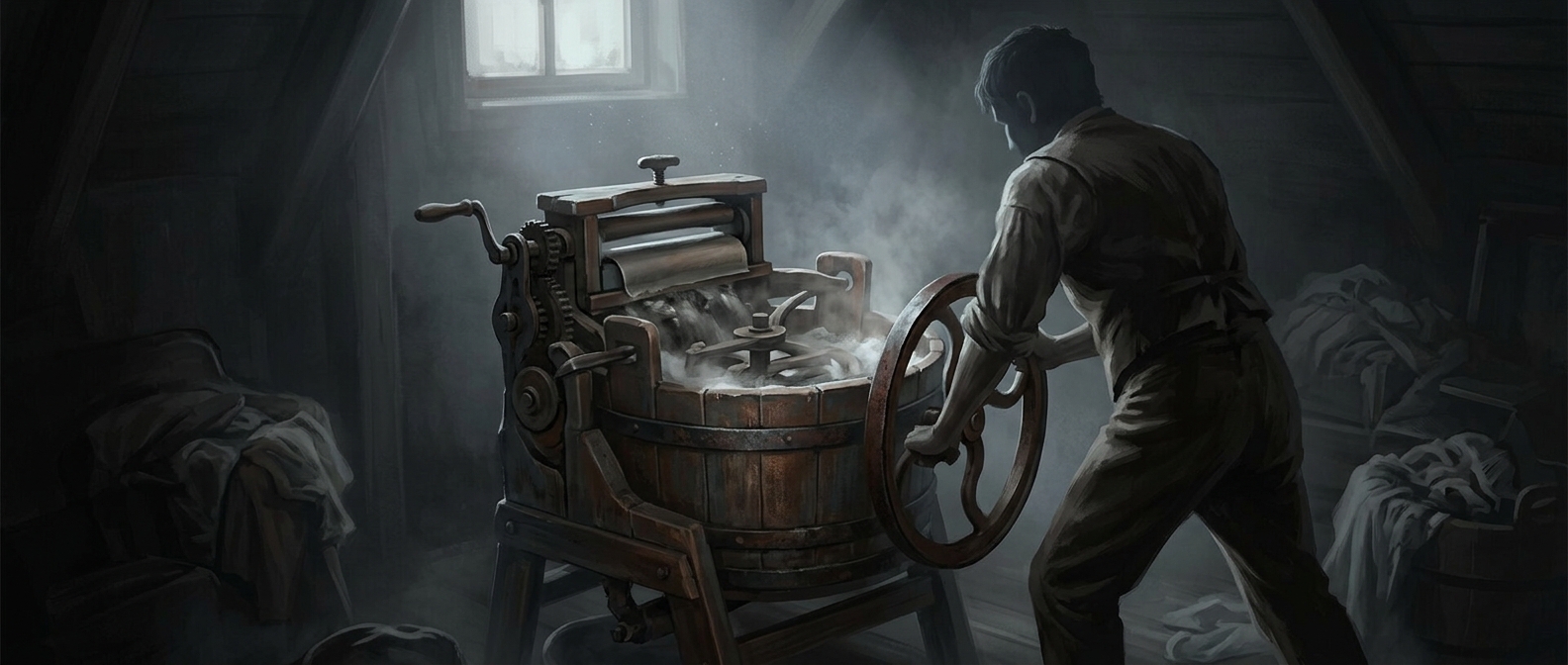
That made a practical trick look almost magical. Fire could burn away grime or an ordinary thread woven into the cloth while leaving the mineral fibers intact. Water could help wash the fabric, but it did not give the cloth its resistance; the fibers themselves supplied it.
A wonder with economic consequences
A textile that endured fire had obvious value as a curiosity and as a rival to familiar fabrics. If such cloth could be made in useful quantities, it might challenge the trades built around wool and linen. That possibility helps explain why accounts could present the material not just as a marvel, but as something that threatened established interests.
Yet asbestos cloth was difficult to make and handle. Its unusual qualities did not automatically make it a cheap substitute for everyday textiles, and stories about it could travel farther than the cloth itself. The surviving accounts preserve the striking spectacle more readily than they explain who made the fabric, how widely it was used, or what became of its makers.
The legend’s force came from a real contrast: a woven object, normally vulnerable to flame, emerging from fire still intact. For people accustomed to watching cloth burn, that was enough to make a material seem almost beyond nature—and valuable enough to unsettle those who depended on ordinary cloth.