Why Chopsticks Belong Beside the Bowl, Not in the Rice
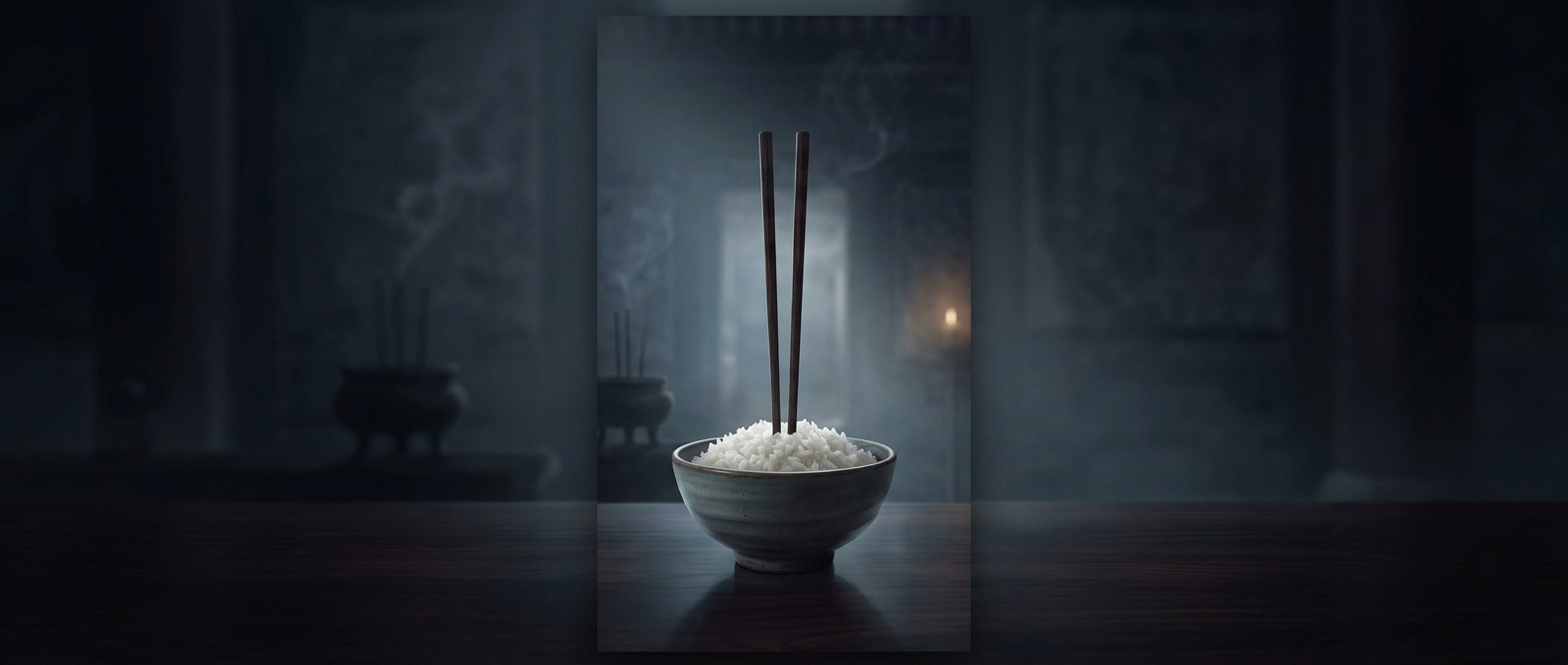
The offense is visual and ritual, not a matter of how the chopsticks are being used. A pair planted upright in a mound of rice can resemble incense sticks set out in a memorial rite for the dead. At an everyday meal, that image can make the table feel as though it has shifted from hospitality to mourning.
The resemblance is especially clear when the chopsticks stand together, vertical and still, rather than lying across the bowl. Rice is central to the image, too: the arrangement can look like a deliberate offering, not simply utensils put down carelessly. That is why a gesture meant to be convenient may carry a much heavier meaning to someone who recognizes the association.
A Small Gesture With a Clear Alternative
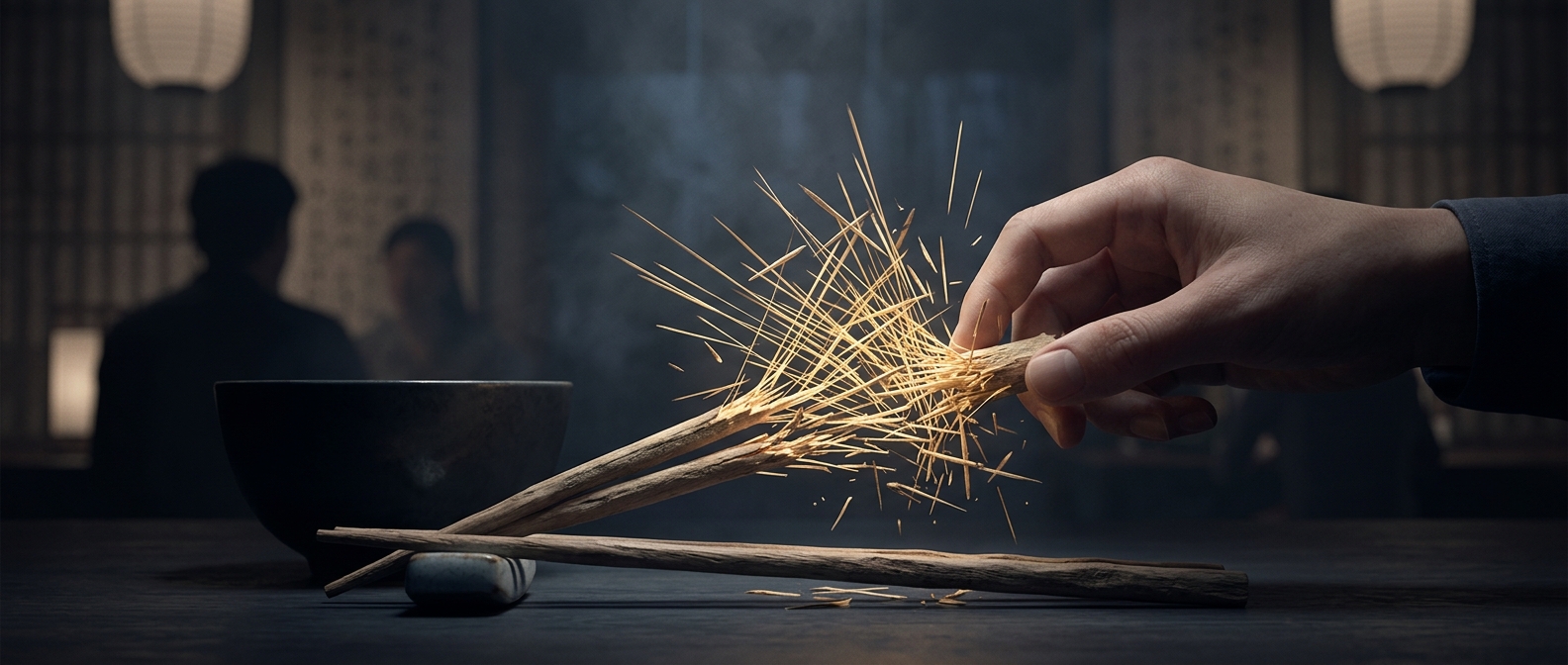
If you need to put your chopsticks down, lay them on a chopstick rest, or place them neatly beside your bowl. A rest keeps the tips off the table and signals that you are pausing, without echoing a funeral arrangement. When no rest is available, follow the host’s lead rather than leaving the chopsticks standing in the rice.
Etiquette varies between households and occasions, so the association does not mean every diner will react in the same way. But avoiding the gesture is easy—and it prevents a familiar meal from accidentally taking on the appearance of a ritual for the dead.