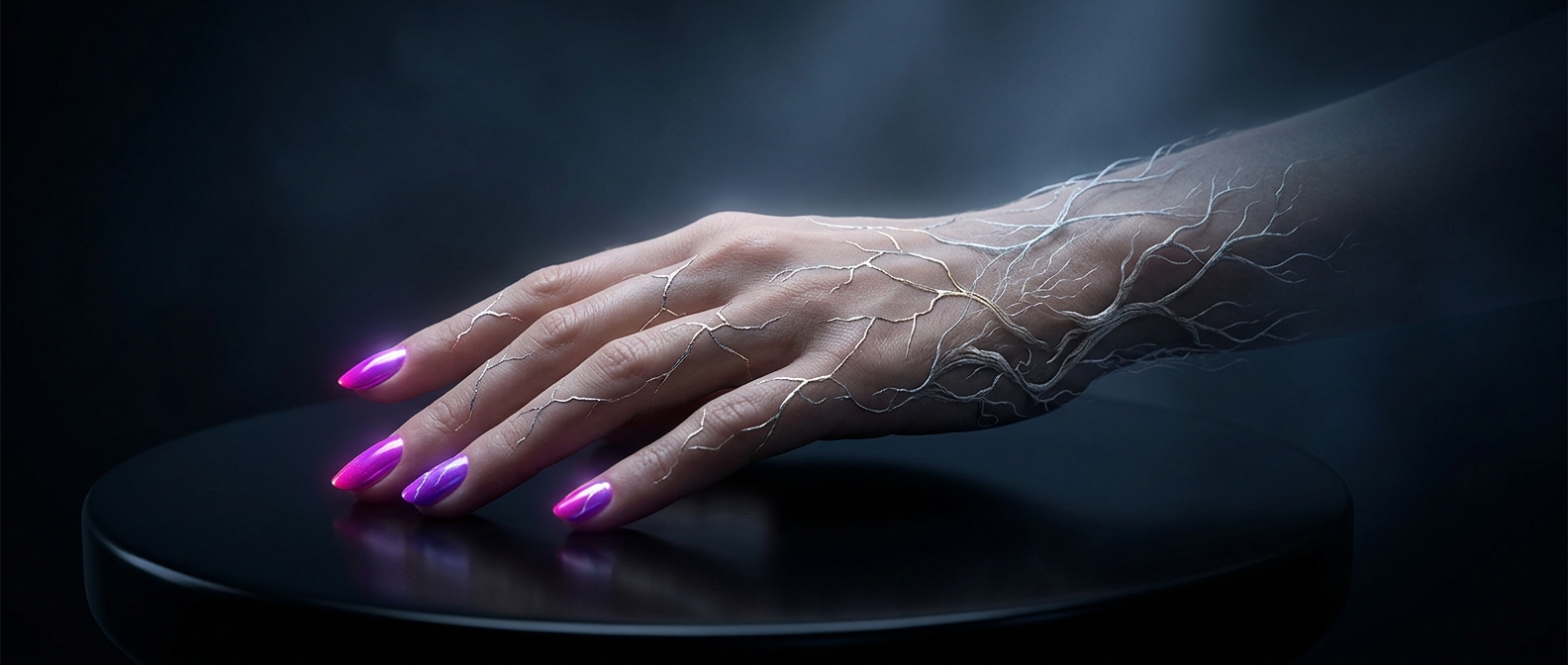
Why the lamp affects skin as well as polish
Gel polish contains ingredients that react to light and form a hard, durable coating. The lamp supplies the wavelengths needed to start that reaction. Many salon lamps are marketed as LED, but that describes the kind of bulb—not a guarantee that no ultraviolet light is emitted. The light is aimed at the nails, yet nearby skin on the fingers and hands can receive some exposure.
A small dose can add up over time
A manicure is a brief exposure, not the same as spending hours in strong sunlight. But ultraviolet light can damage skin cells, and repeated exposure is one contributor to long-term skin damage, including premature aging and skin cancer. The relevant question is therefore not whether one appointment is equivalent to sunbathing; it is whether the same patches of skin are exposed again and again over years.
People who want to reduce that exposure can use broad-spectrum sunscreen on the backs of their hands before an appointment or wear fingerless UV-protective gloves, leaving the nails uncovered. The practical tradeoff is simple: the lamp needs to reach the polish, not the surrounding skin—so shielding the hands can preserve the manicure process while reducing light reaching them.