How the nail matrix builds a nail
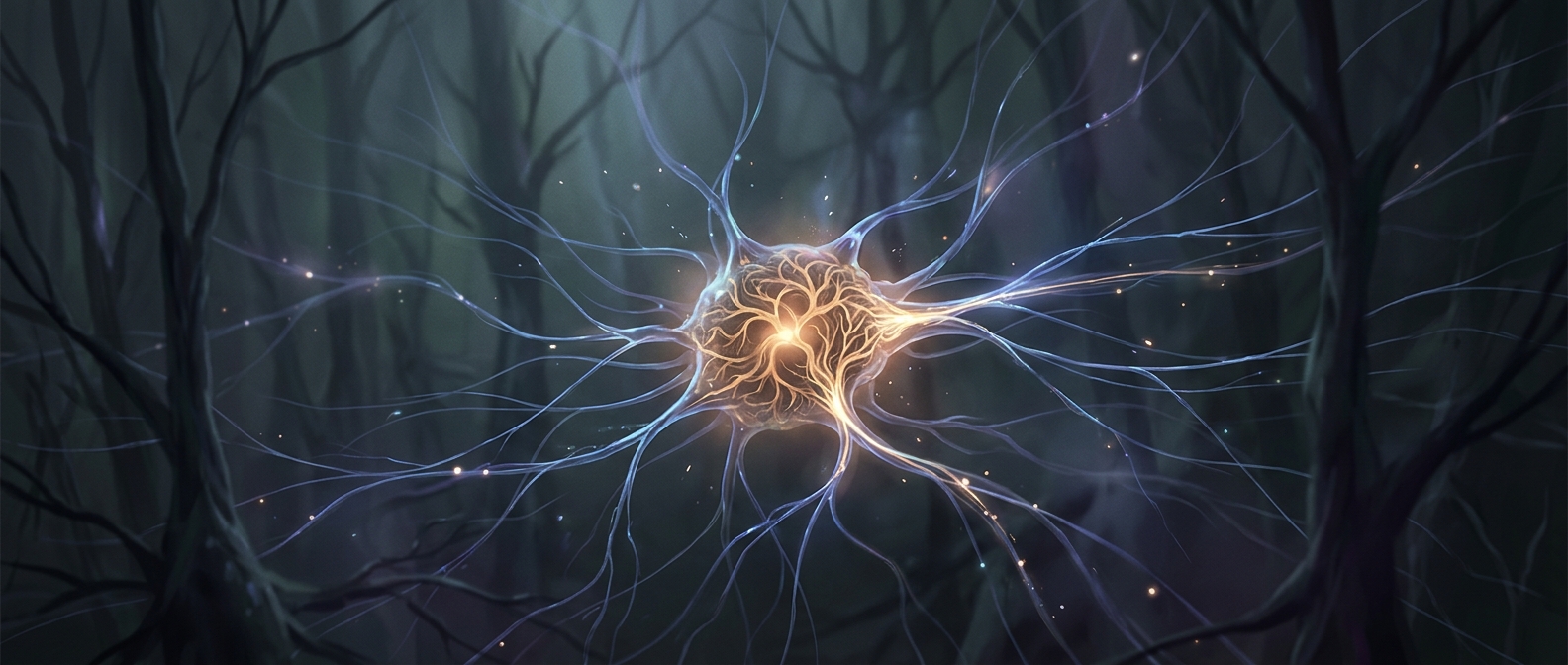
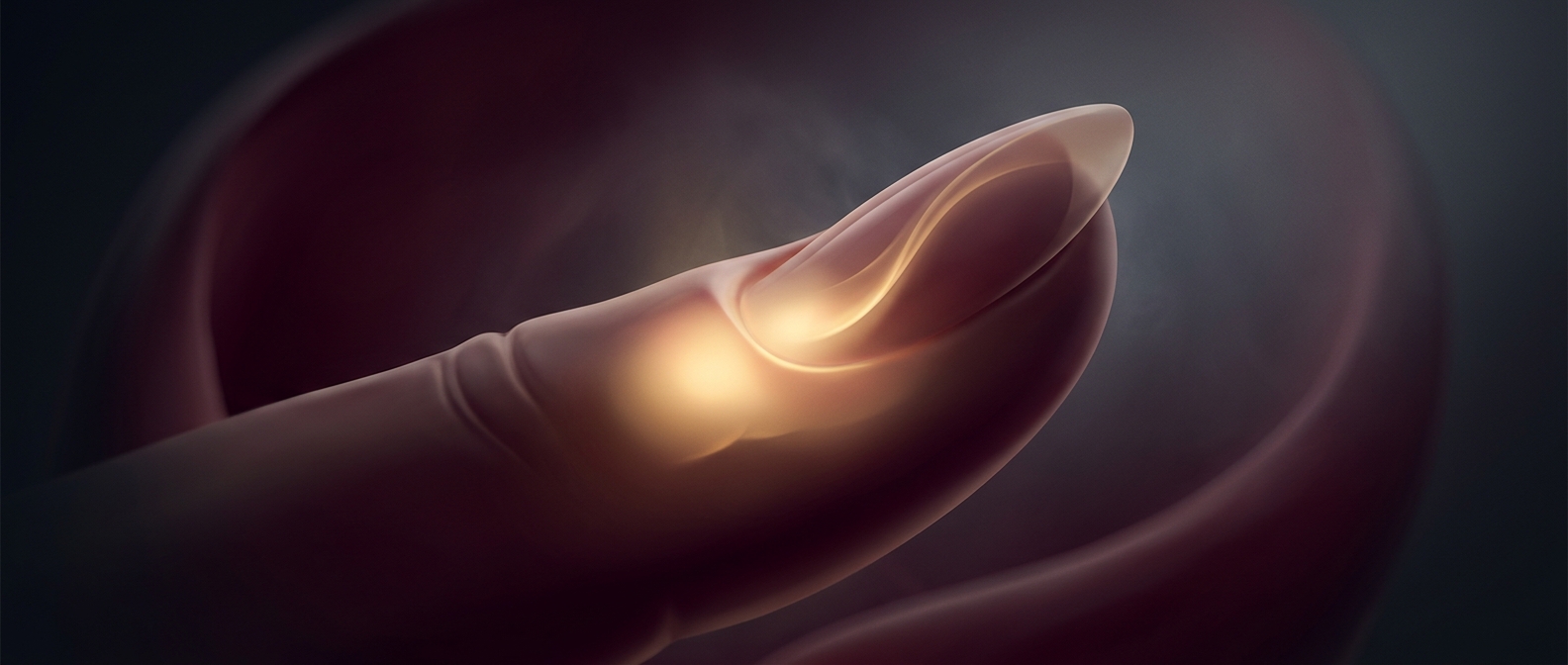
A nail does not grow from its exposed tip. Its hard plate is assembled at the base, where cells in the nail matrix divide, mature, and fill with keratin—the tough structural protein that also makes up hair’s outer layer. As newer cells form, they push older ones forward. The older cells flatten and harden into the nail plate that travels over the nail bed.
The cuticle helps cover the boundary between skin and nail, but the matrix itself lies beneath the skin at the base. The pale half-moon sometimes visible there, called the lunula, is the part of the matrix that can be seen through the nail; it is not the whole growth zone.
Why an injury can change the nail
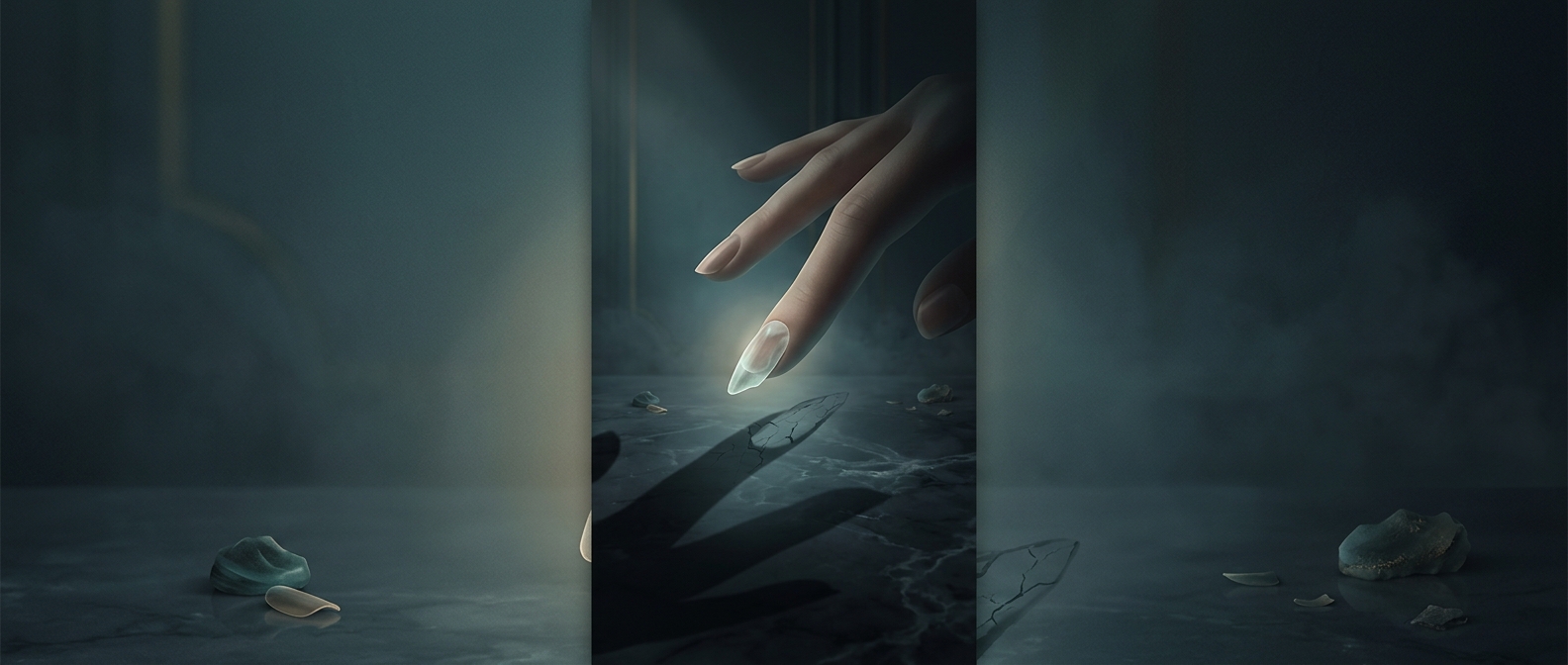
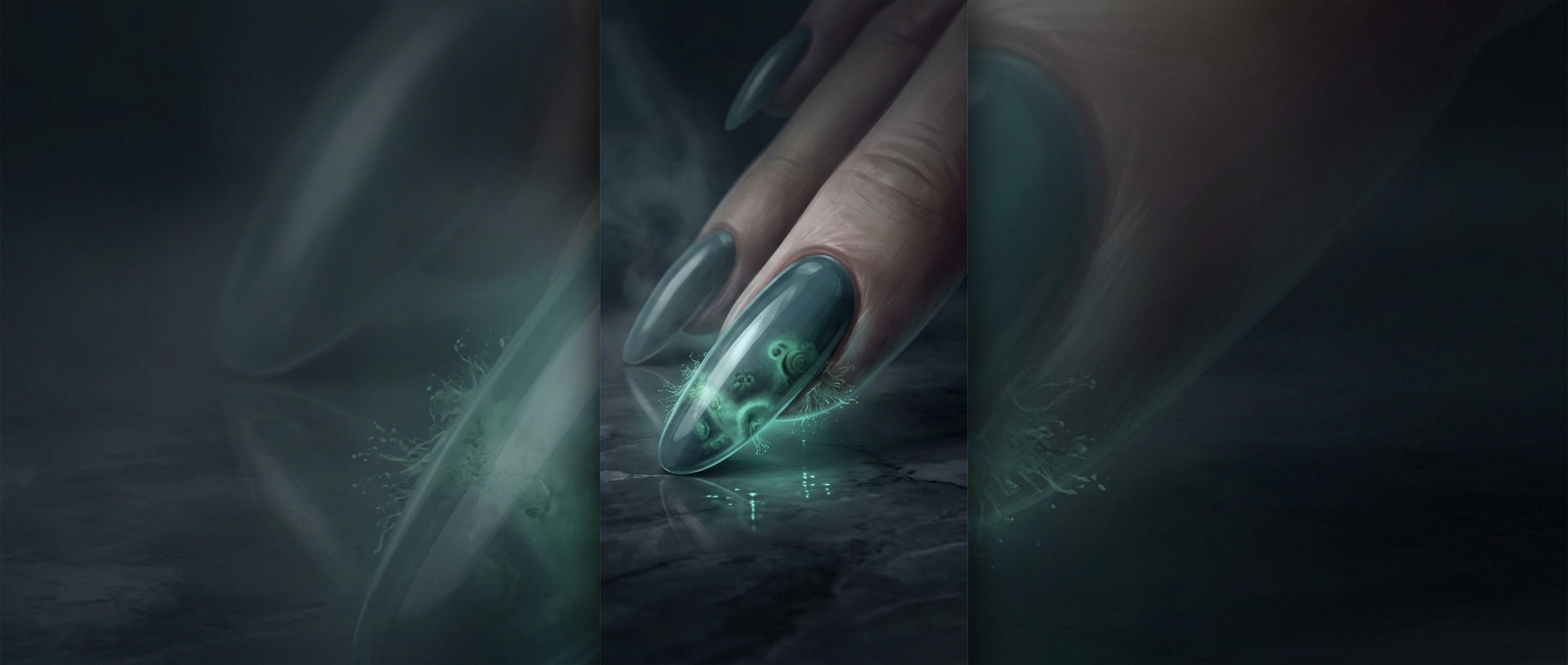
Because the matrix sets the plate’s material and shape as it forms, a deep cut, crush, burn, or infection near the base can disrupt the cells producing it. The result may appear later as a groove, split, ridge, or other irregularity moving toward the tip—not necessarily at the moment of injury. The delay reflects the nail’s slow journey from its origin to the exposed edge.
A minor disturbance may leave a mark that grows out with the nail. More extensive damage can alter the matrix’s structure, so later growth may remain uneven. That is why an injury near the base can matter more than a chip at the free edge: the chip removes finished nail, while matrix damage can affect the nail still being made.