Why removal can thin the nail
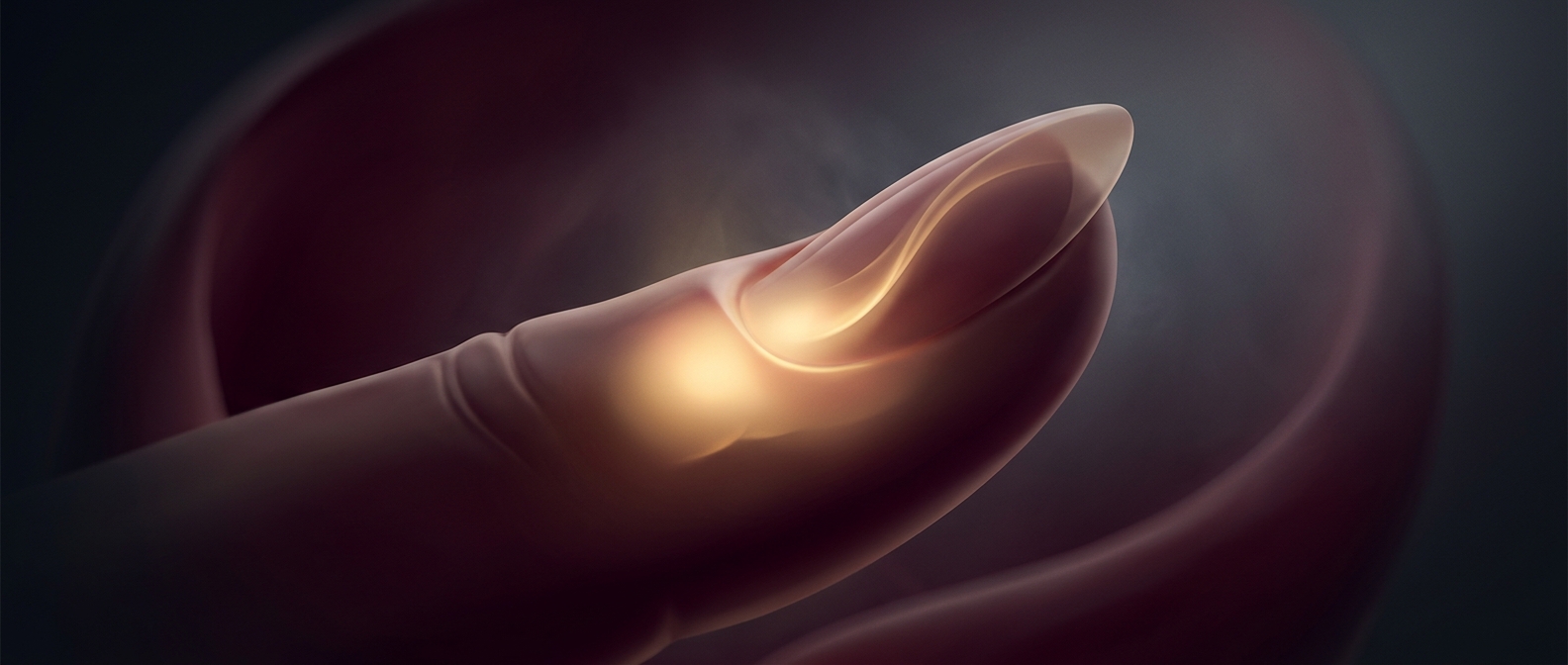
A fingernail is made of tightly packed layers of keratin, the same tough protein found in hair. Gel polish is designed to cling firmly, so taking it off can require soaking, gentle lifting, or filing. If the coating resists and is scraped or filed aggressively, the tool may remove part of the nail plate along with the polish.
That damage can be easy to miss at first. The nail plate is not living tissue, so it does not repair itself in place; it has to grow out from its base. Losing some of its layers leaves the remaining plate thinner and less able to resist bending.
Why thin nails feel tender
A thinner nail flexes more with ordinary pressure, which can make fingertips feel sore or unusually sensitive. The nail also offers less protection to the delicate skin beneath it. Repeated manicures with rough removal can compound the problem before earlier damage has grown out.
The practical difference is in the removal, not simply in wearing color: polish should not need to be pried off. Letting stubborn gel soften as directed and stopping rather than forcing it can help preserve the nail plate. If nails have already become thin, keeping them short and avoiding further scraping gives the damaged portion time to grow out—slowly, from the base.