Nails Get Their Oxygen From Blood, Not Air
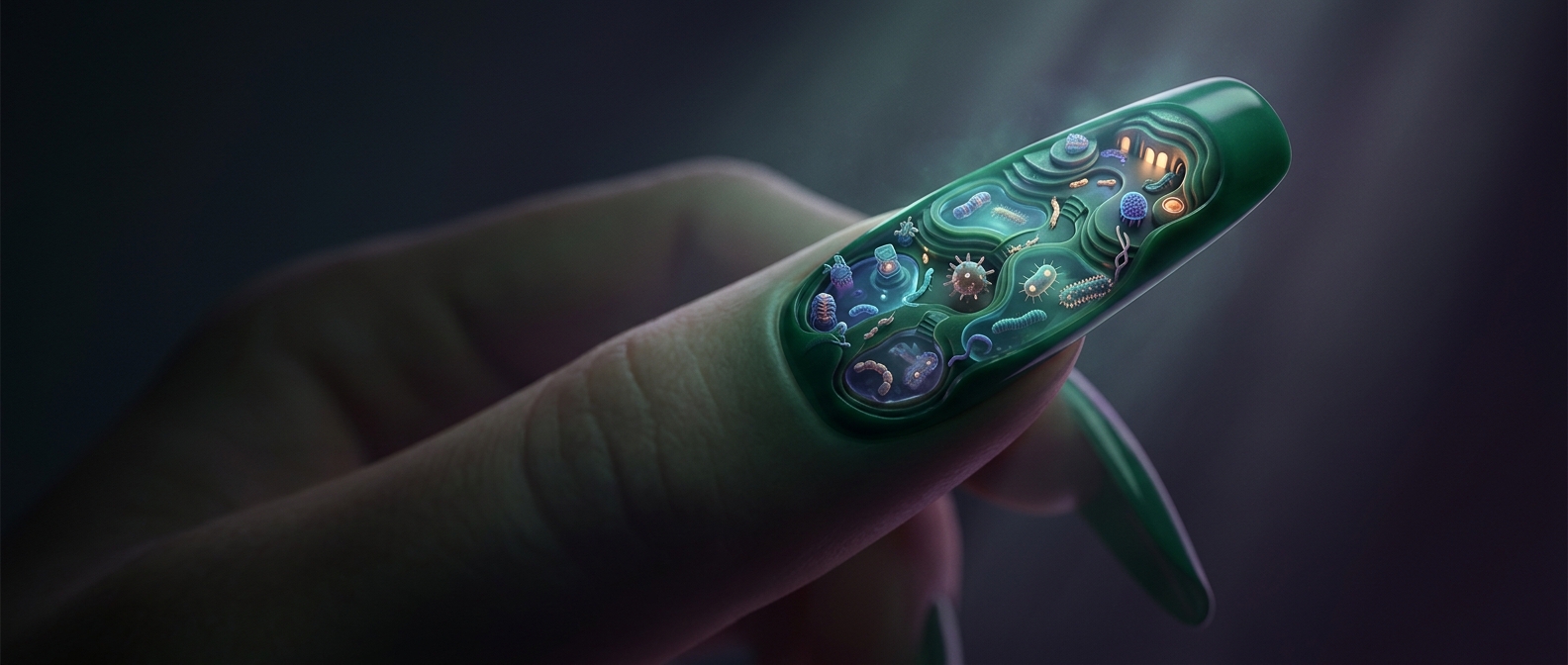
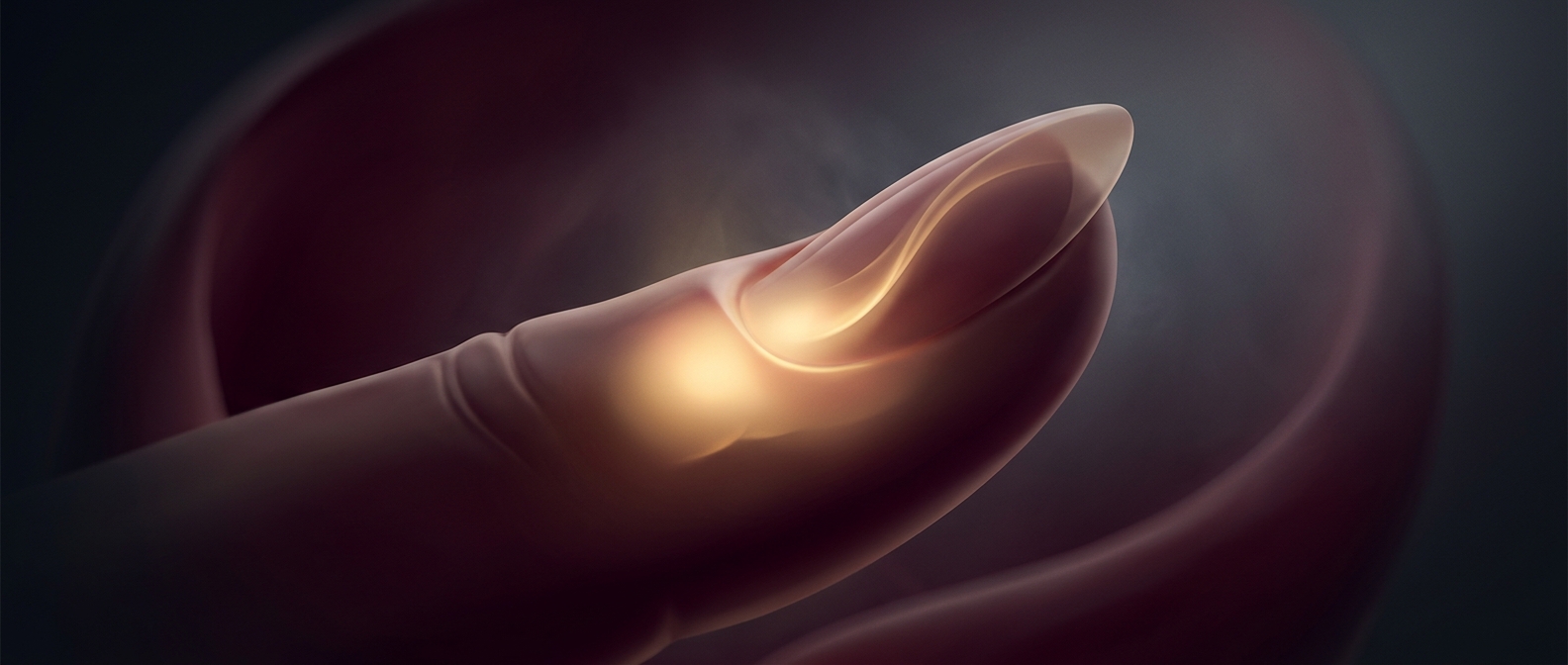
The hard part of a nail is a plate of tightly packed keratin—the same kind of protein found in hair. Because this plate is not living tissue, it has no oxygen-exchange pathway for polish to block. Living cells that form the nail receive oxygen and nutrients from blood beneath and behind the visible nail.
Polish can still change how nails look and feel. Pigments may stain the nail plate yellow, while repeated polish removal—especially scraping or peeling off polish—can roughen or strip layers from its surface, leaving it flaky. Solvents can also leave the surrounding nail and skin feeling dry.
What a Break From Polish Can—and Can’t—Do
Taking a break may let surface staining grow out and make it easier to notice changes in the nail. It does not give nails a chance to “breathe”; the nail plate does not breathe in the first place. Because nails grow gradually from living tissue at their base, discoloration caused by staining moves toward the tip as the nail grows.
The useful distinction is between appearance and oxygen supply: polish can stain or wear down the visible plate, but it does not shut off a vital breathing route.