Why a Hangnail Catches and Tears
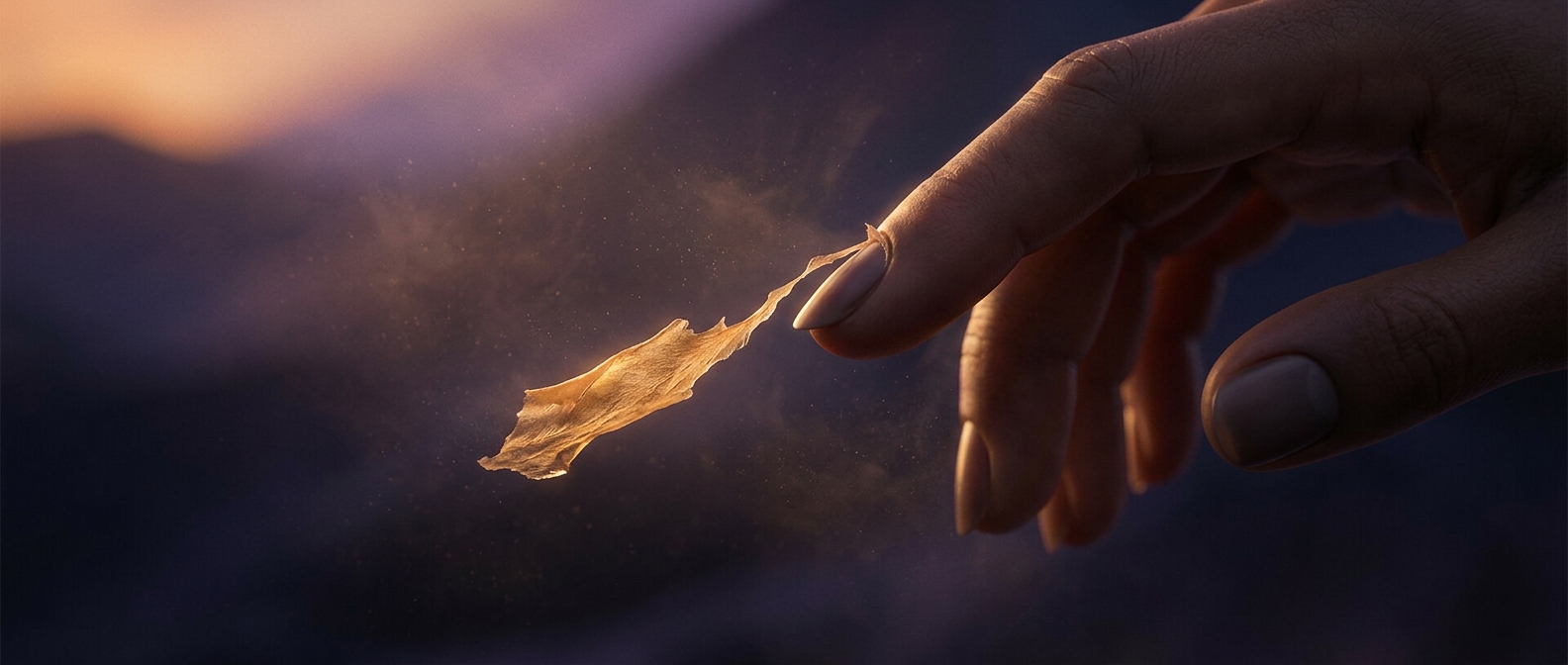
The skin around a nail forms a flexible seal between the outside world and the nail’s growing edge. At the sides, this thin skin can become dry, cracked, or snagged—especially after frequent handwashing, exposure to detergents, or picking at the nails. A loose edge catches on fabric or hair, making the little flap feel as if it belongs to the nail itself.
But the flap is skin, and its base may still be attached to sensitive tissue. Pulling it puts tension on that attachment. Instead of separating neatly, the tear can travel farther down the side of the nail, where it may bleed and hurt when touched.
Trim the Loose Edge; Don’t Tug
If a hangnail appears, wash your hands and use clean nail clippers or small scissors to snip only the loose piece, close to the skin without cutting into it. Moisturizer can help keep surrounding skin from becoming brittle and cracking again. Avoid biting or picking: those habits can create a larger break in the skin and introduce germs.
A hangnail is usually a minor nuisance, but the broken skin is a small opening in the body’s protective barrier. That is why a careful snip is less likely to turn a tiny snag into a sore, swollen fingertip.