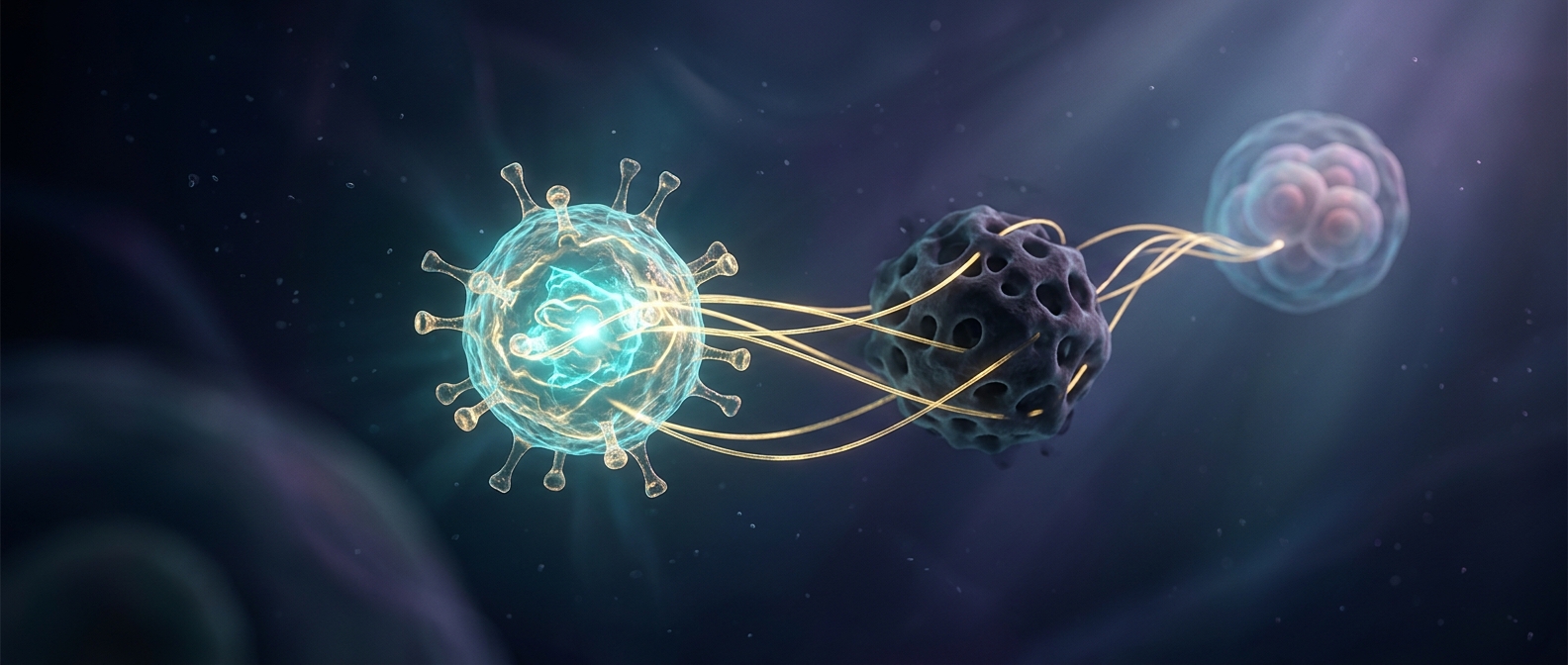
How HPV Turns a Patch of Skin Into a Wart
A wart begins when a human papillomavirus (HPV) infects cells in the epidermis, the skin’s outer layer. The virus can enter through tiny breaks in the skin—often too small to notice. Once inside, it uses the cells’ machinery to make more copies of itself. Infected skin cells multiply in a confined area, building up into the familiar rough bump.
The virus does not need to travel through the bloodstream to create that growth. The infected cells remain in the skin, so the result is a localized benign tumor: an overgrowth of tissue that does not invade nearby organs or spread through the body like cancer. Different HPV types tend to affect different areas of skin, which helps explain why warts can look or feel different depending on where they appear.
Why Warts Can Spread From One Spot to Another
As the outer skin sheds, virus particles can reach the surface and pass to another person through direct contact. They can also enter nearby skin through small abrasions, potentially producing additional warts. This is why picking or shaving across a wart can help spread infected skin cells locally, though not everyone exposed to HPV develops a visible growth.
The immune system can eventually recognize and clear the infection, but that response may take time. A wart’s persistence is therefore not evidence that it is growing deeper or becoming cancerous; it reflects HPV remaining in a small patch of outer skin while the body catches up.