Why a tiny gap can matter
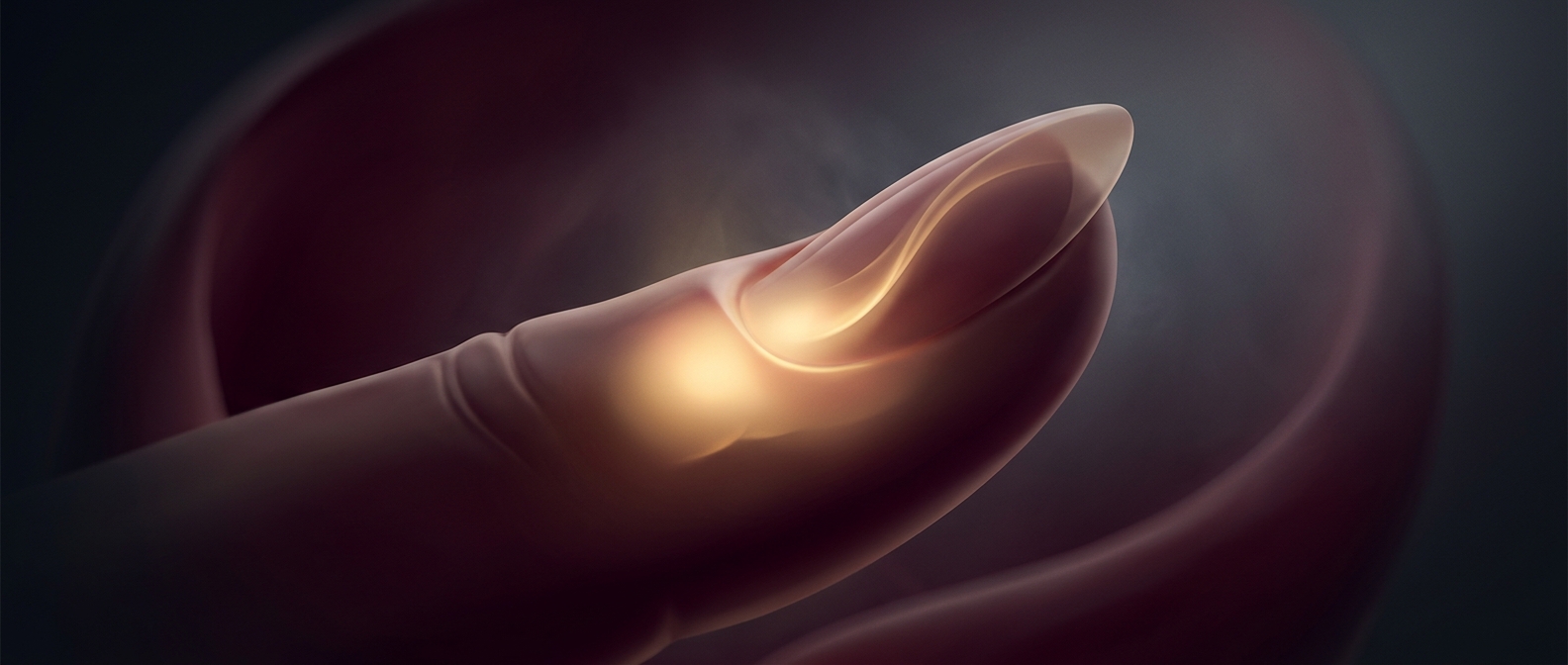
An acrylic extension sits over the natural nail, and the bond between them can loosen as the nail grows or the set experiences everyday wear. If a small gap opens, water, skin oils, and particles can collect underneath. The space is difficult to see and harder to clean than the exposed surface of the nail.
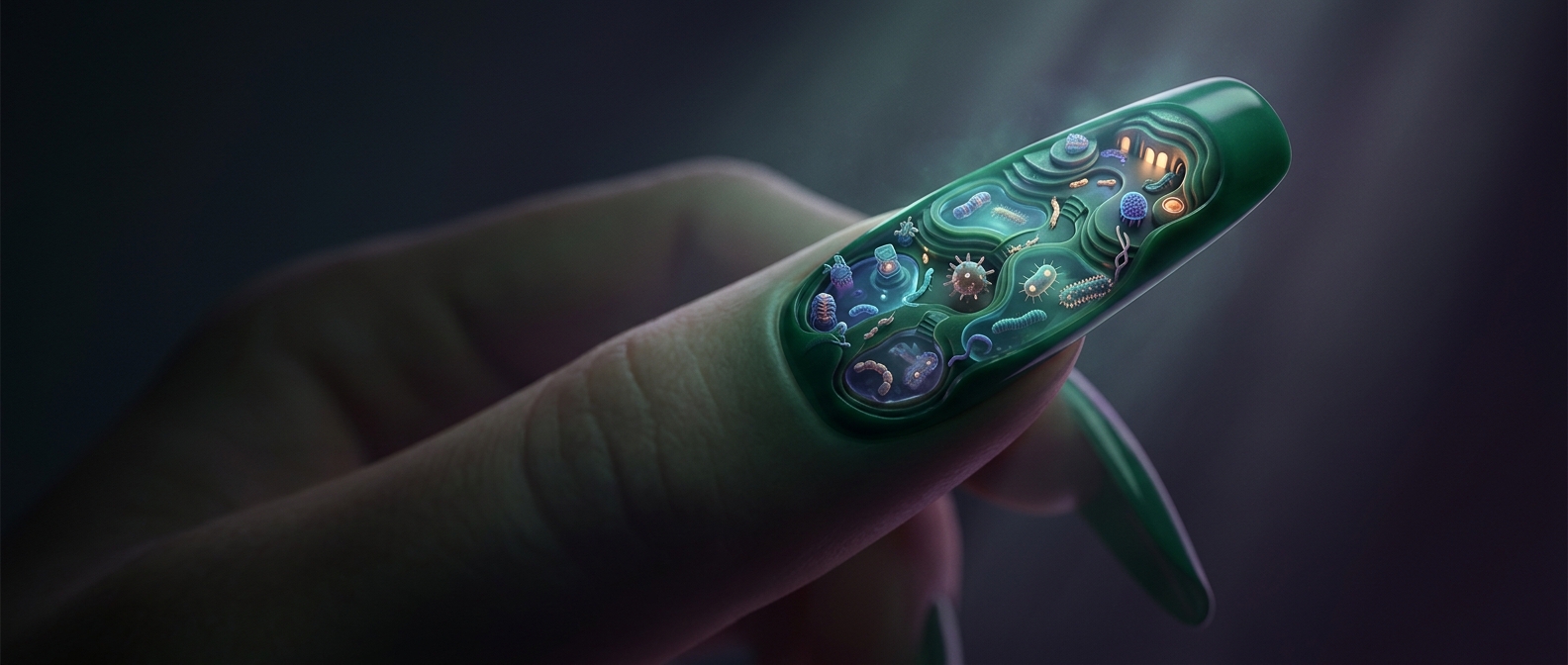
That sheltered pocket can stay damp longer than the surrounding skin. Bacteria and fungi are more likely to multiply when moisture and organic debris remain available, especially if the gap persists. The acrylic does not itself create an infection; it can make a place where microbes are harder to remove and conditions more favorable for growth.
How the gap becomes a problem
A lifted edge can widen when it catches on clothing or objects, or when someone picks at or pries up the extension. Trying to seal or glue down a lifted section may trap moisture rather than solve the problem. Keeping the area dry and having a loose or damaged set safely removed helps avoid leaving that pocket covered.
Redness, swelling, pain, or unusual discoloration around or beneath a nail can signal a problem that needs attention. The practical lesson is that a neat-looking surface does not always reveal what is happening underneath: the bond matters as much as the visible polish.