Why the hairline takes the strain
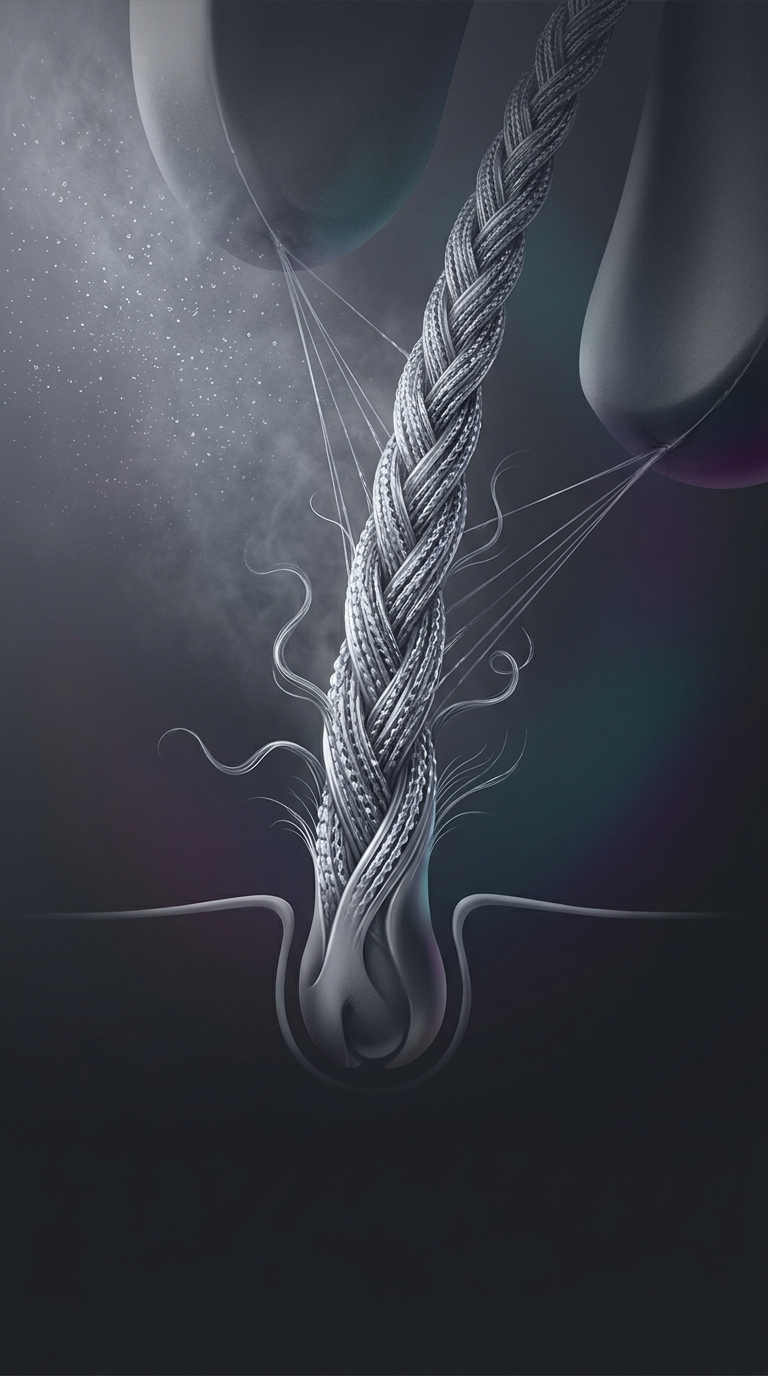
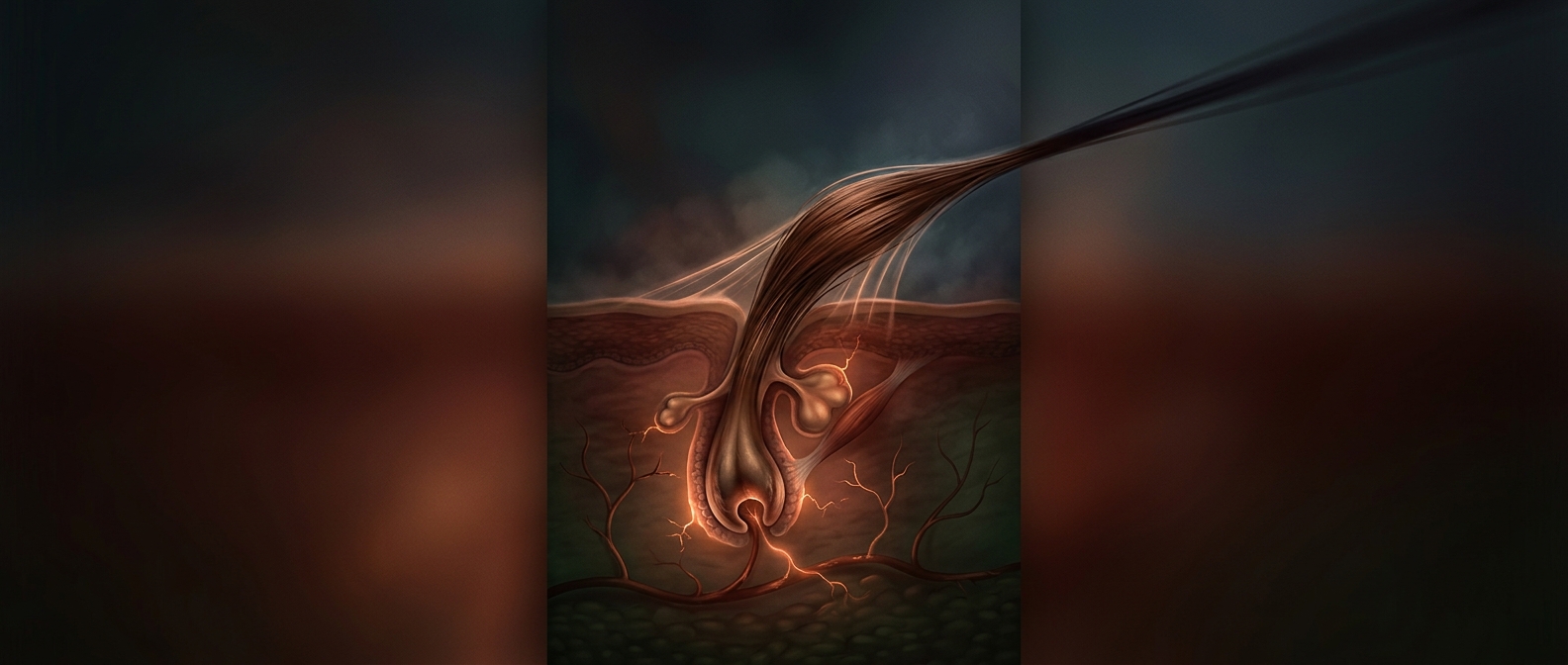
A ponytail gathers many hairs and pulls them toward one point. When it is tight, the hairs at the temples and front edge often bear the greatest force, because they are anchored at the hairline while being drawn backward. The pull is not limited to the visible strands: it is transmitted to the follicles, the small structures in the skin that grow hair.
From repeated pulling to thinning
A single tight style may cause soreness without lasting damage. The concern is repeated tension over time. A stressed follicle can become irritated, and its hair may break or shed; with continued pulling, the follicle can be damaged enough to stop producing hair. This pattern of hair loss from sustained tension is called traction alopecia.
It often shows up first as shorter, broken hairs or thinning along the temples and hairline—the places under the most strain. Tenderness, bumps, or a tight, uncomfortable feeling can be signs that a style is pulling too hard, rather than harmless discomfort to ignore.
The damage can become permanent
If the pulling stops early, hair may grow back as the follicles recover. But long-lasting traction can scar and permanently destroy follicles, making regrowth unlikely. Looser styles, changing where the hair is gathered, and avoiding hairstyles that hurt can reduce repeated stress. If thinning continues or the skin looks inflamed, a dermatologist can assess whether traction is the cause.
The practical warning is simple: a ponytail should not need to hurt to stay in place. Persistent pulling can turn a temporary hairstyle into lasting hairline loss.