How a claw became a nail
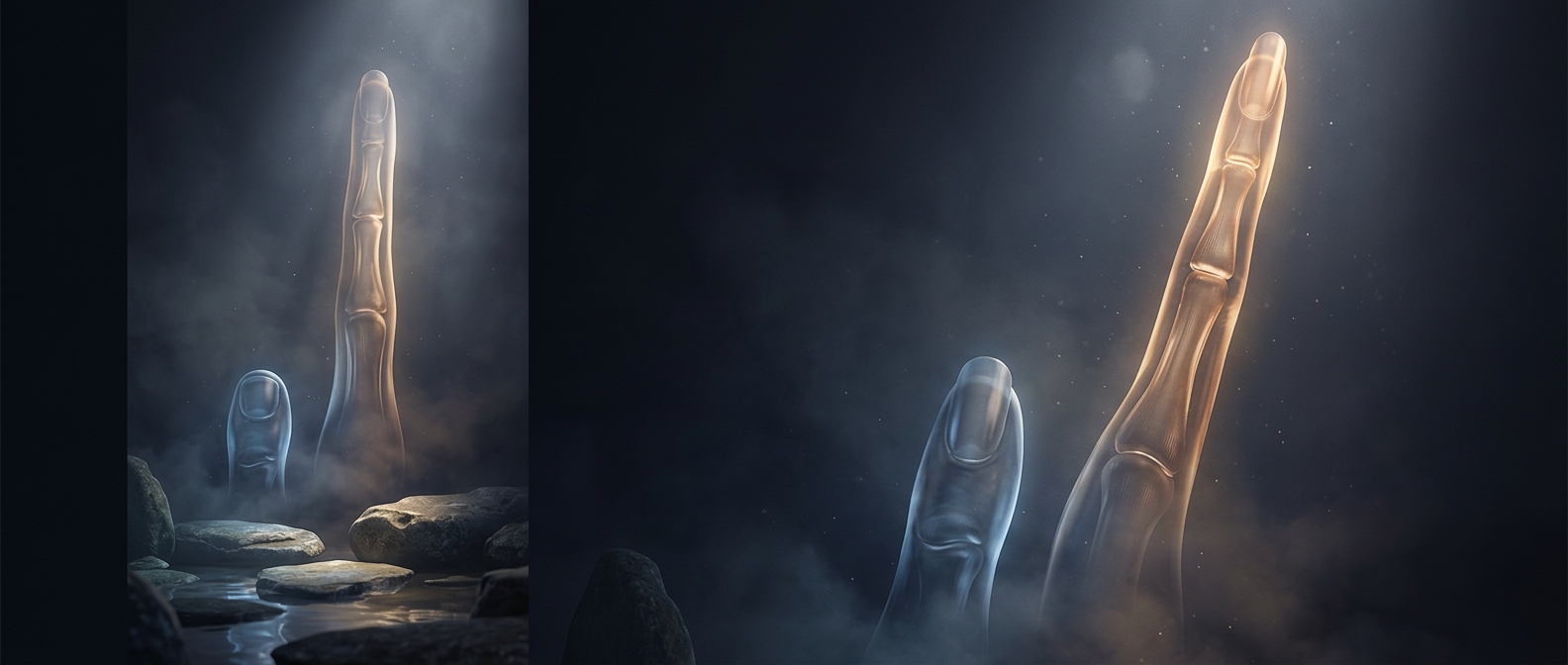
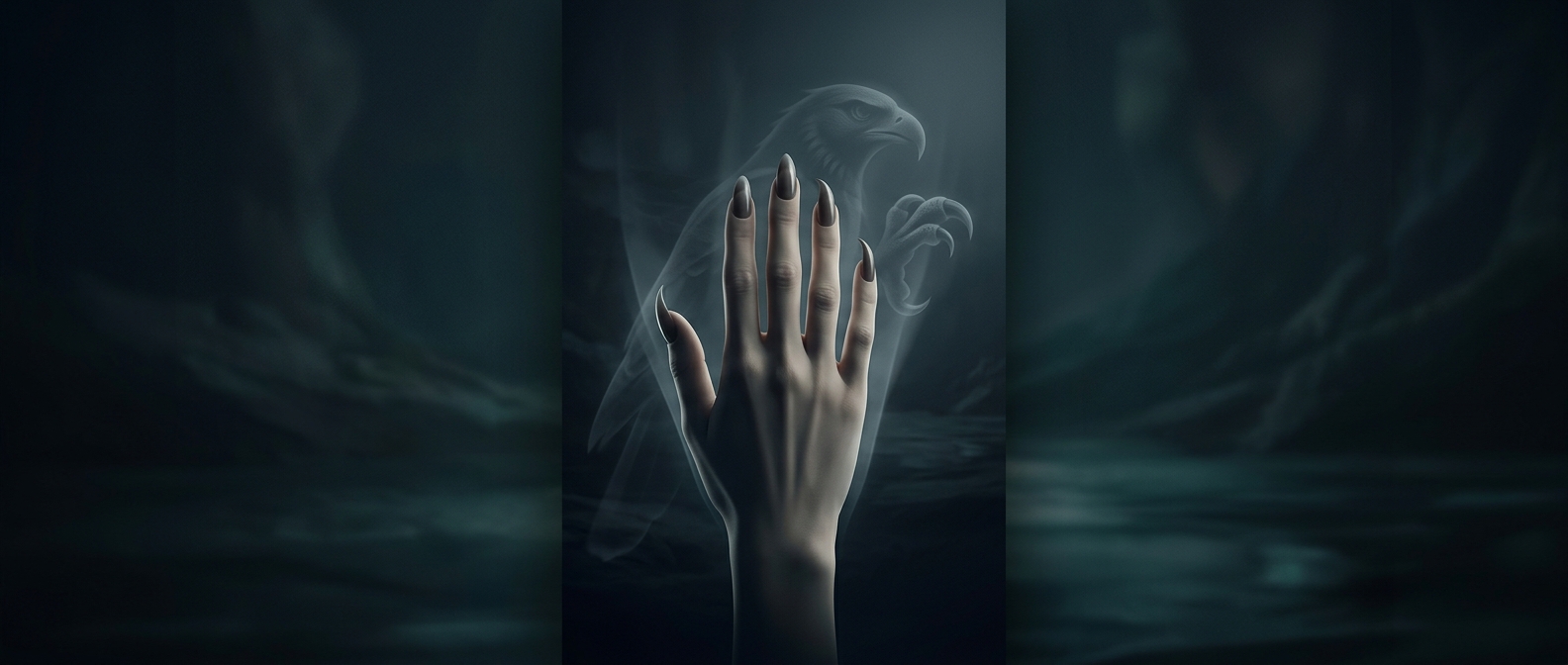
Fingernails and claws are built from the same tough material: keratin, the structural protein also found in hair. Both grow from living tissue near the base and harden as their cells fill with keratin and die. The difference is largely one of shape and growth: a claw curves around the end of a digit, while a human nail forms a relatively flat plate on top.
That flat plate is not just a smaller, blunter claw. It works with the soft, sensitive fingertip beneath it. When you press a fingertip against an object, the nail provides firm backing, helping the pad resist bending and making small touches and grips easier to control. It also shields the exposed top of the fingertip from everyday knocks.
From grasping to fine handling
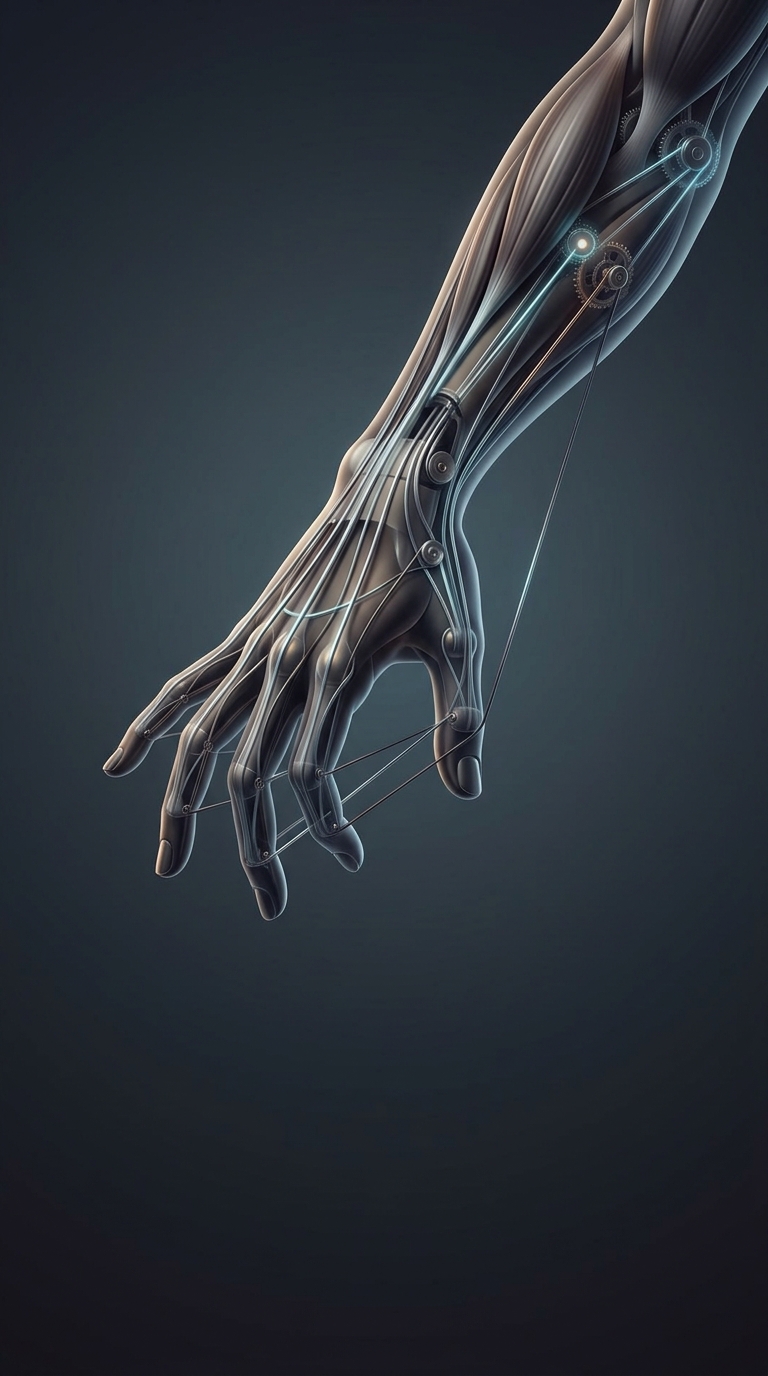
In primates, broad fingertips and flatter nails are associated with grasping branches and handling objects. A curved claw can hook or tear; a flatter nail leaves more of the fingertip available to meet a surface. That combination is useful for tasks such as picking up a tiny seed, turning a page, or feeling a textured edge.
The nail’s hard free edge adds leverage for small jobs—scraping residue or lifting a thin tab, for example—but it is not a miniature tool designed for heavy prying. The plate can crack or peel because it is layered keratin, not a solid piece of bone. Its everyday usefulness comes from the partnership between a modestly hard edge and a sensitive fingertip, not from claw-like force.