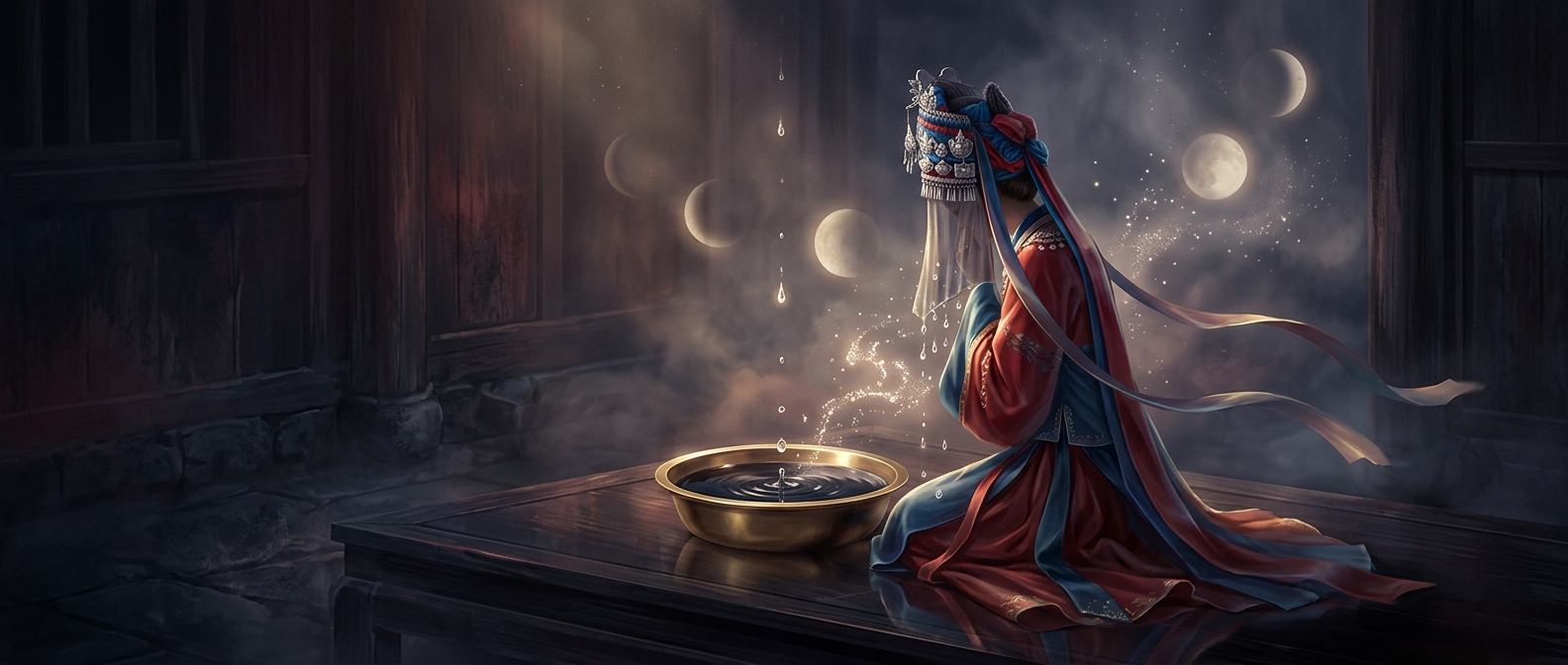
Why a wedding month became a “honeymoon”
The familiar origin story links the honeymoon to mead, an alcoholic drink made by fermenting honey. In the tradition as it is commonly told, newlyweds drank it for a lunar month—the roughly month-long cycle of the Moon—with the drink thought to encourage fertility. The pairing makes intuitive sense: honey suggested sweetness, while a month gave the couple a defined stretch of time after the wedding.
The word carries a second meaning
“Honeymoon” also evokes a sweetness that may not last. In older usage, the phrase could refer to the first, happiest period of marriage, with the Moon’s changing phases suggesting that the sweetness would fade. That image helps explain the word even apart from the mead story.
The honey-and-mead account is often repeated as the word’s origin, but it is better treated as a traditional explanation than as a firmly established account of how the English word arose. The two ideas nevertheless fit neatly together: a month of honeyed drink for newlyweds, and a brief season of marital sweetness. The lasting image is not simply a vacation after the wedding, but a first month imagined as both sweet and temporary.