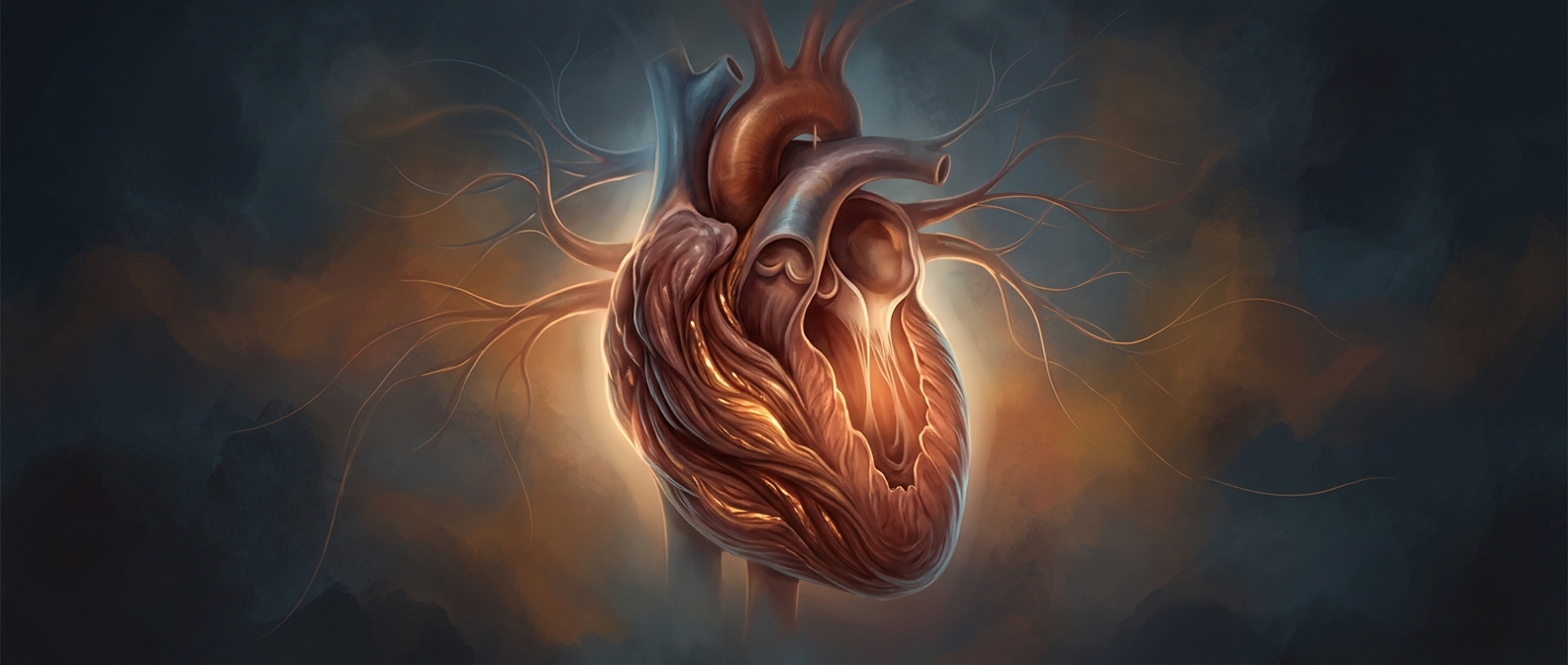
Why the daily total climbs so high
A day contains 1,440 minutes, so even a heart beating once every second would squeeze 86,400 times. At a rate of about 70 beats per minute, the arithmetic reaches roughly 100,800 beats. The large total is less a sign of extraordinary strain than a consequence of repeating a small, essential action throughout every minute of the day.
The pace changes with the body’s needs
Your heartbeat is coordinated by electrical signals that tell the heart muscle when to contract. The pace is not fixed: it tends to rise when you move, because working muscles need more oxygen, and ease when you rest or sleep. Emotions, illness, and other conditions can also affect it. The day’s total is therefore an accumulation of many faster and slower stretches, not a steady count at one rate.
Each squeeze pushes blood forward, while the next beat follows as the heart refills. That rhythm lets the body adjust blood flow as demands change—speeding up for a climb, then slowing again when the effort ends. The striking part is not simply the number of beats, but how quietly the heart continually matches its pace to what the rest of the body is doing.