Why a toddler’s teeth can feel surprisingly sharp
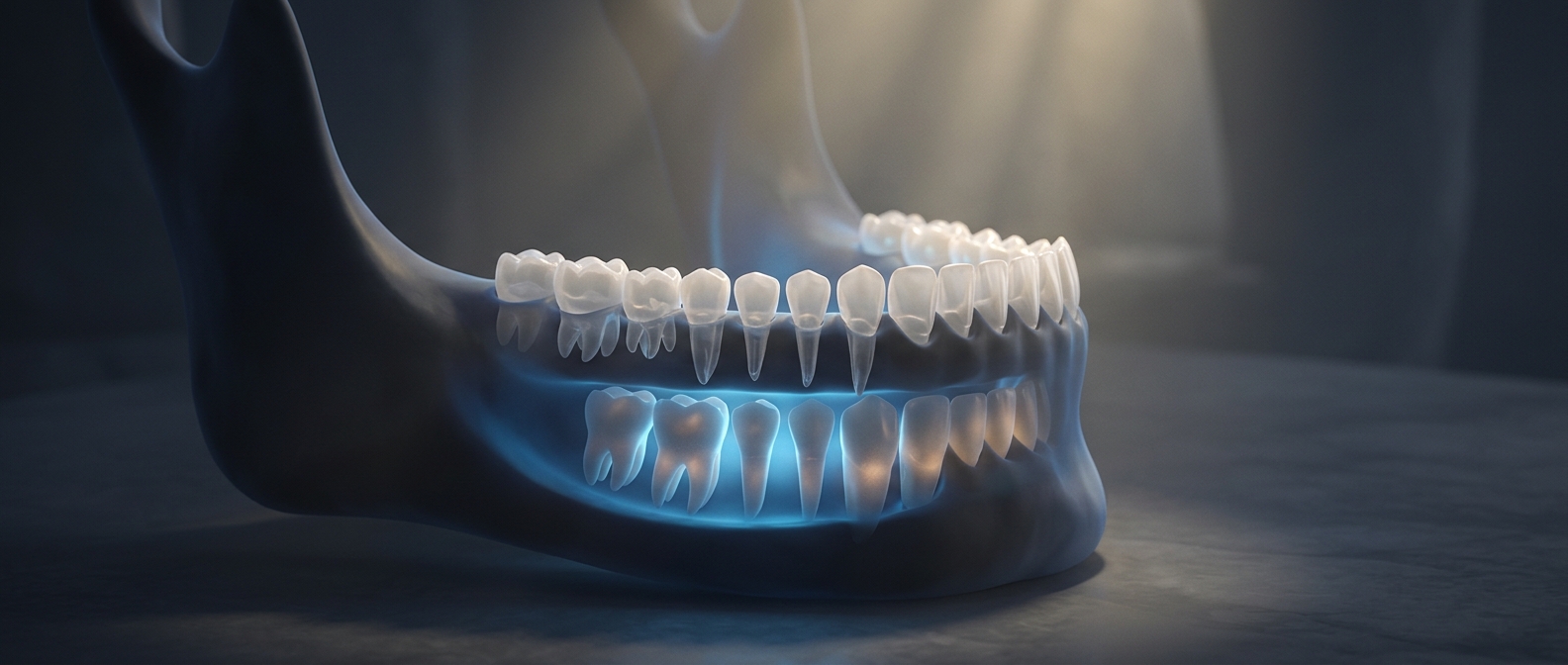
A baby tooth is small, but its edges can still make a clean cut. The front teeth—incisors—meet like little blades, slicing food as the jaws close. The pointed canine teeth help tear it. Farther back, the broader molars crush and grind. Together, these shapes let a child break food into manageable pieces without needing the force of a powerful adult bite.
Tooth shape does the first part of the work
Chewing is a partnership between teeth and jaw muscles. Teeth concentrate pressure onto a narrow edge or point; that focused pressure helps start a cut or tear. The jaw then supplies the movement and force to finish the bite. A toddler’s developing muscles may be less powerful than an adult’s, but they can still use the teeth’s shape to break down many everyday foods.
Baby teeth are also smaller than permanent teeth, so their edges can seem especially fine against a little finger—or when a child nips while nursing or playing. How sharp a tooth feels depends on its shape, how it has worn, and where it is in the mouth; it is not a special blade built only for toddlers. As the primary teeth gradually wear and are replaced, the child’s larger permanent teeth take over the same basic jobs: cutting, tearing, and grinding.