Why the jawbone changes after a tooth is lost
A tooth is anchored in the alveolar bone, the part of the jaw that surrounds its roots. Each time you bite, force travels through the tooth and its ligament into that bone. The bone is living tissue: it continually breaks down and rebuilds in response to the loads placed on it.
When a tooth is removed, that spot no longer receives the same chewing forces. The body gradually remodels the unused ridge of bone, and it can become narrower and lower. This process is most pronounced around the missing tooth; it does not mean the entire jaw suddenly shrinks.
When missing teeth affect facial shape
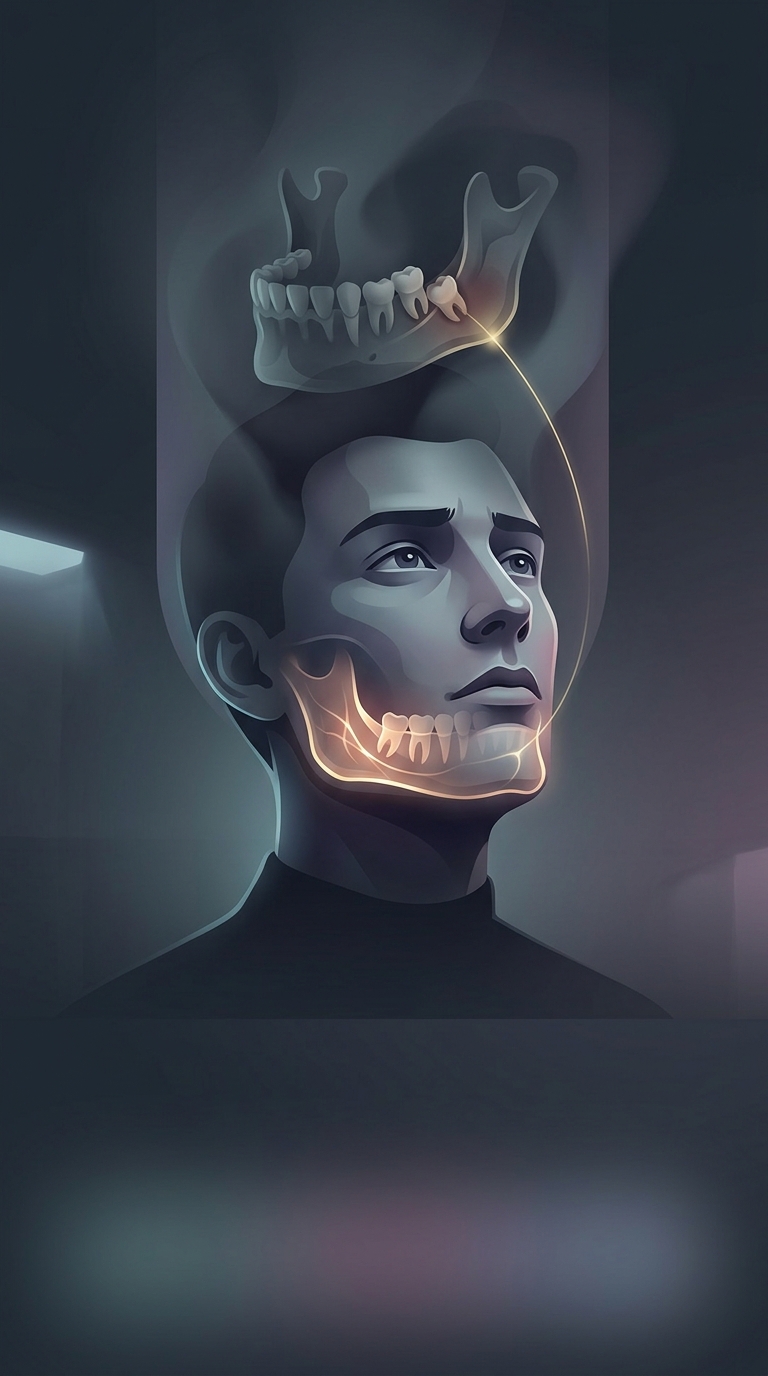
One gap may cause little visible change. But when several teeth are missing—especially over time—the loss of bone and dental support can affect the lower face. Teeth help set the distance between the jaws and support the lips and cheeks from within. As that support diminishes, the mouth area may look more sunken, and the lower face can appear shorter or more collapsed.
The change varies from person to person. How many teeth are missing, where they were, and how much bone remains all matter. The key point is that teeth are not just visible parts of a smile: their roots help maintain the jaw ridge that supports the face.