How a baby tooth helps guide the next one
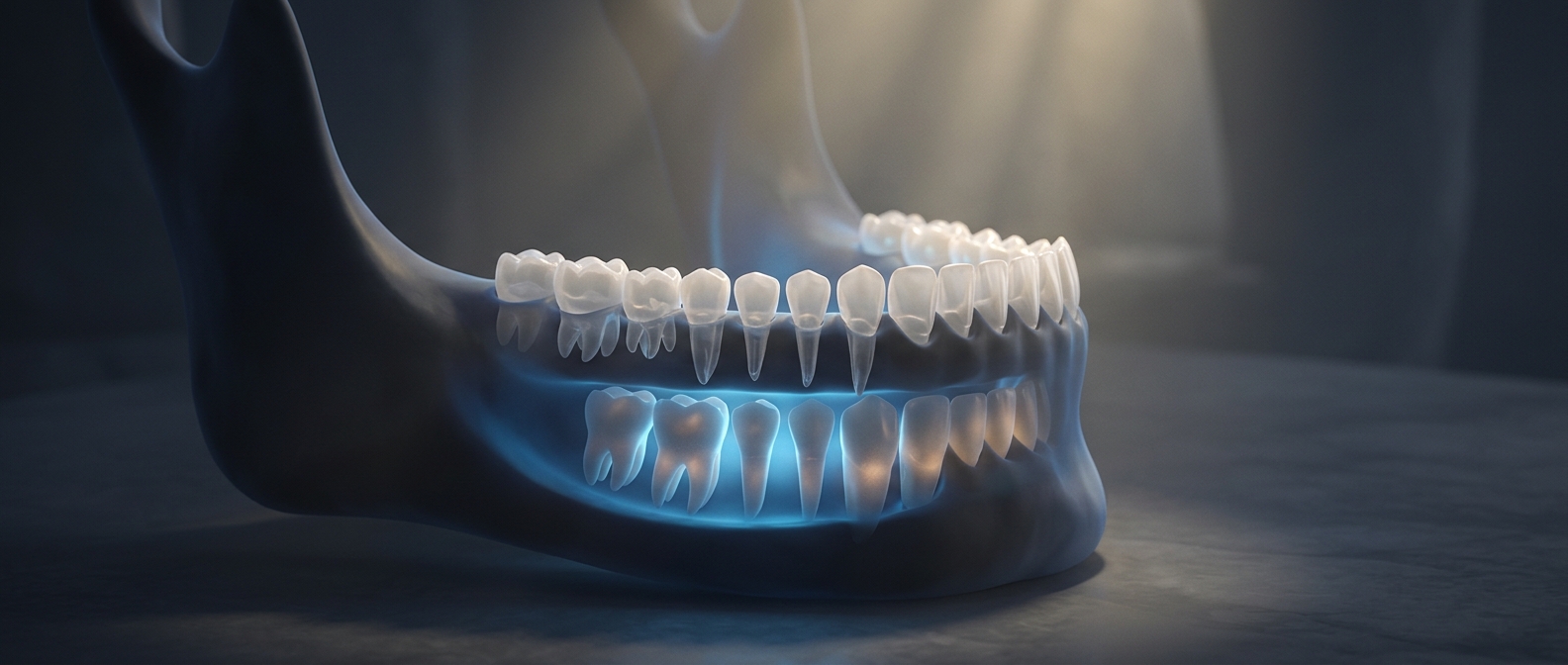
A developing permanent tooth does not simply push straight up through an empty gap. It forms within the jaw, then gradually moves toward the mouth as the roots of the baby tooth above it break down. The baby tooth’s position helps preserve the spacing and alignment of the teeth around it during that transition.
If a baby tooth is lost too early—from decay, injury, or extraction—the neighboring teeth can tip or drift into the opening. That movement can narrow the path available to the permanent tooth that is still developing below. The result may be crowding or a tooth that emerges out of line; the risk depends on which tooth was lost, when it happened, and the child’s overall dental development.
Why dentists sometimes preserve the gap
When a baby tooth has to come out before its successor is ready, a dentist may recommend a space maintainer: a small appliance that keeps nearby teeth from moving into the opening. It does not create room or straighten teeth; it helps retain the existing gap until the permanent tooth is ready to emerge. Not every early loss requires one, so the dentist considers the child’s growth and the position of the developing tooth.
That is why a temporary tooth can matter long after it is gone: its timing and location influence the route the next tooth has available.