Why enamel is thin but tough
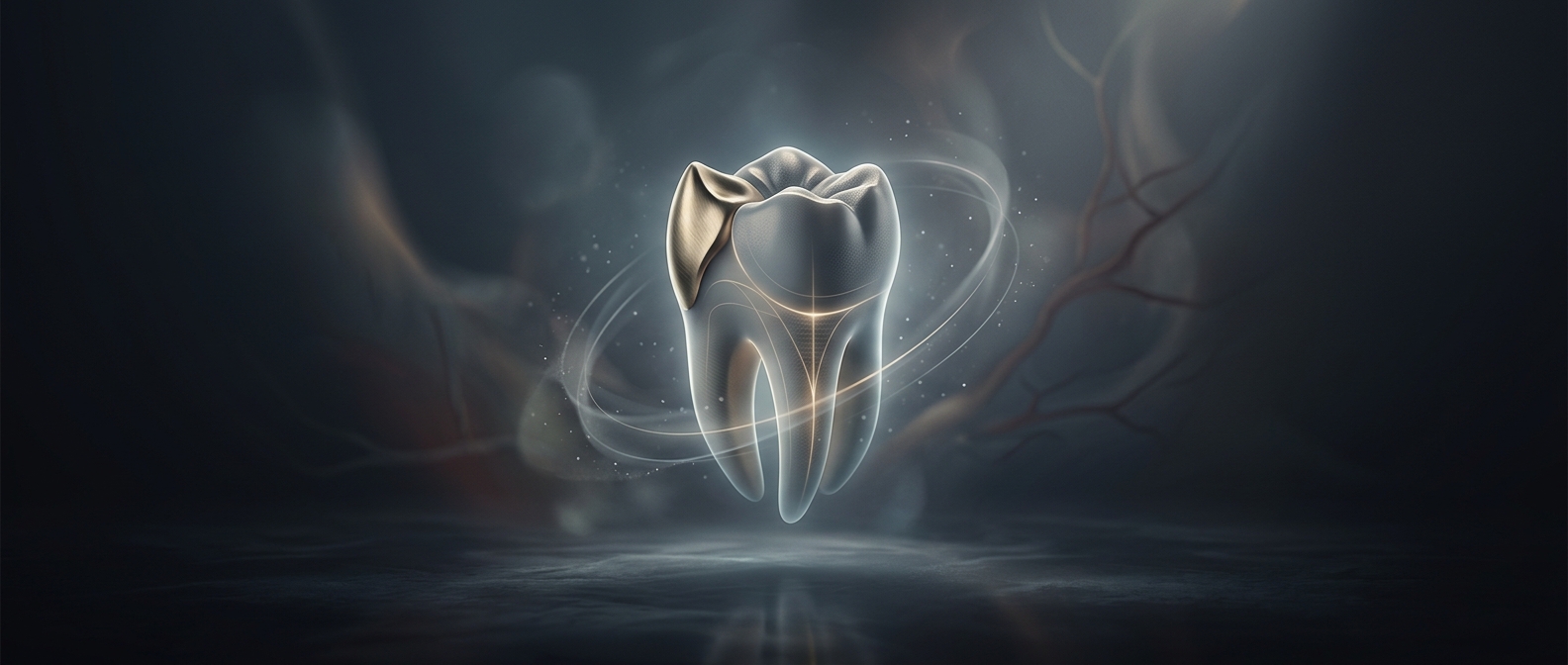
Tooth enamel is the mineral-rich outer covering of the visible crown. Its thickness varies across the tooth: it is generally greatest over the chewing surfaces and thinner near the edges. Although it can withstand ordinary biting forces, enamel is brittle rather than flexible. A sudden impact can crack or chip it, while repeated friction and pressure can gradually wear it down.
What happens when it wears away
Enamel has no living cells, so the body cannot rebuild a lost layer the way it repairs skin. Saliva can help replace some minerals in enamel that has only begun to soften, but it cannot restore tooth structure that has already chipped or worn away. As the protective covering thins, the softer layer beneath it—dentin—may become exposed. That can make teeth more sensitive and leave them more vulnerable to further damage.
Why ice can be hard on teeth
Ice is not just cold; it is a hard object that can put concentrated force on a small part of a tooth. Biting down on a cube may cause an immediate chip, especially if the tooth already has a crack or filling. Chewing ice habitually can also subject enamel to repeated stress. The risk is not that every bite will damage a tooth, but that a thin, nonrenewable covering has limited room for repeated impacts. Letting ice melt instead of crunching it avoids that particular strain.