How a thin film can damage teeth
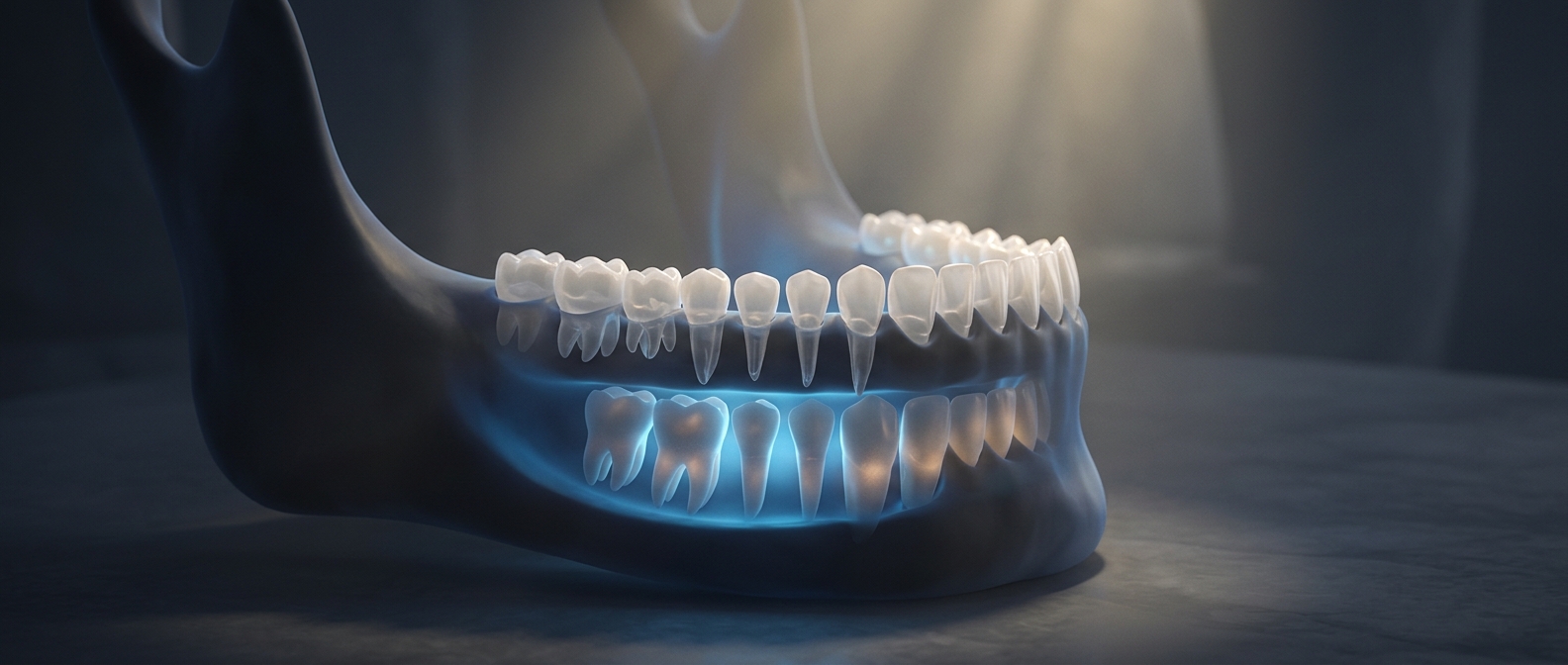
Plaque is a community of bacteria held together in a sticky matrix on tooth surfaces. It begins forming again soon after brushing, attaching to a thin coating that naturally develops on teeth. Because the film clings closely—and can collect along the gumline and between teeth—a quick rinse does not reliably remove it.
When plaque bacteria use sugars and other fermentable carbohydrates from food and drinks, they produce acids. Those acids draw minerals out of enamel, the hard outer layer of a tooth. Saliva helps neutralize the acids and restore some minerals, but repeated acid attacks can outpace that repair and eventually lead to a cavity.
Brushing breaks up the bacterial neighborhood
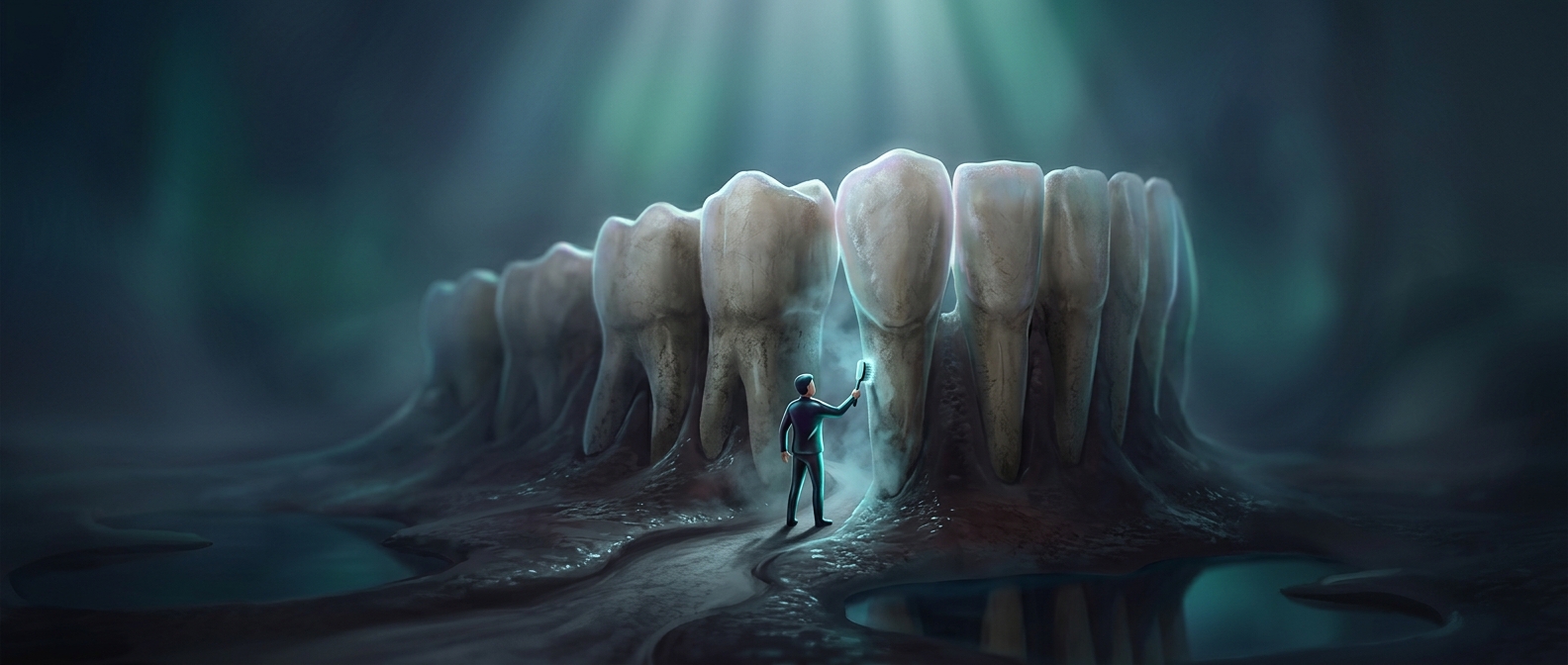
A toothbrush works mainly by physically disrupting plaque, rather than by making teeth sterile. Its bristles sweep film from the surfaces they reach; cleaning along the gumline matters because plaque left there can irritate the gums. A soft-bristled brush and gentle, thorough strokes help clean without needless pressure. Floss or another interdental cleaner reaches the narrow spaces a brush may miss.
Removing plaque regularly also prevents it from sitting undisturbed long enough to become harder to clear. The practical point is not to scrub until teeth feel polished, but to interrupt the film in all the places it gathers—especially the edges and gaps that are easy to overlook.