A movable brace between arm and chest
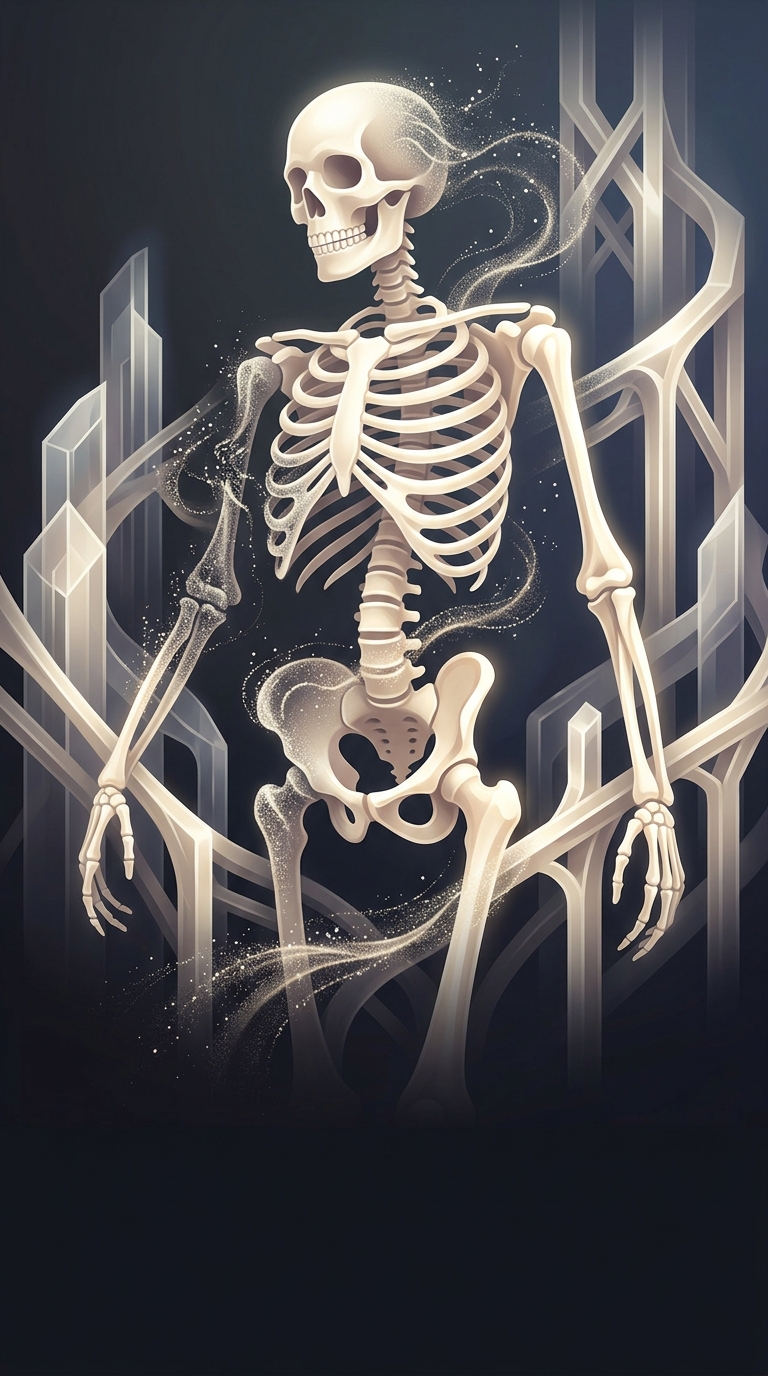
The clavicle, or collarbone, is unusual because it connects the arm’s shoulder region to the central skeleton. At one end, it meets the breastbone; at the other, it meets the shoulder blade. The shoulder blade itself rests against the back of the rib cage rather than forming a rigid joint with it, so the clavicle provides the bony link that keeps the shoulder positioned away from the chest.
That link is not a fixed bar. As you reach overhead or across your body, the shoulder blade shifts over the ribs, and the clavicle turns slightly at both ends. This coordinated movement lets the arm travel through a broad arc while the shoulder remains supported. The bone’s gentle S-shaped curve also helps it accommodate forces rather than behaving like a perfectly straight, rigid rod.
Why the brace matters
When the hand pushes or pulls, force travels from the arm through the shoulder blade and clavicle toward the trunk. The clavicle helps spread that load across the chest instead of leaving the shoulder blade unsupported. Its position also keeps the shoulder from collapsing inward, which would restrict the arm’s reach.
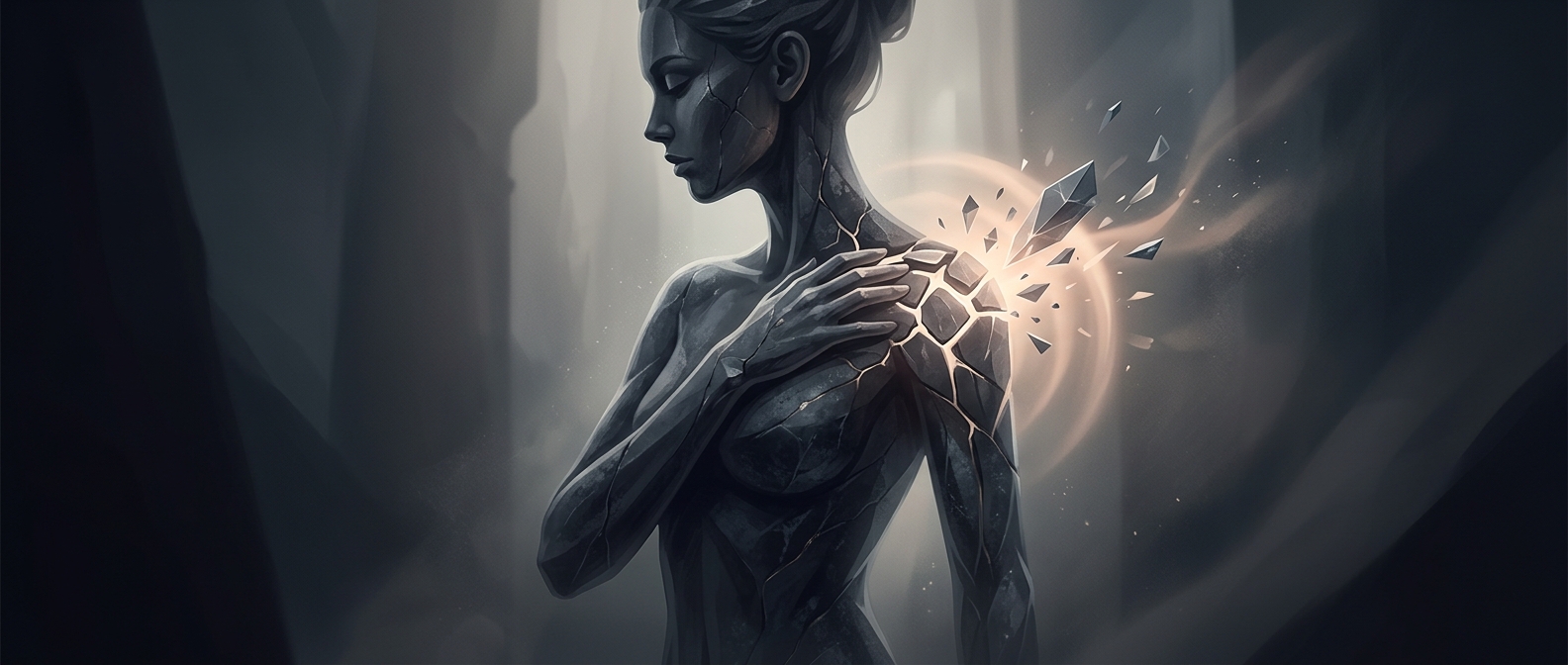
Because it bridges a mobile shoulder and the chest, the clavicle can be exposed to force during a fall onto the shoulder or an outstretched hand. Its role is therefore a tradeoff: it must be sturdy enough to support the arm, yet part of a joint system flexible enough to move. A sideways-running bone, in other words, helps make a wide-reaching arm possible.