Why the Lowest Ribs Stop Short
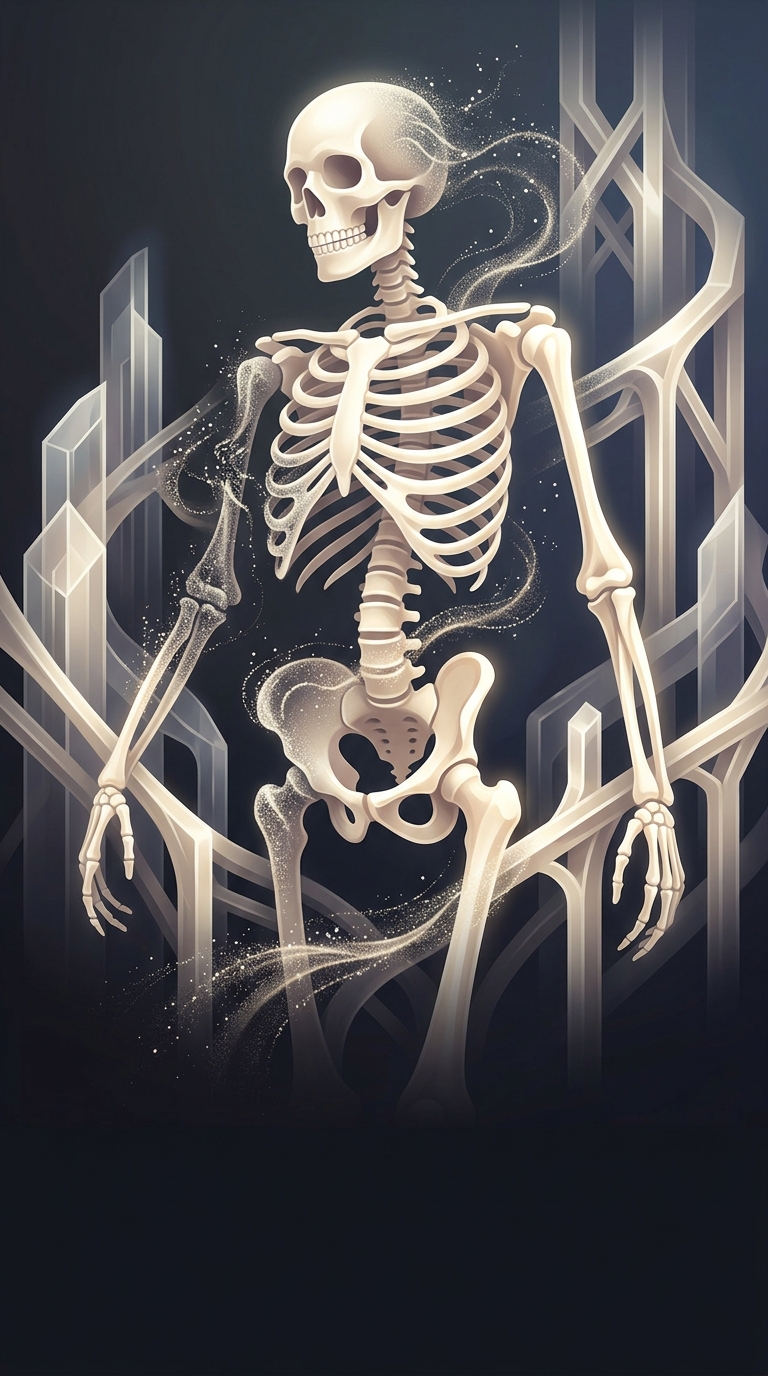
The breastbone, or sternum, is the flat bone at the center of the chest. The upper ribs connect to it through strips of cartilage, giving the front of the rib cage a firm but slightly flexible framework. The two lowest pairs take a different route: they attach to the spine at the back, curve around the sides, and end in muscle rather than joining the sternum.
These are called floating ribs—a name for their lack of a front attachment, not a sign that they move freely or hang loose. Muscles and connective tissue hold their front ends in place.
A Rib Cage Built to Move
Breathing depends on the chest changing shape. When the diaphragm contracts, it moves downward, while muscles between the ribs help lift and expand the rib cage. The ribs’ curved, jointed construction lets the chest widen and narrow instead of acting like a rigid box. Because the lowest ribs are not tied to the sternum, their front ends have more room to move with the surrounding soft tissue as the torso bends and breathes.
That openness also means the lower ribs do not provide the same front shield as ribs connected to the breastbone. They still help protect organs beneath them, including parts of the kidneys, but the amount of protection depends on where the ribs sit and the direction of an impact.
What You Can Feel Along Your Sides
Following the bony edge of the rib cage toward the center, you reach cartilage and soft tissue rather than a continuous row of bone running to the sternum. That gap is part of the chest’s design: the ribs form a protective cage while leaving the lower trunk room to move.