How a premolar turns a bite into a chew
A premolar’s position matters as much as its shape. It sits behind the canine, where food first gets pulled and cut, and ahead of the molars, where it is ground down. As the jaw closes, the premolar’s raised points meet the opposing tooth’s grooves, helping break a piece into smaller, more manageable parts before it reaches the broad back teeth.
One tooth, several kinds of contact
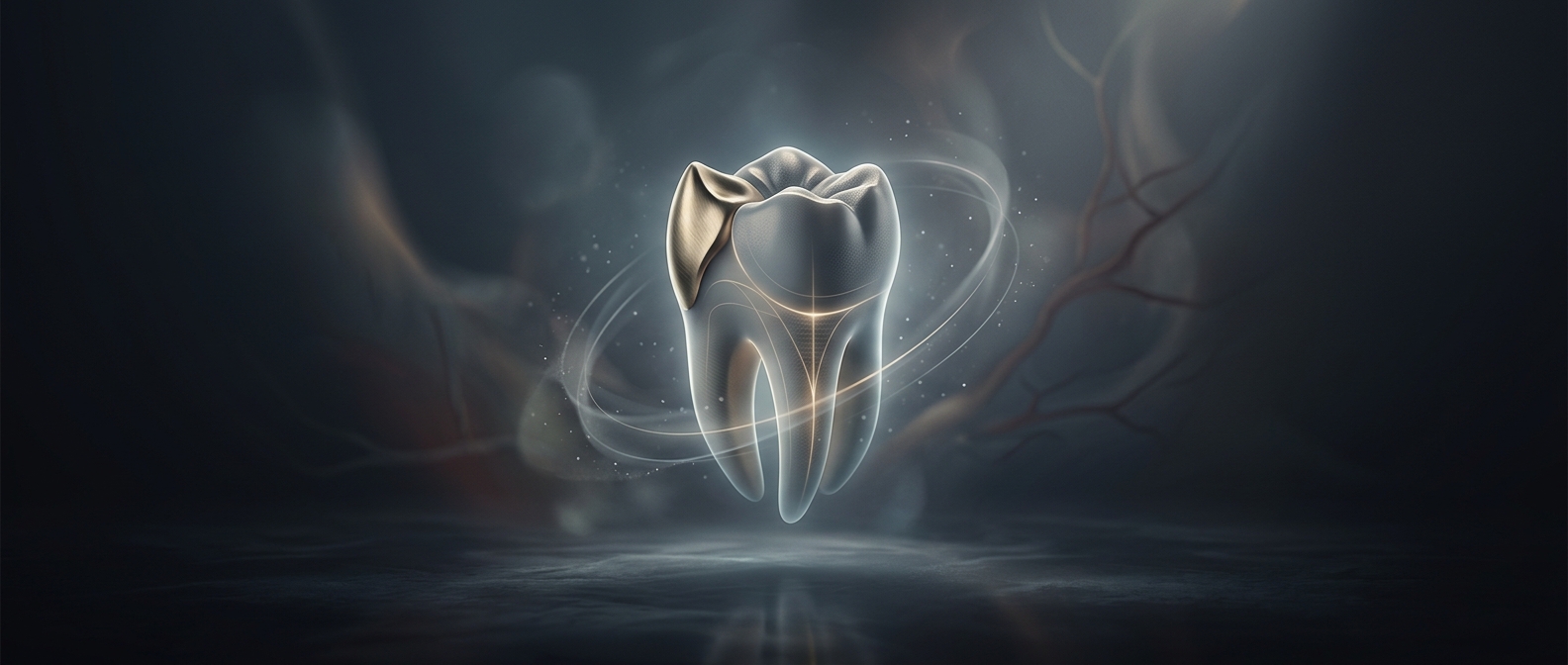
Premolars usually have one or two prominent raised points, called cusps. Their edges can grip and split food, while the broader chewing surface presses and crushes it. They are not miniature canines or small molars: their particular combination of cusps and surface area lets them handle varied contact as the jaw moves.
That makes them useful during the middle stages of chewing. A bite of firm food may need to be divided before it can be crushed; softer food may be compressed directly. Premolars help with both, reducing the need for each tooth to perform only one narrowly defined task.
A transition built into the dental arch
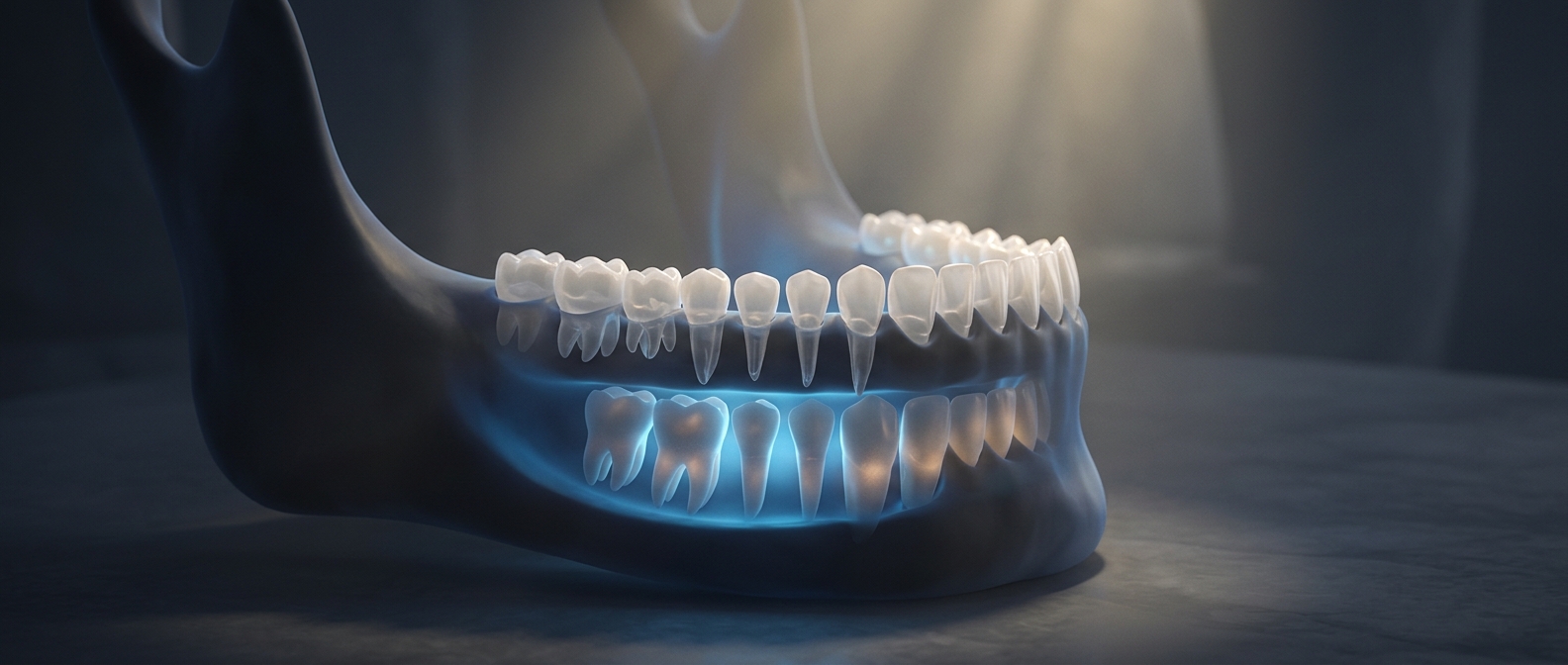
The teeth form a sequence of changing shapes, not a row of identical tools. Premolars bridge the sharper front teeth and the larger grinding teeth behind them, spreading the work of chewing across the arch. Their all-rounder role comes from being placed between two specialists—and shaped to pass food from one kind of work to the next.