How the Cecum Fits Into the Intestinal Route
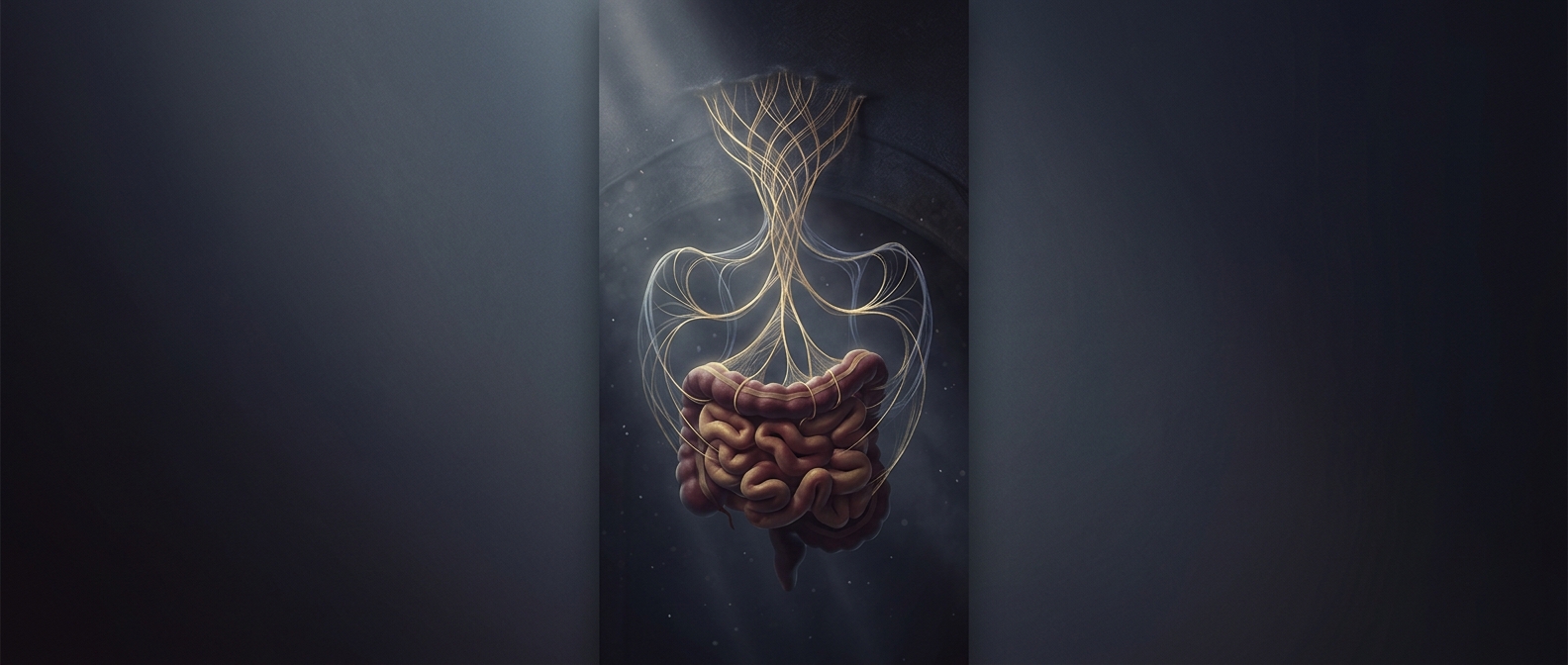
The small intestine empties through an opening in the cecum, the first section of the large intestine. A ring of muscle around that opening—the ileocecal valve—helps regulate the passage of material and limits backward flow. Once contents enter the colon, the body continues reclaiming water and salts, while gut microbes act on some of the material that remains.
The cecum’s position makes it a side pocket off the main route rather than a separate exit. Its small size in humans reflects a broader digestive arrangement: unlike animals that rely heavily on a large fermentation chamber to break down plant fiber, people do most digestion and nutrient absorption before material reaches the large intestine.
The Appendix’s Neighbor
The appendix is a narrow tube attached to the cecum. Its proximity can make it seem like part of the intestinal passage, but it is not a channel that food normally travels through. The cecum itself is the entry point to the colon; the appendix branches from it.
That layout matters clinically. Inflammation of the appendix can cause appendicitis, while the cecum remains part of the ordinary route through the gut. The distinction is easy to picture: material passes into the cecum and onward, while the appendix is a small branch beside that traffic.