Why astrologers read a square as friction
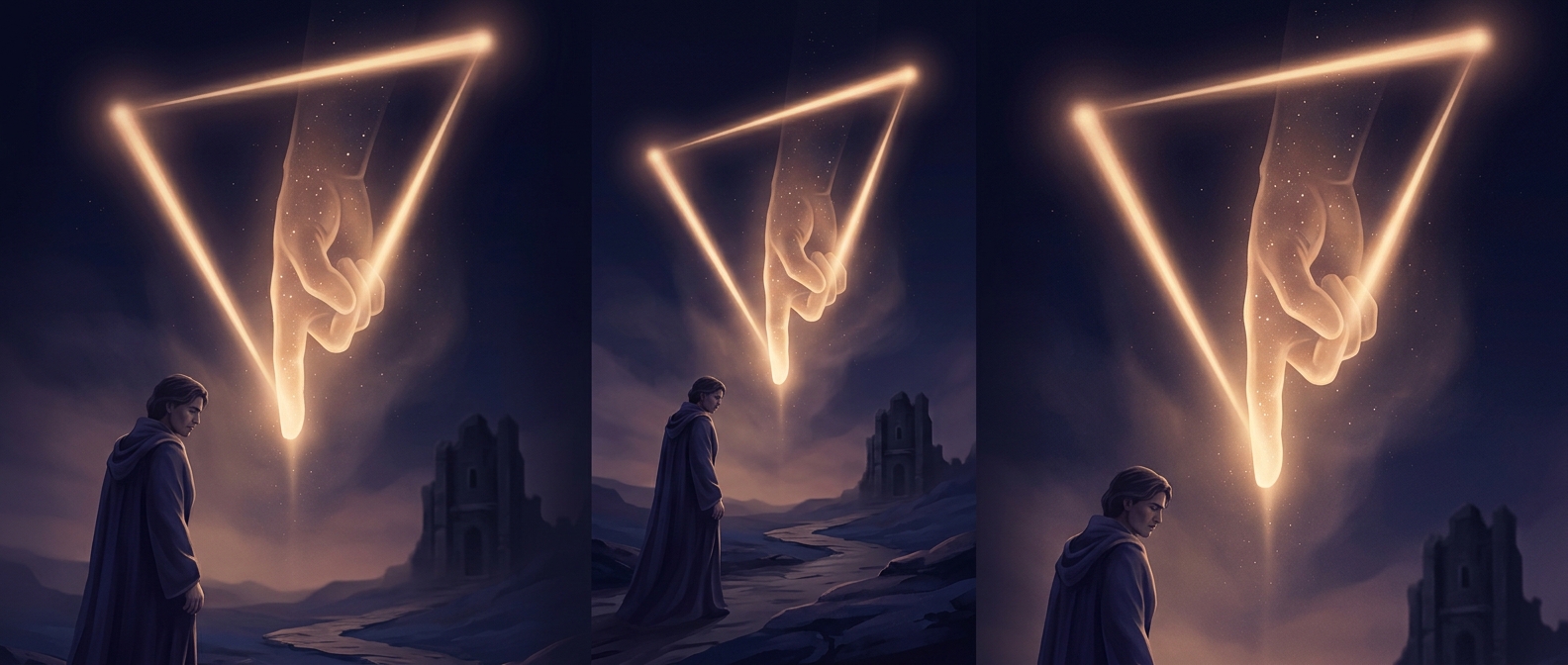
An astrological chart places the Sun, Moon, and planets around a circle divided into zodiac signs. A square is an angle of about 90 degrees between two chart points. In traditional interpretation, that geometry suggests neither easy agreement nor simple separation: the two parts of a person’s life keep demanding attention at the same time.
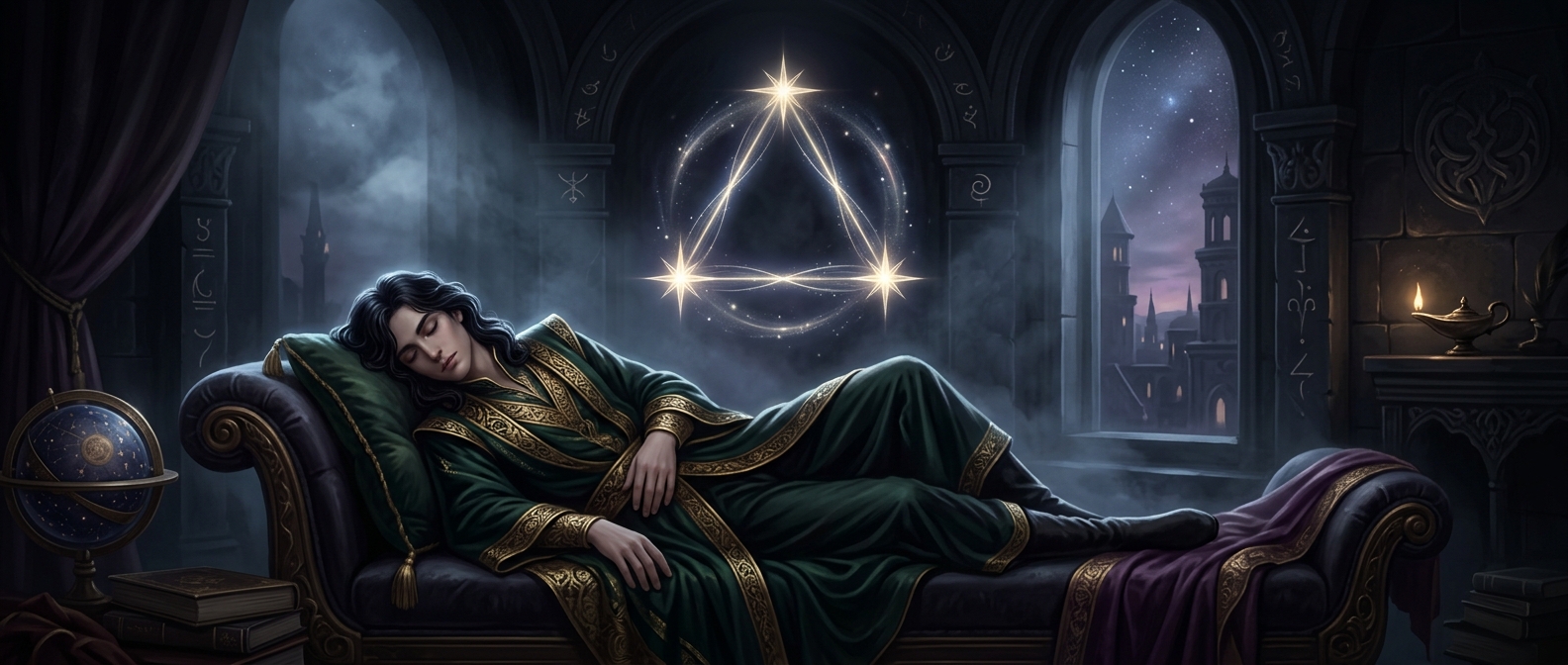
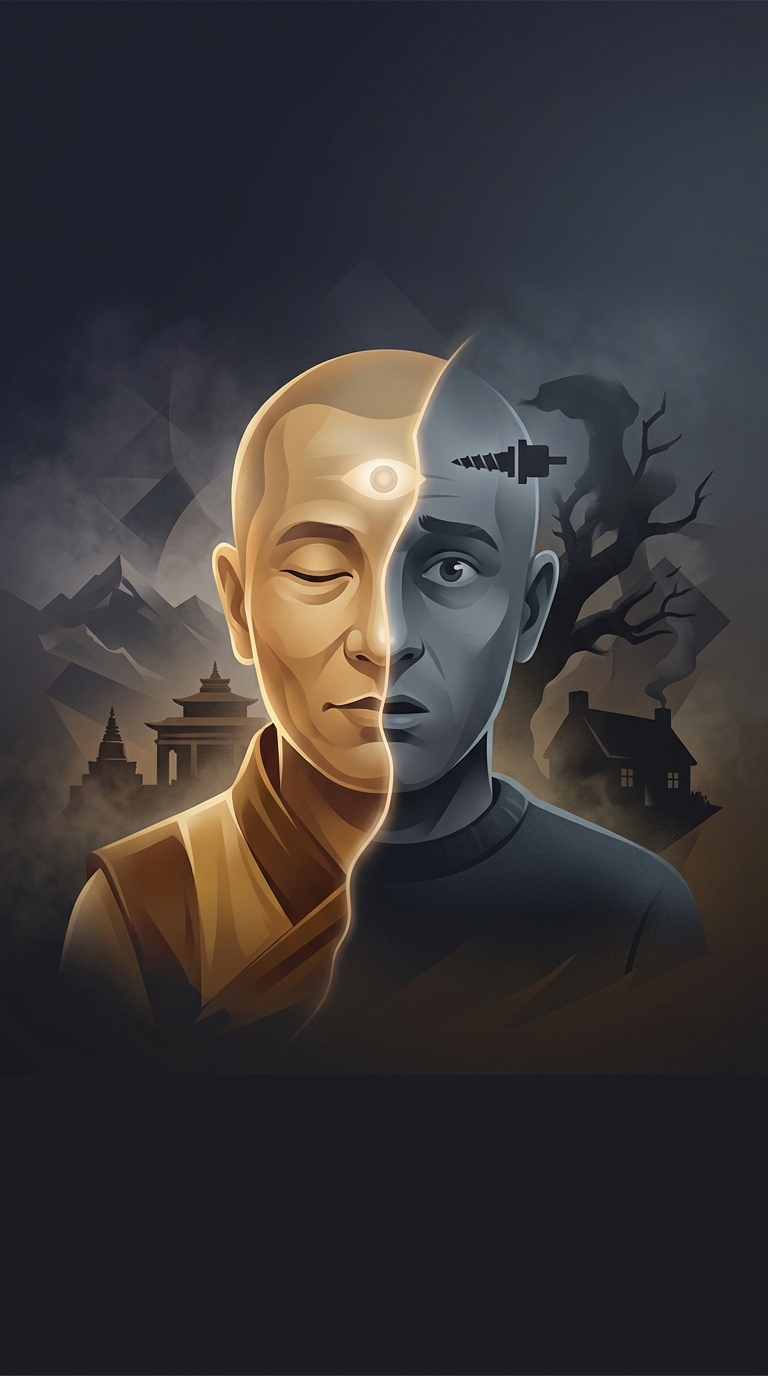
For a Sun–Moon square, astrologers might describe a mismatch between the identity a person is trying to express and the emotional needs that shape their reactions. The image is not necessarily a nonstop inner argument. It is a way of describing recurring choices—for instance, wanting independence while also wanting reassurance—and the effort of responding to both.
Tension as a prompt, not a verdict
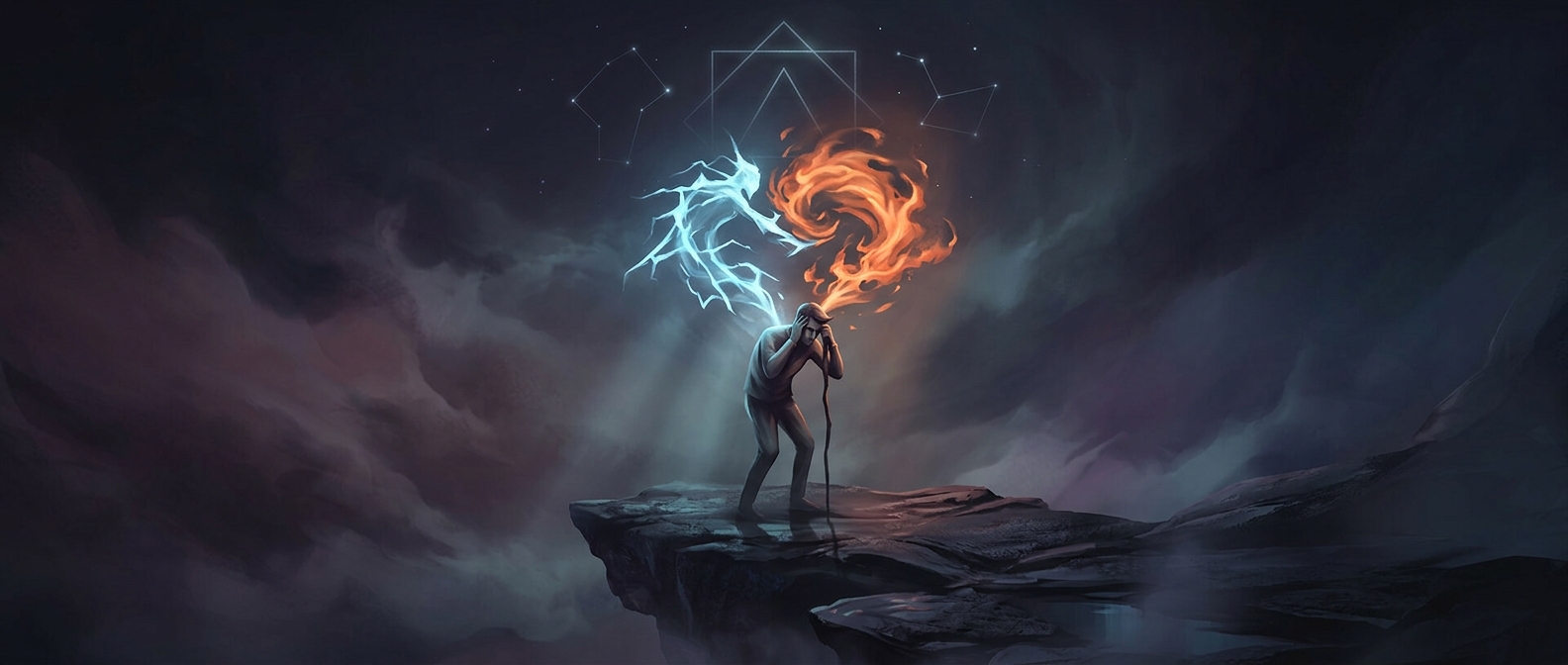
Astrologers often treat squares as challenging because their symbolism points toward pressure that calls for action. Where a harmonious aspect is associated with ease, a square is said to make a conflict harder to ignore. Its proposed “growth” comes from learning how to work with competing impulses rather than letting one automatically overrule the other.
That interpretation belongs to astrology’s symbolic system, not to a psychological diagnosis or a measured prediction. A chart can offer someone a vocabulary for reflecting on tensions they recognize, but the square itself does not establish what they feel or how they will behave. The memorable idea is less that a person is doomed to battle themselves than that, in this tradition, friction can be a cue to make a conscious choice.