A publisher’s decision is a bet, not a verdict
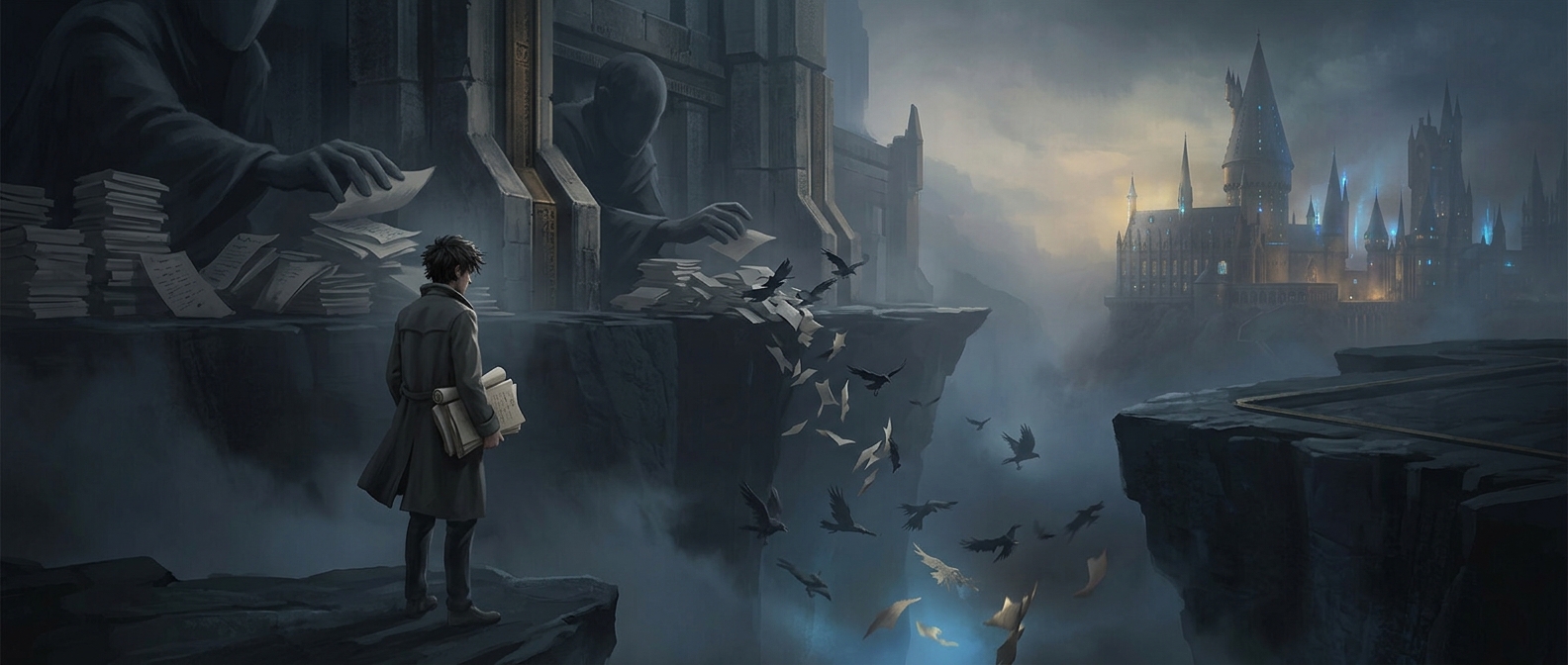
A manuscript can be turned down for reasons that have little to do with whether readers will eventually love it. Editors must judge a work before its audience exists: they weigh its voice and potential against the cost of publishing it, the bookseller space it may need, and whether they know how to reach its likely readers. A rejection records one company’s decision under those conditions—not a reliable forecast of a book’s future.
The opening that changed Harry’s prospects
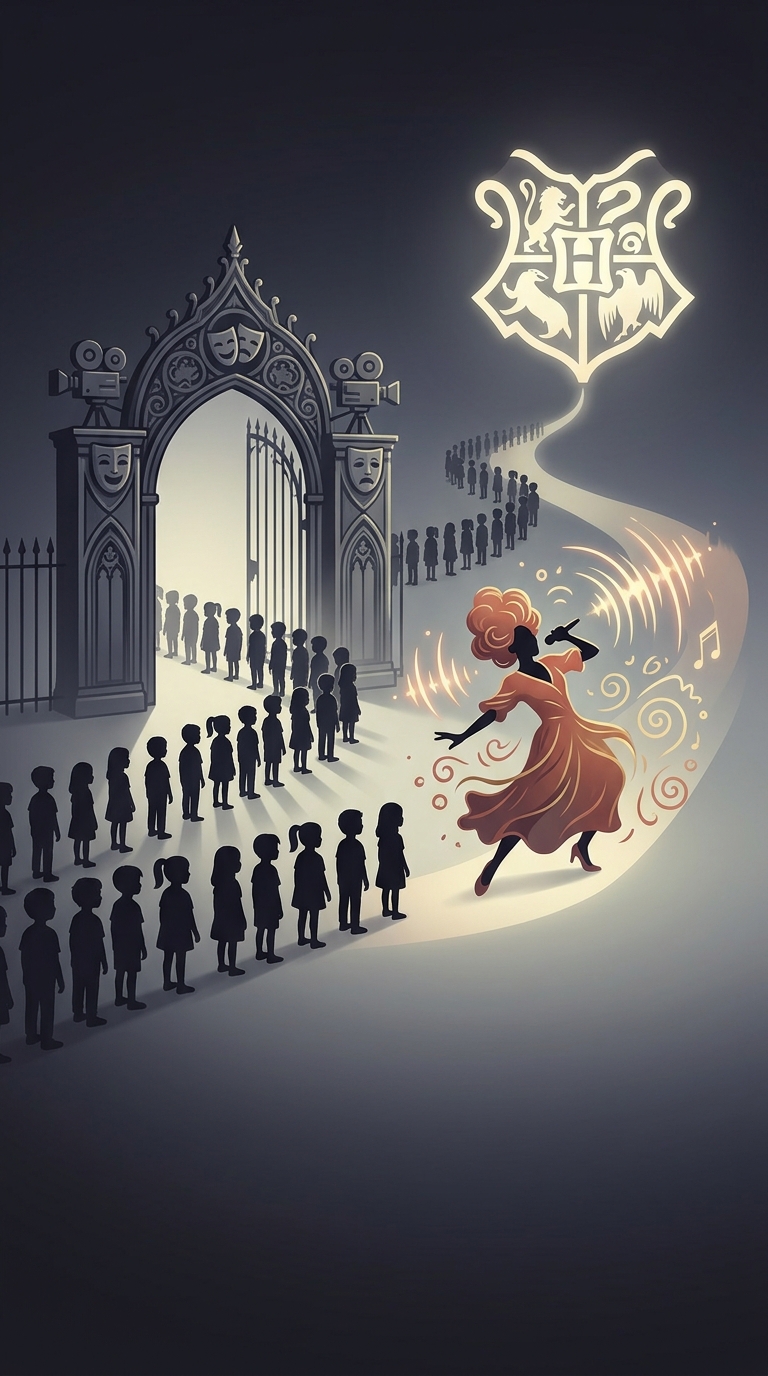
J.K. Rowling’s manuscript for Harry Potter and the Philosopher’s Stone was passed over by several publishers before Bloomsbury accepted it. The important change was not that the story suddenly became different. One editor and publisher chose to take a chance on it and bring it to readers. The first book appeared in Britain in 1997.
Readers built the phenomenon over time
The book’s success did not have to be obvious at the moment of acceptance. Each new installment gave readers a reason to return, while word of mouth helped the audience grow beyond the children for whom the series was initially marketed. Later books, films, and a broader commercial world followed that readership rather than serving as proof that the original decision had been easy to predict.
That is the useful lesson in the story: publishing depends on selection, but selection is made with incomplete information. A book can be rejected by several gatekeepers and still find the one willing to give readers the chance to decide for themselves.