Why a Fire Can Seem to Leave a Vision
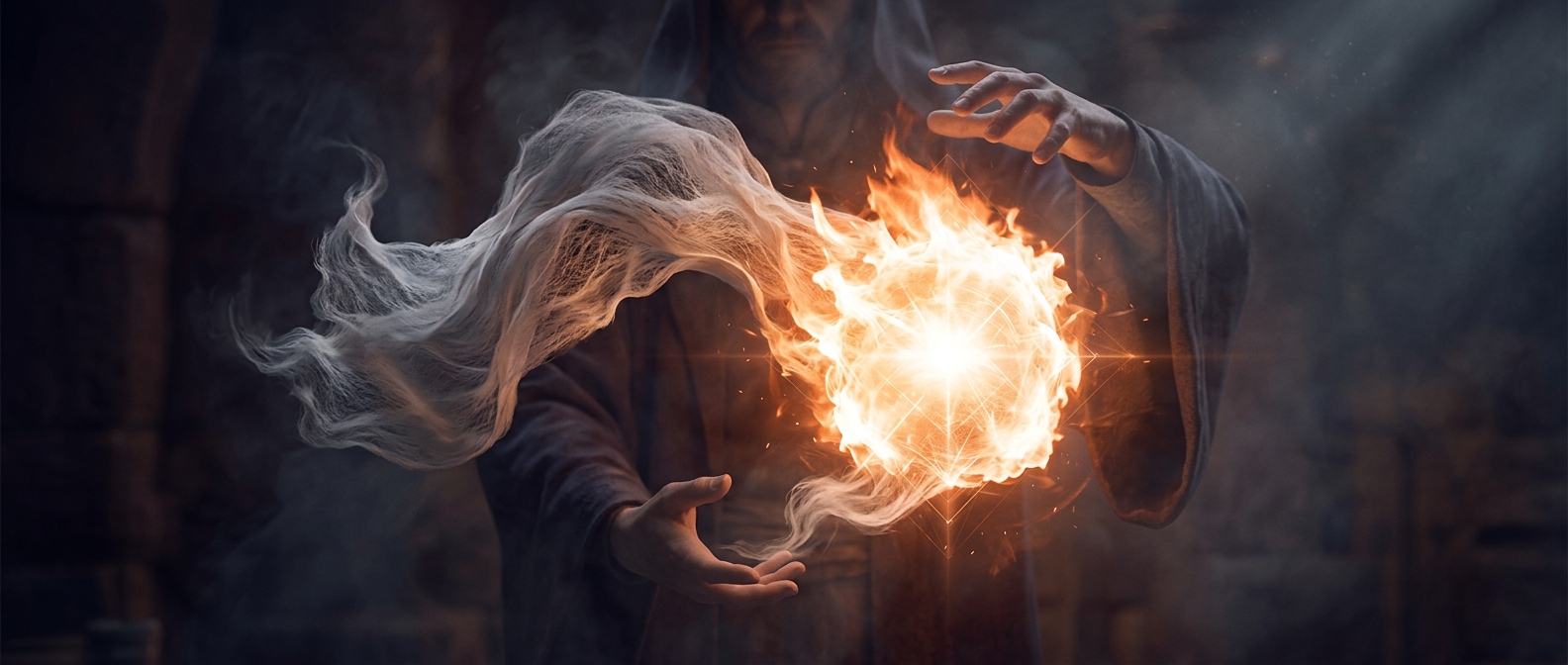
A bright flame does not need to create an image in the mind to make someone see one afterward. Stare at a strong light source, and the visual system can temporarily adapt unevenly. When the gaze shifts to a darker surface, a lingering afterimage may appear: a patch or shape that seems to float in the field of view even though the fire is gone.
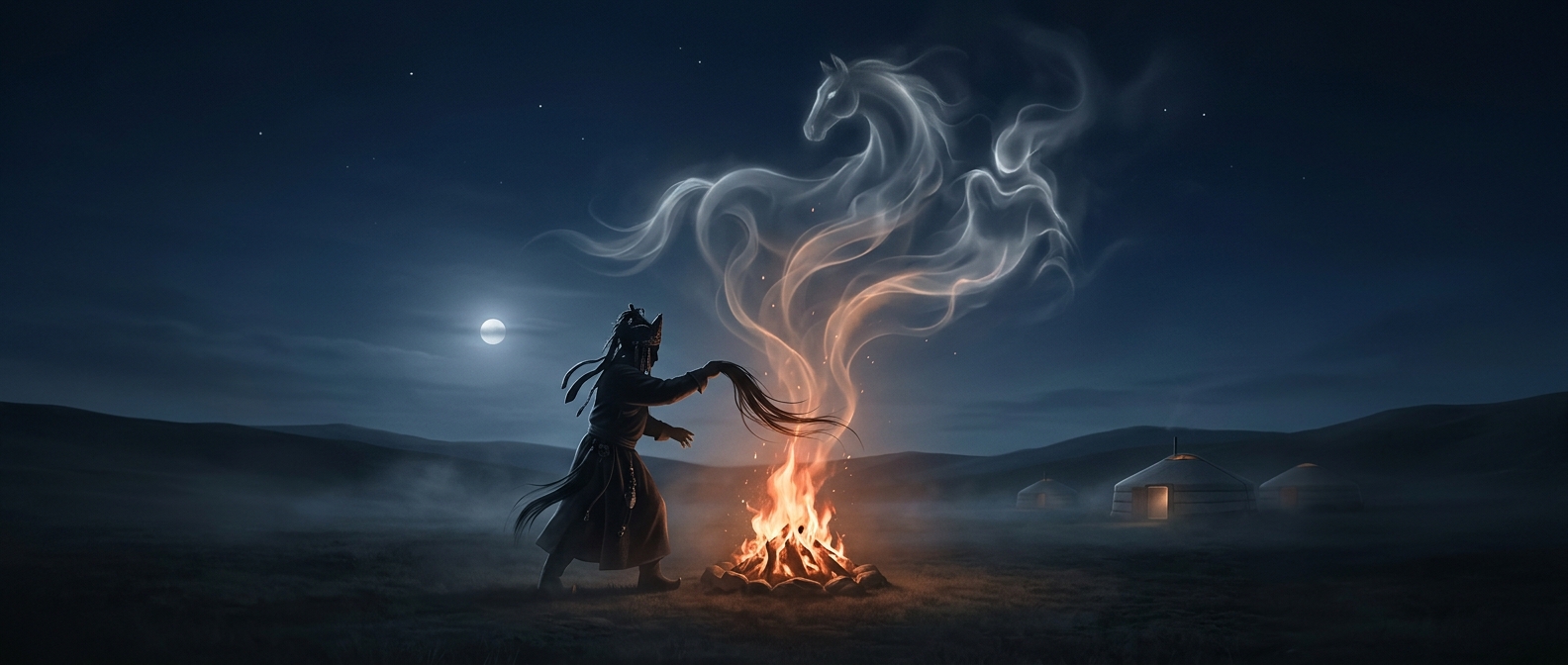
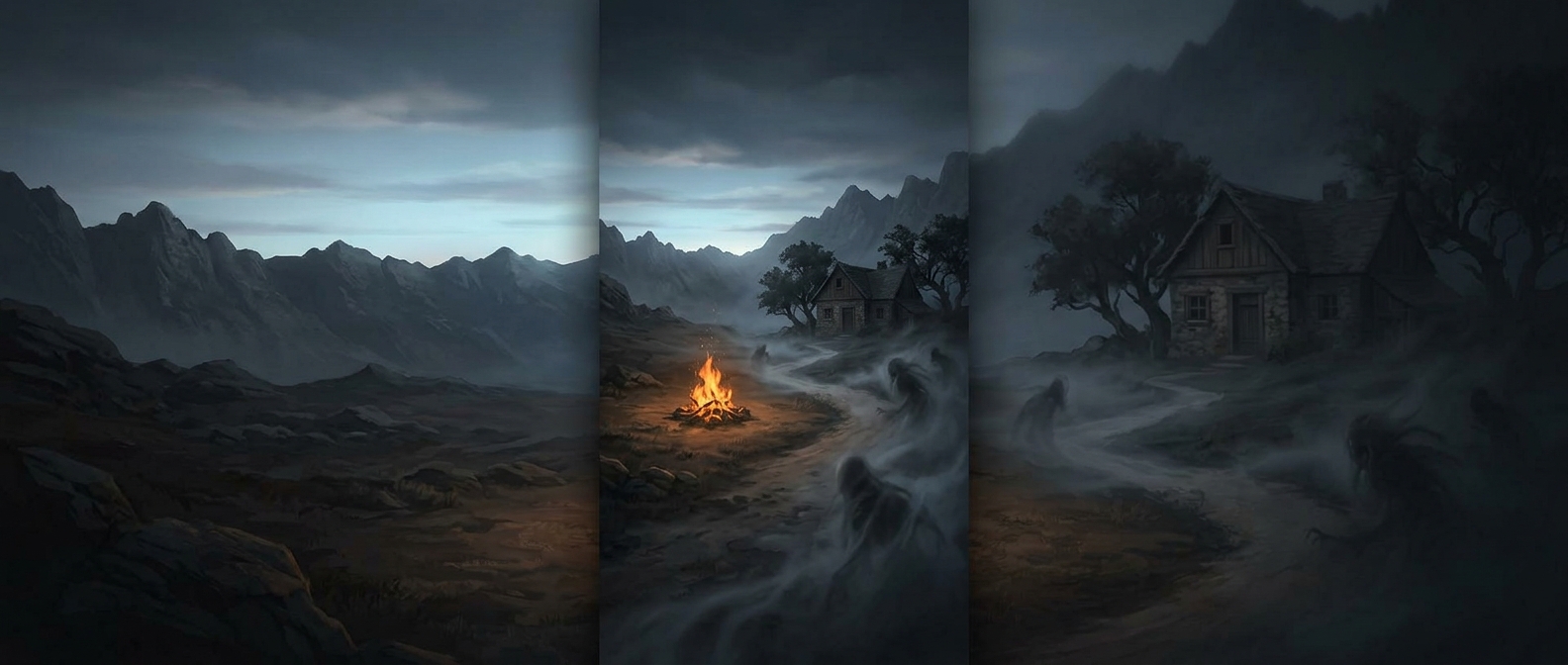
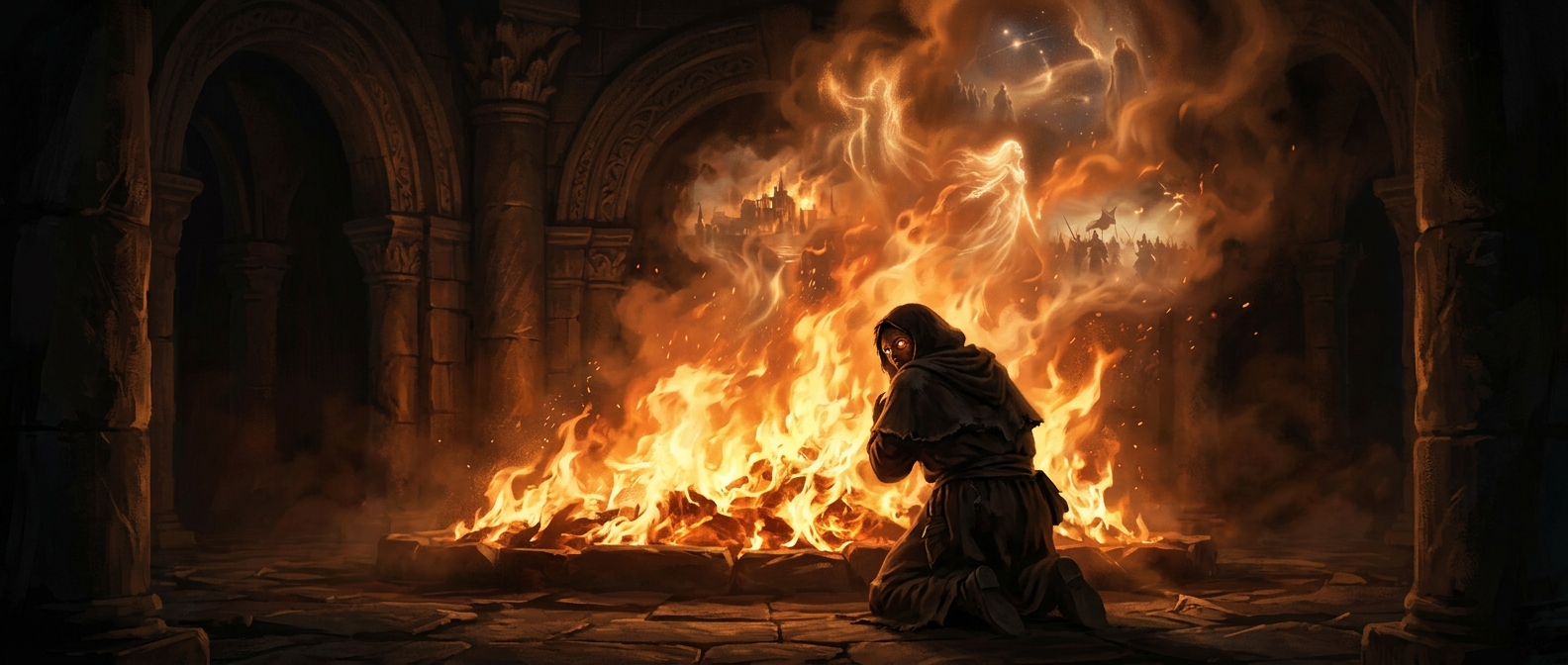
Flames make this effect especially suggestive. Their shifting edges and bright-dark contrast give the eyes no stable pattern to settle on, while smoke, dim surroundings, fatigue, and expectation can all influence what a person thinks they see. A vague afterimage can therefore be experienced as a meaningful figure or sign, particularly in a ritual setting where a vision is expected.
The Difference Between an Afterimage and an Injury
Temporary afterimages usually fade as the visual system readjusts. Retinal damage is different: intense light can injure the light-sensitive tissue at the back of the eye, potentially causing lasting blind spots or distorted vision. A roaring fire is not a reliable way to produce a particular vision, and deliberately staring into it risks harm rather than insight.
The physical effect helps explain how an unusual visual experience could arise; it cannot establish what a historical observer saw or why they interpreted it as prophecy. The same uncertain shapes that made fire compelling as a focus for divination could look like signs to one person and random flicker to another.