Why the bottle can pass empty
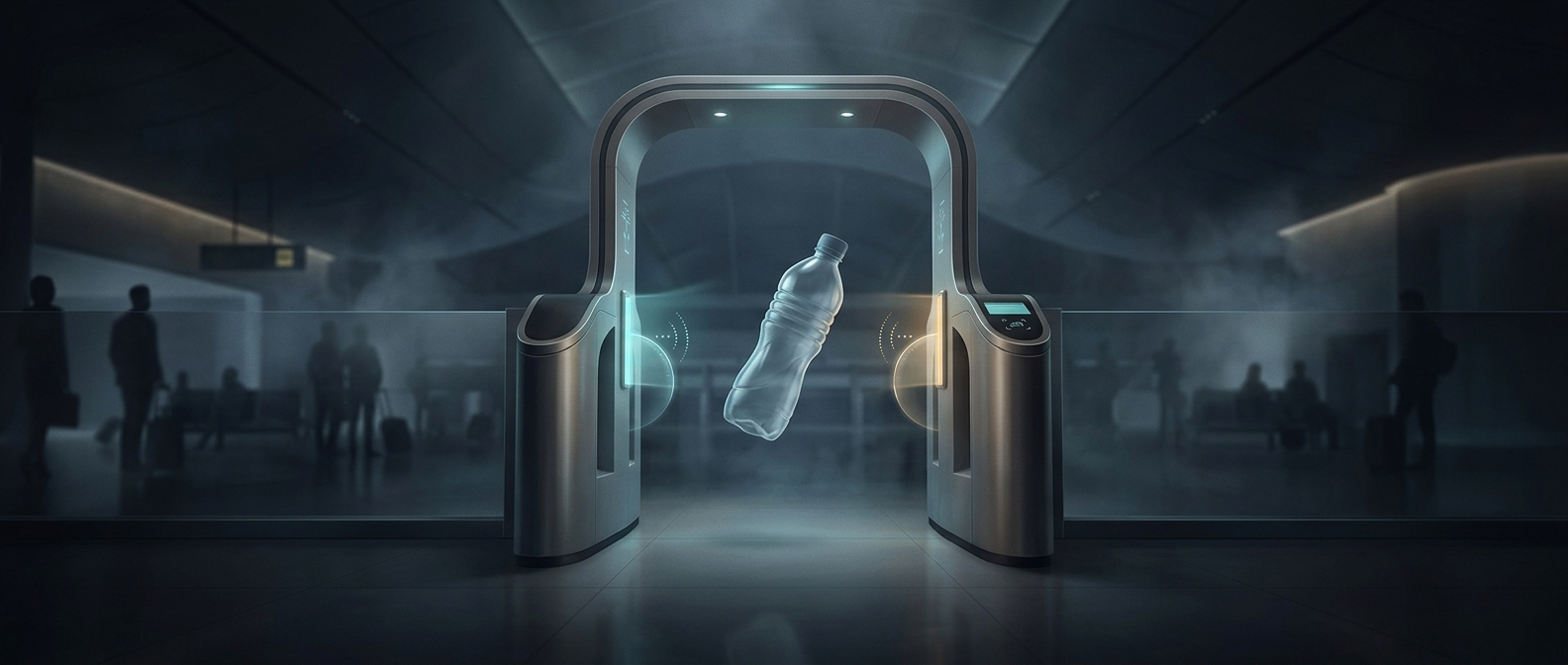
Airport screening focuses on what a container holds, not simply whether it is a bottle. Liquid limits apply to liquids carried through the checkpoint; an empty container has no liquid to inspect or restrict. It still goes through the usual screening, and security staff can examine an item if it raises a concern, but a reusable bottle is not automatically barred just because it could hold water later.
That distinction turns the checkpoint into a useful dividing line. Before it, a filled bottle may be subject to liquid rules. After it, travelers can use water fountains or refill stations where available, without carrying a full drink through screening.
A small workaround for airport prices
The savings come from avoiding the airport’s most expensive part of the transaction: buying packaged water after security. Travelers bring the durable container from home and use the airport’s water supply instead. The bottle also avoids the waste of buying a disposable drink and throwing away its packaging.
The practical tradeoff is access. Refill points are not equally convenient in every terminal, so a bottle is most useful when there is a fountain or station near the gate. Still, an empty bottle takes up little space—and once past the checkpoint, it can become a way to carry water without paying for another sealed bottle.