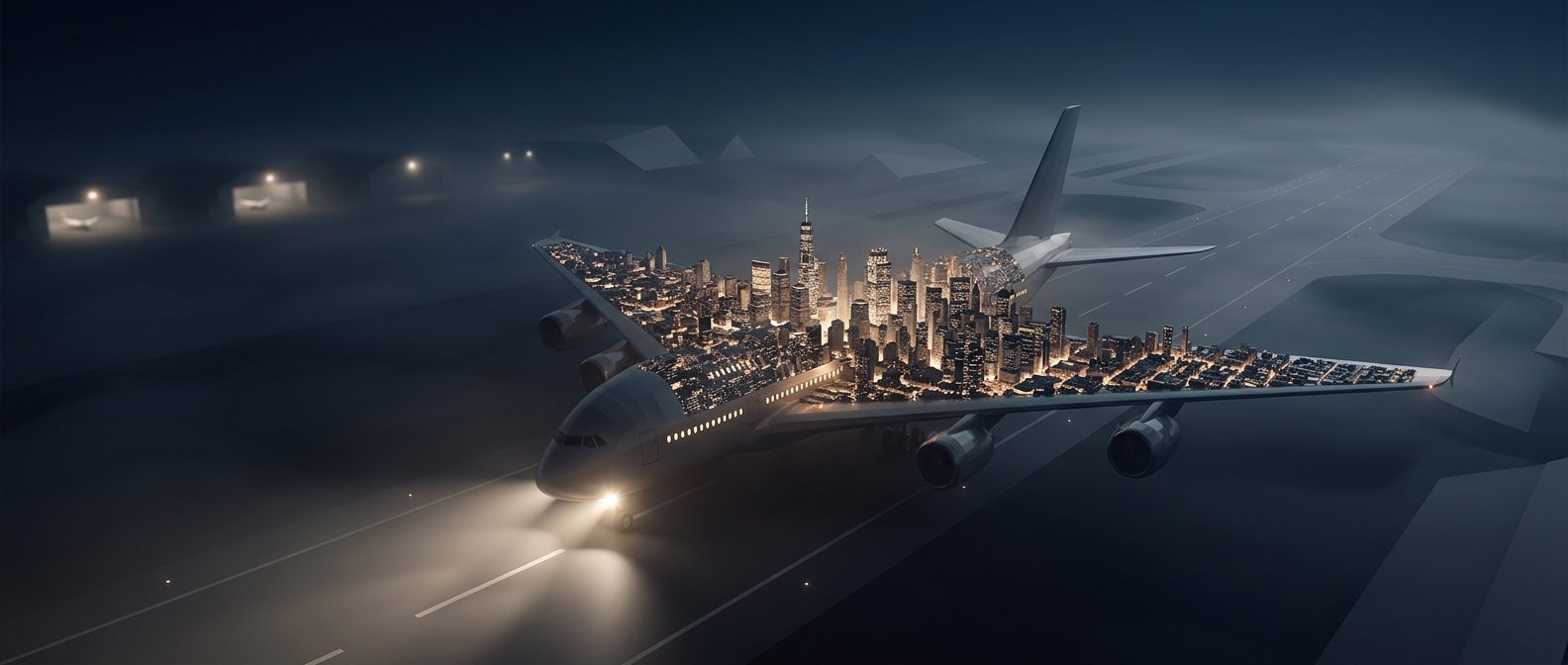
Why an airport needs so much room
An airport is more than a set of runways. Aircraft need long, unobstructed strips for takeoff and landing, plus taxiways that let them move between runways and terminals without crossing active flight paths unnecessarily. The ground layout must also leave space between operations so planes can arrive, depart, and maneuver safely.
Denver’s elevation adds another engineering consideration. At high altitude, thinner air gives wings less lift and engines less power than they get at sea level. On warm days, that can mean an aircraft needs more runway to take off with a given load. Runway length is only one part of the land requirement, but it helps explain why airport planners cannot treat every open patch as interchangeable space.
Open land is part of the operating plan
The broad gaps around runways can serve as buffers from nearby development and help keep buildings or other obstacles out of aircraft approach and departure paths. Keeping that land under airport control also gives planners options: they can add or rearrange facilities as traffic and operating needs change, rather than squeezing every future project beside the existing ones.
That makes the acreage function less like unused real estate and more like a reserve built into the design. At a major airport, empty space can be working infrastructure—protecting safe movement today while preserving room for the next change.