How astrologers turned the sky into a rain forecast
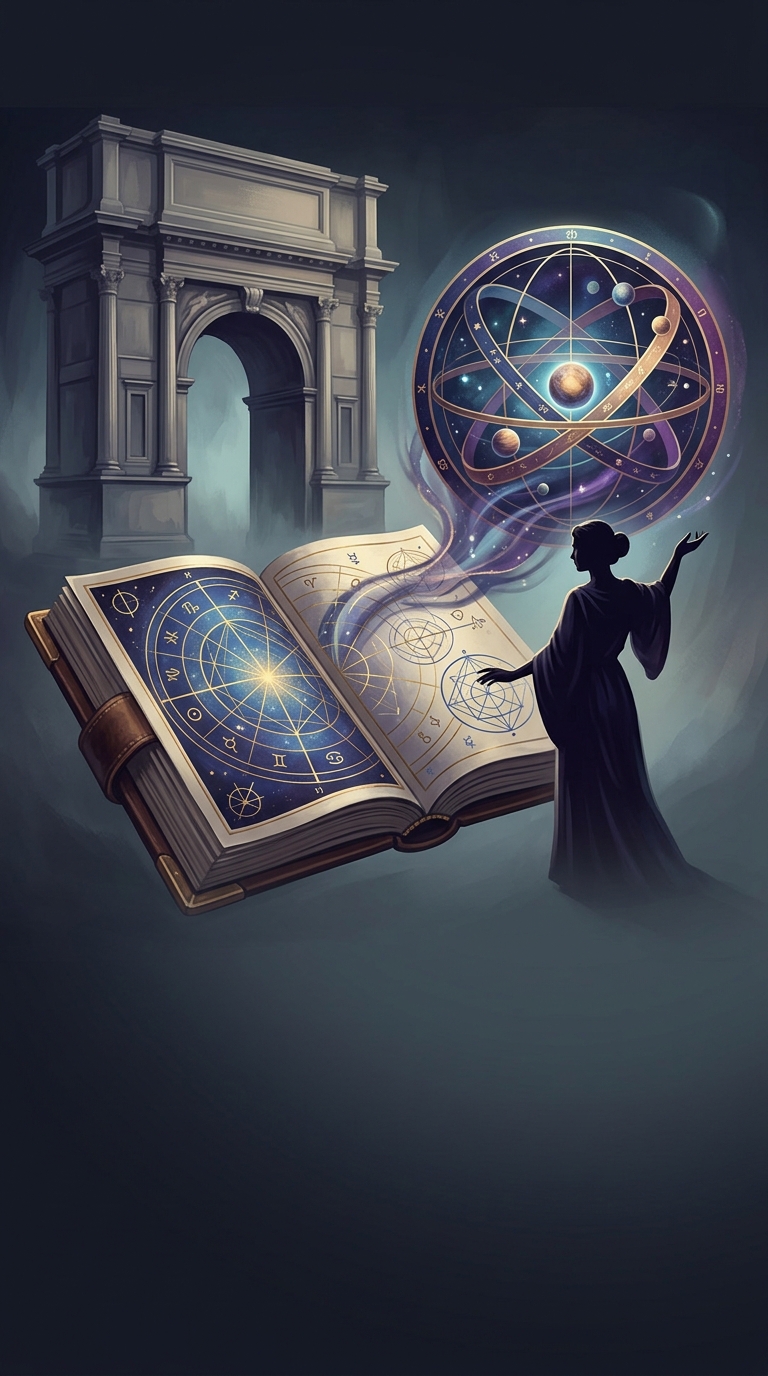
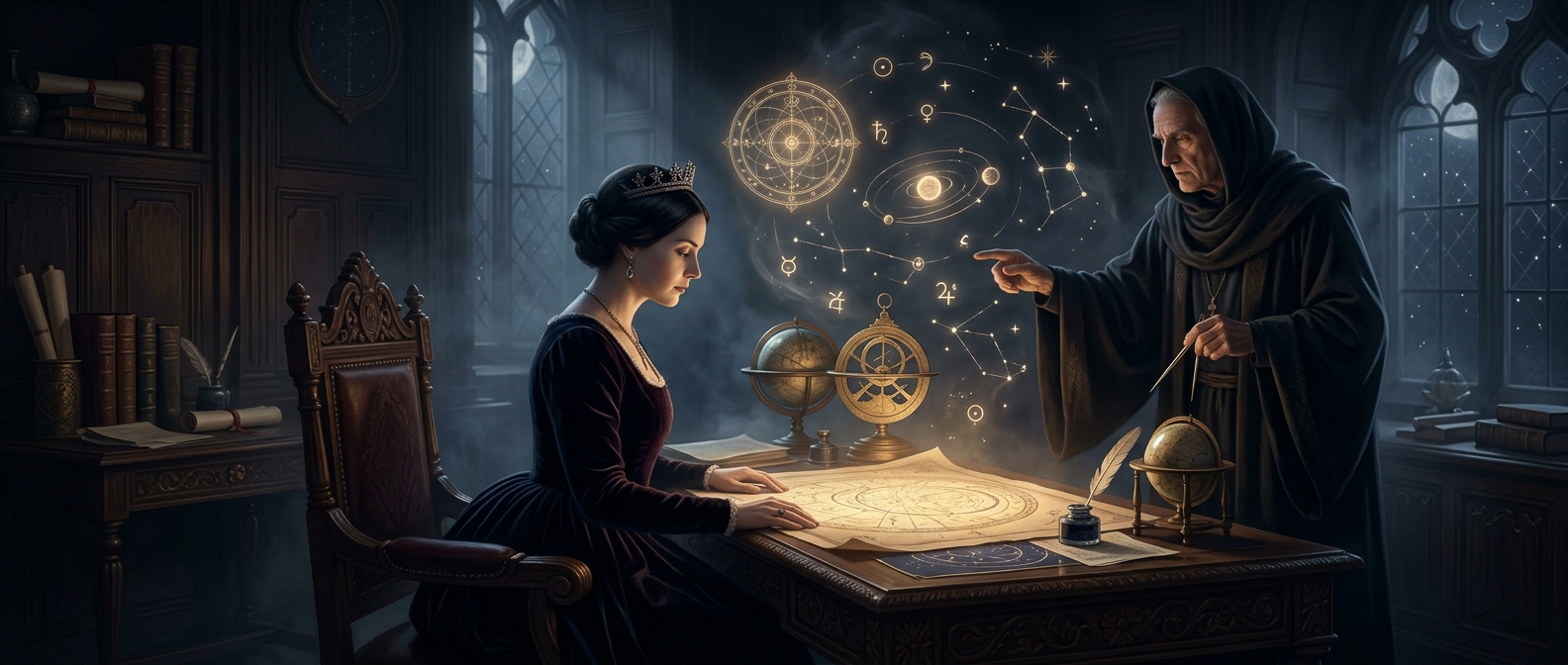
In astrological weather prediction, a chart was a diagram of where the Sun, Moon, and planets appeared in the sky at a chosen time and place. Practitioners interpreted that arrangement as a pattern of signs: the chart was not simply a picture of clouds, but a symbolic system for reading what the sky might bring.
The calculation began with a question—whether rain was coming—and a moment to cast the chart. The practitioner then considered several features together, such as the positions of celestial bodies and their relationships to one another. In astrological traditions, signs were also associated with qualities such as the elements. A chart’s meaning came from combining these clues, rather than treating any single position as a direct forecast.
Why the answer took so much work
A chart required converting a particular time and place into a map of the heavens, then applying rules for interpreting its parts. Those steps made a yes-or-no question depend on a layered reading. The complexity was part of the method: practitioners believed that several celestial indications, considered together, could offer a more specific judgment than a simple omen.
This was a form of divination, not meteorology. Modern weather forecasting relies on observations and physical models of the atmosphere; astrological charts do not provide a scientifically reliable way to predict rainfall. Still, the practice shows how people once tried to make uncertain weather legible: instead of measuring the atmosphere directly, they treated the heavens as a coded guide to conditions on the ground.